


According to EU NEIGHBOURS EAST survey, 71% of respondents support Georgia's accession to the EU, 79% believe that EU membership will bring more advantages, and 51% believe that the EU has hidden interests
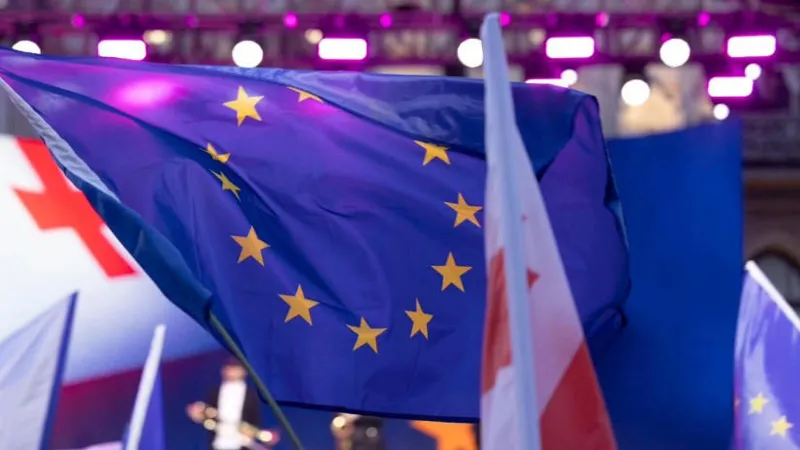
According to the results of the 2026 annual public opinion survey conducted within the framework of the EU program EU NEIGHBOURS EAST, a substantial majority of Georgians (71%) continue to support Georgia’s accession to the European Union, according to the 2026 annual survey of opinion in Georgia, while an even greater number (79%) believe EU membership would bring more advantages than disadvantages.
This latest survey was conducted in January-February 2026 and involved face-to-face interviews with a representative sample of just over 1,000 people across the country. The opinion polls have been carried out annually by the EUNEIGHBOURS east Programme in Georgia and the five other countries of the Eastern Partnership since 2016.
“The EU continues to be the most trusted international actor among Georgians, trusted by 67% of respondents, though the number of those who think their country has good relations with the EU is down to 60% this year (from 63% in 2025).
While most people support EU accession, 49% believe Georgia is not moving in the right direction towards membership, and 56% say recent CSO and media laws negatively affect accession. At the same time, 87% agree that Georgia needs to do more to advance on the European path.
Awareness of EU financial support to Georgia remains high at 70%, with almost half of those asked (48%) saying it was effective. Respondents felt the EU should play a greater role in education and lifelong learning (38%), economic development and trade (34%), and health (33%).
While pro-EU benefit narratives remain strong (76% see opportunities and 75% say membership would strengthen security), sizeable shares express concerns (43% say the EU imposes values and 51% believe it has hidden interests).
The survey also highlighted a decline in awareness about the EU, with only 40% reporting recent exposure to EU-related information (14 percentage points down from 2025), while respondents reported high concern about disinformation, with 86% seeing it as a national security threat”, reads the report.










