Kakha Gogolashvili: If Georgia refuses to cooperate, members of the Parliamentary Assembly of the Council of Europe may demand that the country leave the Council of Europe

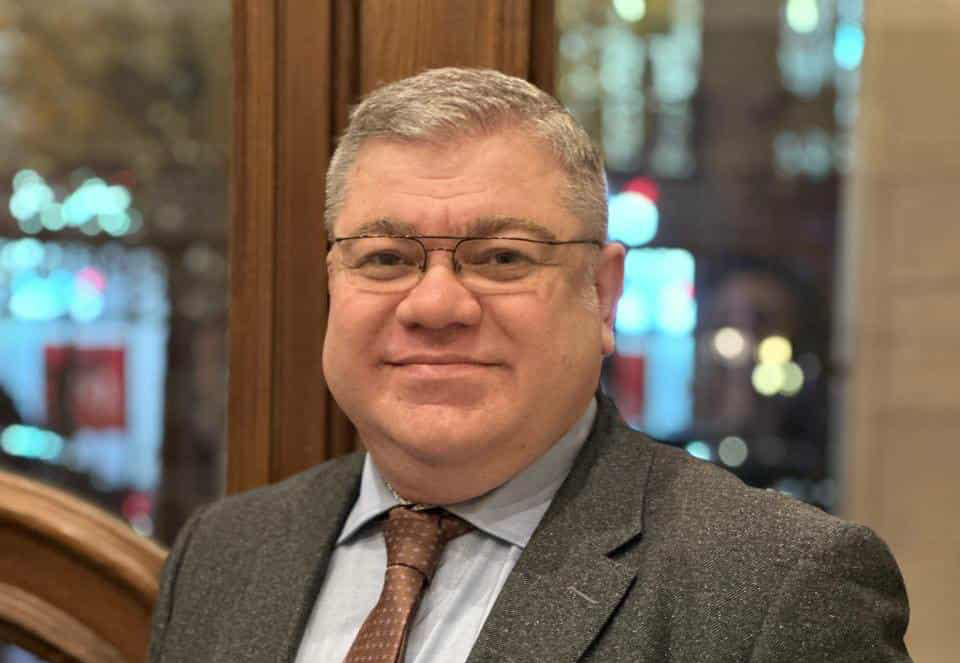
"If a country refuses to cooperate, members of the Parliamentary Assembly of the Council of Europe may demand that the country leaves the Council of Europe," said Kaha Gogolashvili, director of the European Studies Center and researcher at the Rondeli Foundation. He was commenting on the cessation of the Georgian Dream delegation's participation in the Parliamentary Assembly of the Council of Europe.
As Kaha Gogolashvili mentioned in an interview on PalitraNews' show "Resume," at the first stage, PACE members may demand that Georgia be deprived of its voting rights.
"Refusing to participate in the Parliamentary Assembly of the Council of Europe is absolute nonsense. Being a member of the Council of Europe means you must be part of at least two institutions. One is the Committee of Ministers, where, as a rule, foreign ministers gather. The other is the Parliamentary Assembly. You can miss the Committee of Ministers; nothing happens there, decisions will be made with or without your participation. However, the Parliamentary Assembly is where debates and serious work take place: evaluating the implementation of conventions, discussions about countries, what violations they have, etc.
It monitors the protection of human rights across Europe, as well as democracy. All of this is necessary—why be a member of the Council of Europe at all? If a country refuses to cooperate, for example, by failing to implement PACE resolutions or its recommendations systematically, or not participating in PACE’s work, this could lead to a resolution being introduced by PACE members demanding that the country lose its voting rights. This would be the first step, and later they could even demand that the country leaves the Council of Europe.
If a country doesn't cooperate within the Council of Europe, disregards its obligations, and doesn’t contribute itself, it could very well be forced to leave the Council of Europe," said Kaha Gogolashvili.