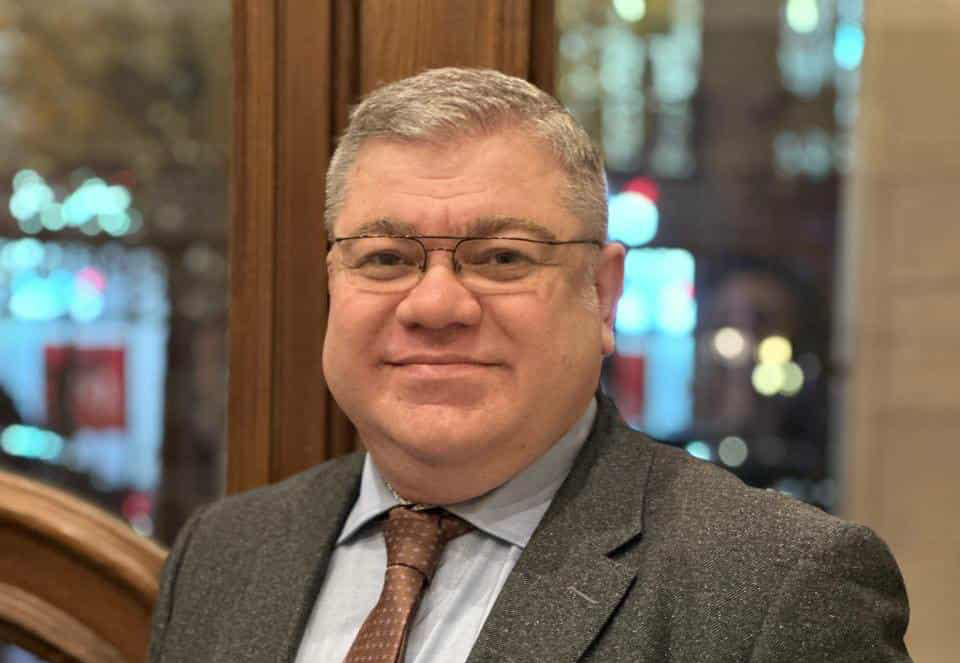
Rati Ionatamishvili on amendments to the "Broadcasting Law" – Georgia is a sovereign state, and its democratic institutions, including the media, should not be externally controlled!
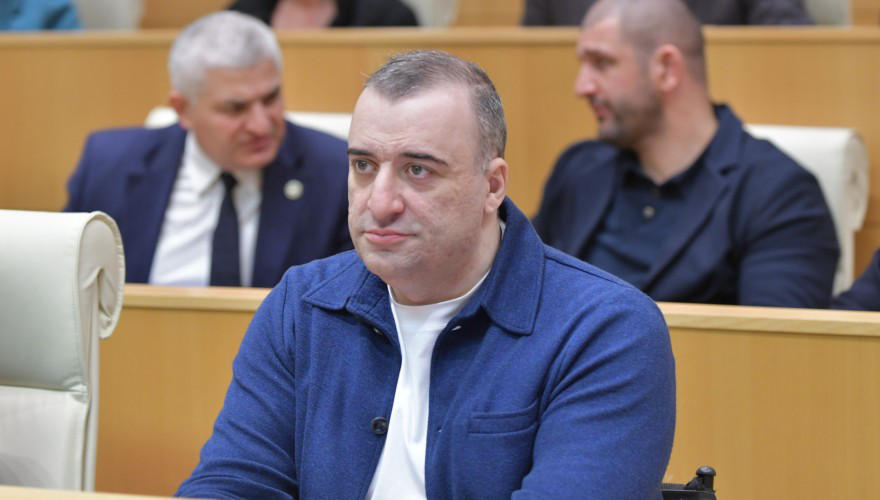
Amending the Broadcasting Law is essential for strengthening state sovereignty—Georgia is a sovereign state, and its democratic institutions, including the media, should not be externally controlled! This statement was made by the Chairman of the Human Rights Protection Committee, Rati Ionatamishvili, during a parliamentary plenary session discussing the planned amendments to the Broadcasting Law.
In its first reading, Parliament reviewed a bill that prohibits broadcasters from receiving direct or indirect funding from "foreign forces."
Ionatamishvili also stated that external funding of the media leads to censorship.
"Today, the media is the main source of public information. Its objectivity and independence are vital for the country’s political independence and stability.
When the media is controlled externally, its agenda, goals, and objectives change. Instead of serving the public and informing citizens, it serves the creation of a specific agenda dictated by its financiers, which, in most cases, does not align with national interests.
Recently, we witnessed developments in the U.S. regarding USAID. This organization funded more than 700 media outlets, 6,200 journalists, and over 300 media-related NGOs across 30 countries. According to Elon Musk, it became clear that media organizations and journalists funded by USAID were bound by a 'strategic silence policy.'
The definition of 'strategic silence policy' is particularly interesting—it involves deliberate restrictions on information, manipulation, avoidance of discussing certain issues, selectivity, and maintaining silence to achieve specific goals," Ionatamishvili stated during the plenary session.
The proposed amendments to the Broadcasting Law introduce regulations prohibiting broadcasters from receiving direct or indirect funding in exchange for placing social advertisements.
Broadcasters will also be banned from receiving direct or indirect funding—whether in cash or other material benefits—from foreign forces.
Additionally, foreign forces will be prohibited from purchasing services from broadcasters (except for commercial advertisements and product placements) and from directly or indirectly financing or co-financing program production or broadcasting.