Gia Khukhashvili on the Dunnigan-Bochorishvili meeting: Of course, the Americans would set conditions – They wouldn’t just say ‘let’s reconcile unconditionally.’ I don’t think this meeting will bring anything good for the Government
"The Americans have their own interests, and naturally, they will meet with the government—what else would they do? Why is the ambassador in Georgia? She will communicate with everyone. If someone doesn’t like this communication, they should blame themselves (I mean the opposition)," said political analyst Gia Khukhashvili, discussing the meeting between Foreign Minister Maka Bochorishvili and US Ambassador Robin Dunnigan.
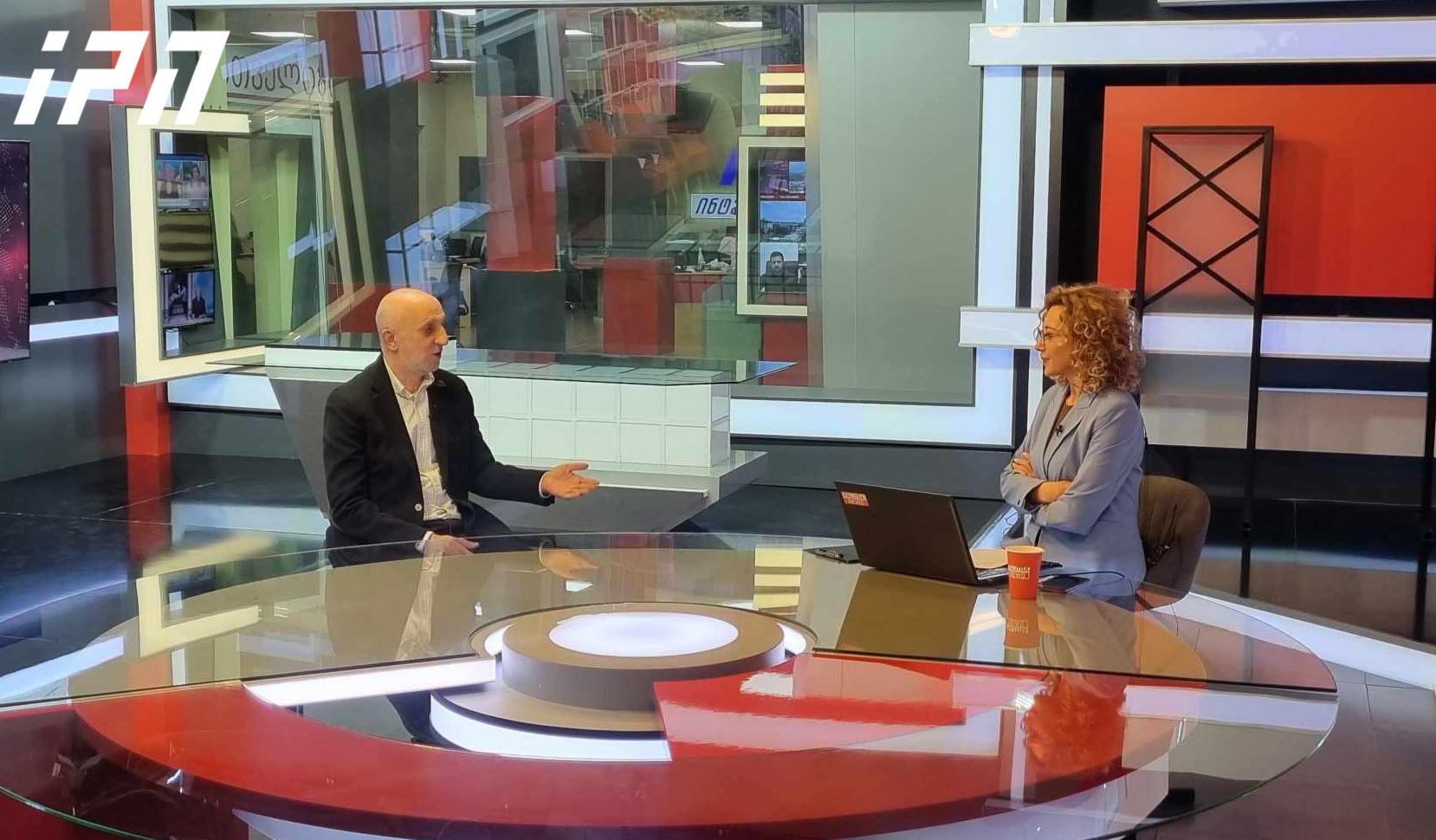
Speaking on Palitranews' 360 Degrees program, Khukhashvili suggested that the US ambassador may have set certain conditions for normalizing relations between the two countries.
Additionally, he speculated that the issue of political prisoners may have been discussed as the first step toward normalization.
"The meeting was likely a monologue. Dunnigan probably set certain conditions for normalizing relations. These conditions involve returning Georgia to its previous trajectory, the one it had been following for decades. The current government has shifted Georgia's policies toward Russia, making the country vulnerable to Russian influence. This must end, and Georgia must return to its constitutionally defined path. The issue of political prisoners was likely discussed as the first step in this normalization process."
Khukhashvili dismissed any long-term conclusions from the meeting, emphasizing that it was more of a formalization of proposals.
"Since Bochorishvili was referred to as a minister, that reflects the de facto reality. De facto, she is the foreign minister. Of course, we don’t recognize her legitimacy, but in practice, she holds the position.
We need to follow how events unfold. This is a long-term game. The current uncertainty is the government's fault, but the opposition also shares responsibility. The Americans don’t see a strong opposition either. The US has its interests, and naturally, they will meet with the government. If someone doesn’t like it, they should blame themselves (again, I mean the opposition)," he said.
Khukhashvili believes this meeting will not bring any benefits to the ruling "Georgian Dream" party.
"Of course, the Americans would set conditions. They wouldn’t just say, ‘Let’s reconcile unconditionally’—that’s obvious. This government has no room to retreat, and that’s their problem. They can’t release political prisoners, nor can they reverse certain laws. They fear that any step in this direction will be seen as a sign of weakness. I don’t think this meeting will bring anything good for the government."
What Does This Meeting Signal for the Opposition?
Asked what the Dunnigan-Bochorishvili meeting might signal for the opposition, Khukhashvili stressed that Western partners need strong political actors in Georgia who have public support and can drive political processes.
"Western partners and ambassadors know exactly what state the opposition is in. The opposition is not in its best shape. Western partners need strong allies in Georgia—political actors who can drive the process forward and who have public backing."
Khukhashvili also commented on the ongoing protest movements, criticizing the opposition for failing to integrate into them effectively.
"So much time has passed, yet the opposition has failed to fully integrate into the protest movement. They keep postponing and delaying—now they've announced a big event on March 31. They talk about unity, but we’re not asking them to form a single party. We just need good coordination to bring Georgia back onto its European path. Why are they delaying? Why haven’t they done this earlier? In the meantime, local elections are approaching. Since October, so much time has been wasted. Have you ever seen a war won without a commander? They want to lead, but they prefer to sit in the backseat rather than take the wheel."
"They need to act, and if they can't, that’s just weakness—nothing else. They may have a hundred excuses, but the fact remains—they are failing!
The government mocks the opposition and doesn’t take them seriously. And the worst part is—it’s working. Why? Because they don’t see any energy on the opposition’s side. There is massive public protest in the country, yet political leaders are failing to capitalize on it. March 31 will come soon enough," Khukhashvili concluded.