EU Ambassador: The actions, decisions, and legislation adopted by the Georgian government over the past year, instead of bringing Georgia closer to EU membership, are moving Georgia away from the EU, and this will have consequences
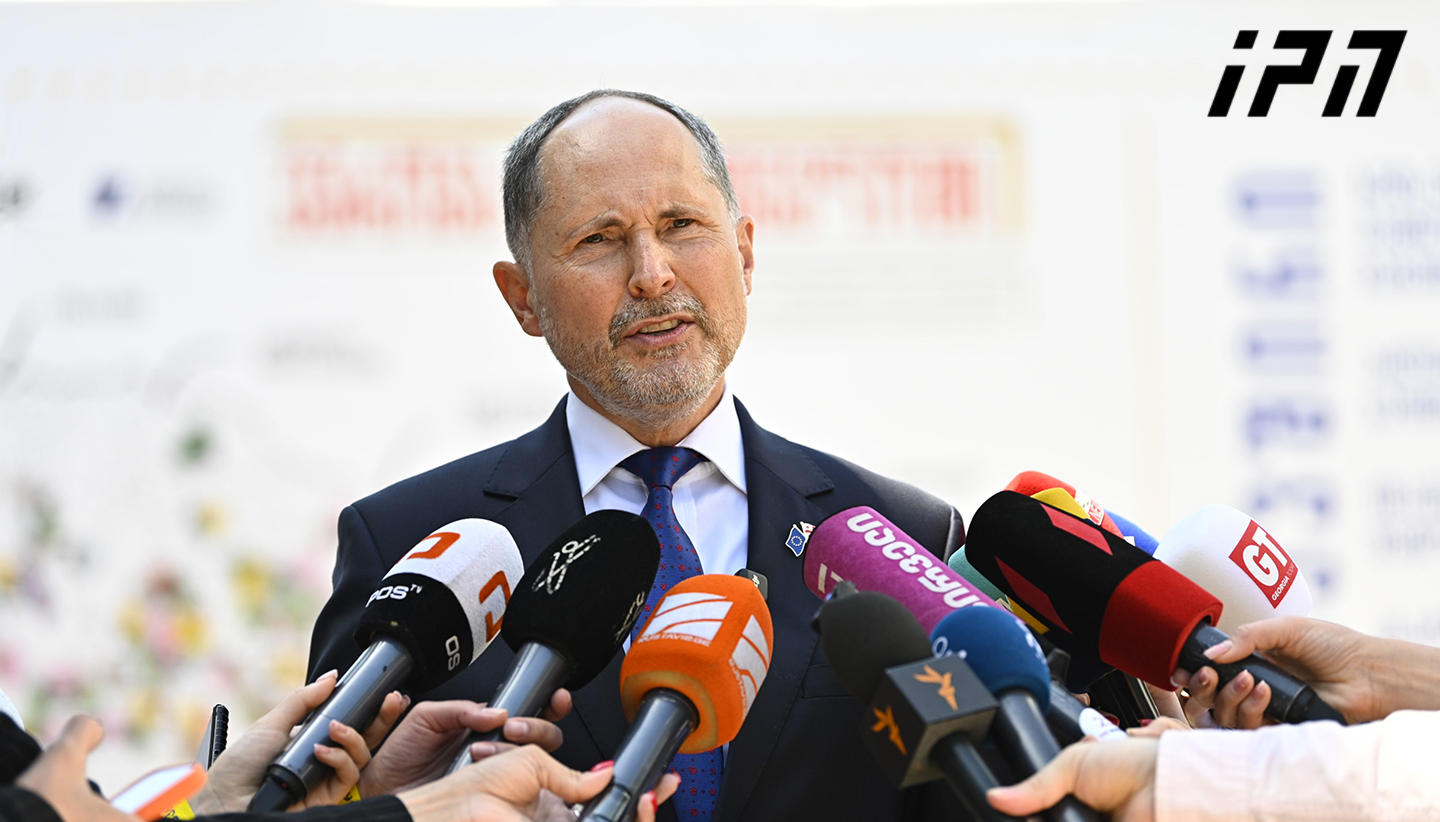
The actions, decisions, and legislation adopted by the Georgian government over the past year, instead of bringing Georgia closer to EU membership, are moving Georgia away from the EU, and this will have consequences, Pawel Herczynski, the EU Ambassador to Georgia, said in response to journalists' questions.
According to him, it is regrettable that the recent actions of the Georgian government are distancing the country from the EU and Georgia is even less involved in the activities of EU member states.
"Georgia needs to undergo significant reforms. These reforms are not intended for Georgia. These reforms should be applied to all countries that want to become members of the European Union. Unfortunately, since the moment of granting Georgia candidate status, we have not seen any progress, any opportunity, any desire for Georgia to become one of our members as soon as possible - on the contrary, and we have been saying this all this time and many of you remember my words over the past year. The actions, decisions, legislation that the Georgian authorities have adopted over the past year, instead of bringing Georgia closer to EU membership, are moving Georgia away from the EU, and this will have consequences. And as the EU Ambassador to Georgia, it is disappointing for me to see that a very important meeting of EU Foreign Ministers and EU candidate countries was held yesterday without Georgia's participation," Herczynski said.
The ambassador also spoke about those detained during the protests and noted that they must be released. According to Herczynski, EU countries are trying to impose sanctions on those involved in the use of force.
“We now have a situation where many people are unjustly detained. And that is why we are trying to impose sanctions on those Georgian officials who are responsible for the use of violence. As I have repeatedly told you, unfortunately, this has not been possible so far with EU sanctions, because unanimity is required for sanctions. At this stage, we have several member states that do not join unanimity. That is why several EU member states have decided to implement bilateral sanctions. This number is growing.
What I can tell you is that when it comes to our assistance, EU assistance to Georgia, 95% of our support, EU support to Georgia, has been provided to the Georgian government through direct budget support, through partners who have been working closely with Georgian ministries,” Herczynski said.