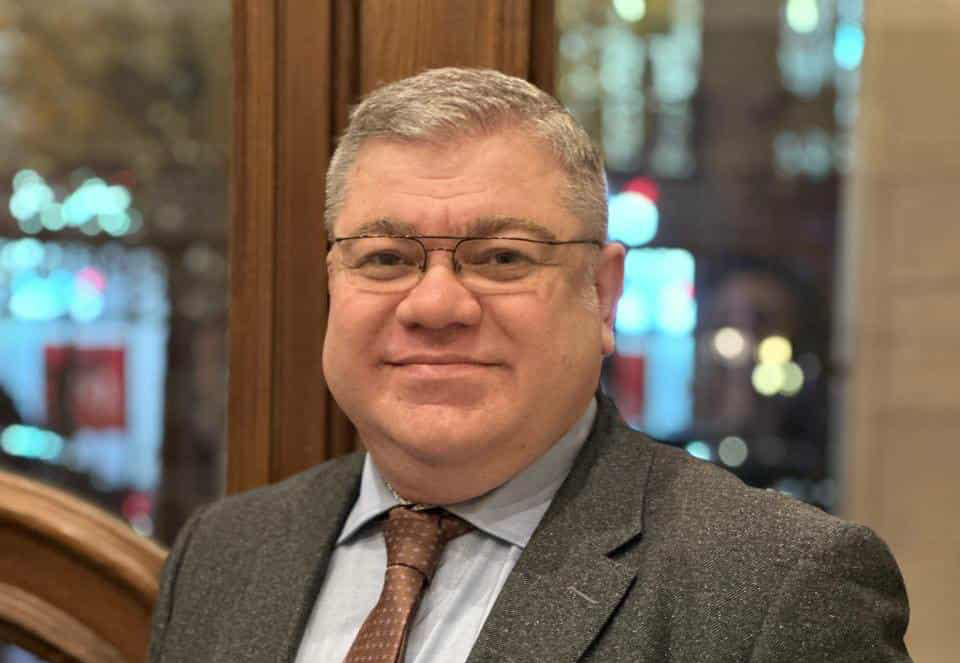
Levan Izoria: I learned about it through the media, when the outpost in Chorchana had already been set up – unfortunately, the outcome was negative; When you see that a decision might lead to an even greater danger, you need to think it through
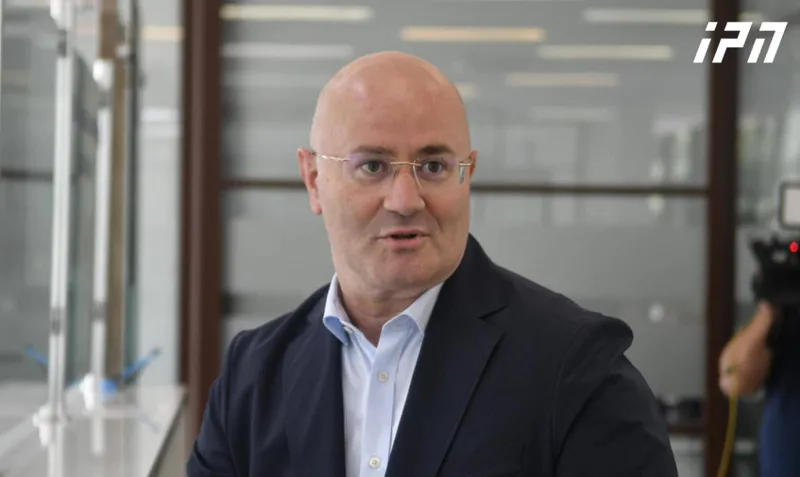
"[Giorgi Gakharia], as a responsible person, should have used the Security Council — we cannot rely on fortune-telling or guesswork. When you see that a decision could lead to greater danger, you must think it through," said former Defense Minister Levan Izoria to the media after being questioned by the Prosecutor’s Office regarding the so-called Chorchana episode.
According to him, he learned about the installation of the outpost in Chorchana through the media.
"The main question was whether I had been informed about the so-called Chorchana episode. My answer was that I had no information, neither through unofficial nor formal channels, especially within the Security Council framework, where such an issue was never discussed.
In April 2019, a security body was established to analyze threats, assess risks, and plan policy in order to provide recommendations to high-ranking political officials. I had the honor of being a permanent member of that body from its very inception as the Minister of Defense. As you know, the law requires the Council to meet every three months. A permanent member has the right to request a meeting through the Prime Minister, but I recall only one session on May 1, 2019, which dealt solely with organizational matters, since the body was newly established.
On a topic as serious as national security, the Prime Minister, the EU Monitoring Mission, and the State Security Service should all have been informed. No such meeting took place. I found out about the matter only after the outpost had already been set up — and I learned that through the media.
As Minister of Defense, I was no longer in office just a few days after the outpost was placed, so I had no opportunity to clarify anything. Two months later, in November, I was appointed Secretary of the Security Council, which also shows how seriously the Prime Minister perceived matters of national security.
The Ministry of Defense has no jurisdiction over the occupation line or its surrounding areas — that falls under police authority. Unfortunately, the result was negative. The interests of our citizens and our territorial integrity are the highest priority in the face of occupation, and it is regrettable when such decisions lead to unfortunate consequences.
There is no record of the newly formed Security Council convening with a fresh mandate to discuss this critical issue. That was a key point in the questioning. As a permanent member of the Council, I believe this issue should have been discussed in the Security Council format. There was no communication even after the outpost was set up. At that time, I was head of the Intelligence Service, which is not responsible for domestic threats — it analyzes foreign threats. This was a domestic issue. The relevant permanent member, who was preparing the decision, should have informed colleagues — especially since he [Gakharia] was the Secretary of the Council.
Gakharia even delayed the appointment procedure, let alone holding a discussion — this speaks to his responsibility. The Council was without a Secretary for two months — what kind of discussion can happen under such circumstances? The main responsibility lies with the person who made the decision, and that person later became the Prime Minister. He was also the author of the initiative.
As a responsible official, he [Gakharia] should have used the Security Council. We cannot depend on fortune-telling. Issues must be discussed in proper formats. When you see that a decision might expose you to a greater risk, you must think carefully," said Levan Izoria.