Lawyer: The evidence presented and cited by the prosecution does not confirm the alleged offense. The court has only one option - to declare Zviad Tsetskhladze not guilty
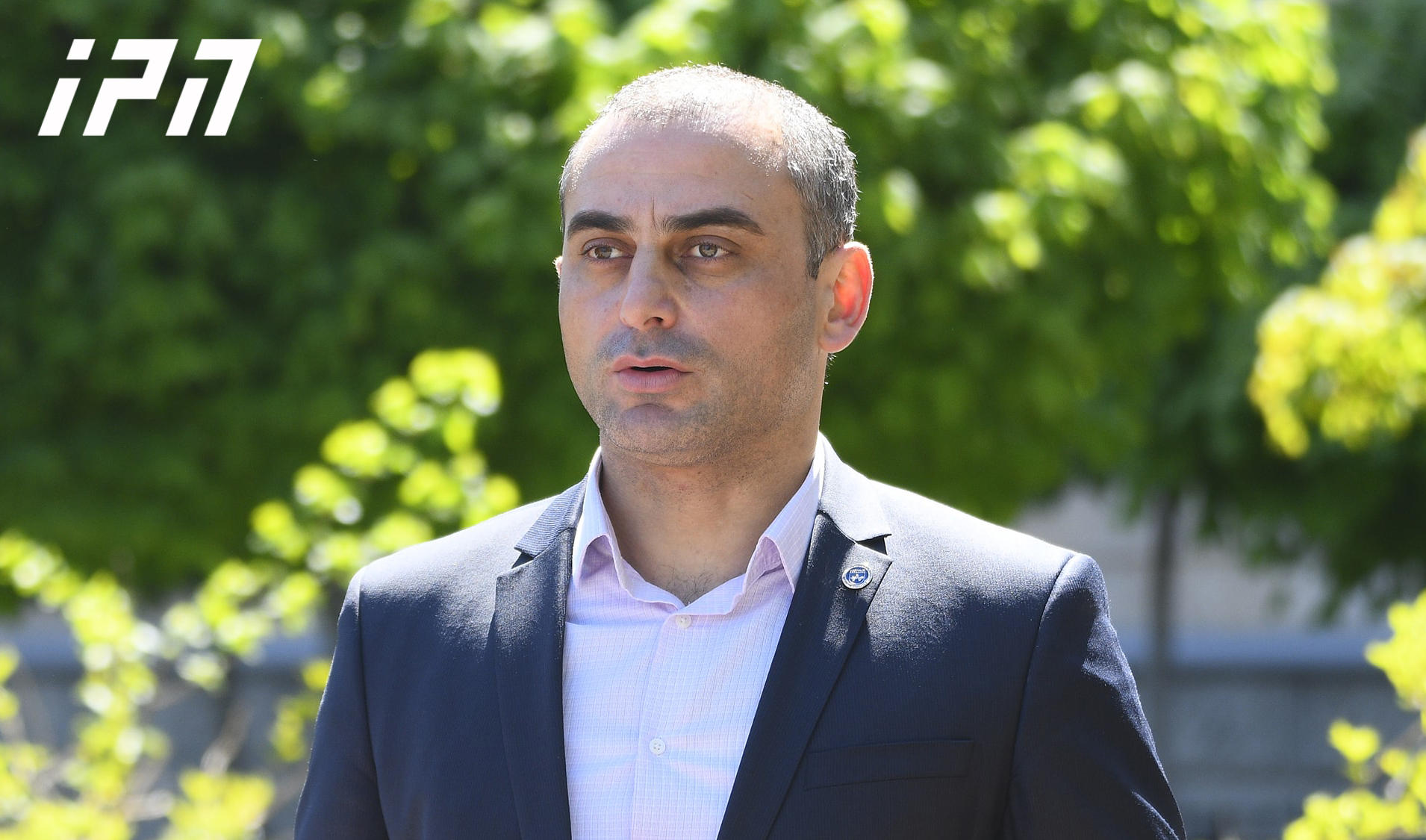
"The evidence presented and cited by the prosecution does not confirm the alleged offense. The court has only one option—to declare Zviad Tsetskhladze not guilty," said Davit Chikadze, the lawyer of Zviad Tsetskhladze, who is accused of organizing and leading group violence.
According to him, there is no evidence in the case that confirms Zviad Tsetskhladze’s presence at the protests on November 28, 29, and 30.
"Zviad Tsetskhladze is charged with organizing group violence, and the prosecution had the responsibility and obligation to present evidence that would confirm his guilt. The evidence presented and cited by the prosecution does not substantiate the alleged offense. The court has only one option—to declare Zviad Tsetskhladze not guilty. The presented evidence relates to the events that took place on November 28, 29, and 30. All the police officers questioned confirmed that they sustained injuries during this period, and it is also confirmed that Zviad Tsetskhladze was not physically present at the protests during those days. Moreover, the recording relied upon by the prosecution was made on November 30, so it cannot serve as evidence for the processes occurring before that date. The four-minute video presented is defensive in nature. Additionally, the main video lacks a verbal component," stated Davit Chikadze.
For information, a court hearing was held at the Tbilisi City Court for Zviad Tsetskhladze and seven other individuals detained on charges of organizing and participating in group violence during the protest rallies near the Parliament, where the prosecution delivered its closing statement.
As stated by the prosecution, the evidence presented in court confirms that the accused, Zviad Tsetskhladze, was organizing certain groups at the protest, instructing them on placement at specific locations, the production of various items, and resisting police officers.
For reference, of the eight detained individuals, three—Zviad Tsetskhladze, Vepkhia Kasradze, and Vasil Kadzelashvili—are charged with organizing and leading group violence, facing imprisonment from 6 to 9 years.
Five of the accused—Giorgi Gorgadze, Irakli Miminoshvili, Insaf Aliev, Tornike Goshadze, and Nikoloz Javakhishvili—are charged with participating in group violence, facing imprisonment from 4 to 6 years.