Metropolitan Shio: We should not be afraid of humility; rather, we should remember the blessings it brings us — it lifts us above the sorrows of this world and brings us joy in the Holy Spirit, which is the beginning of the bliss of the Kingdom of Heaven
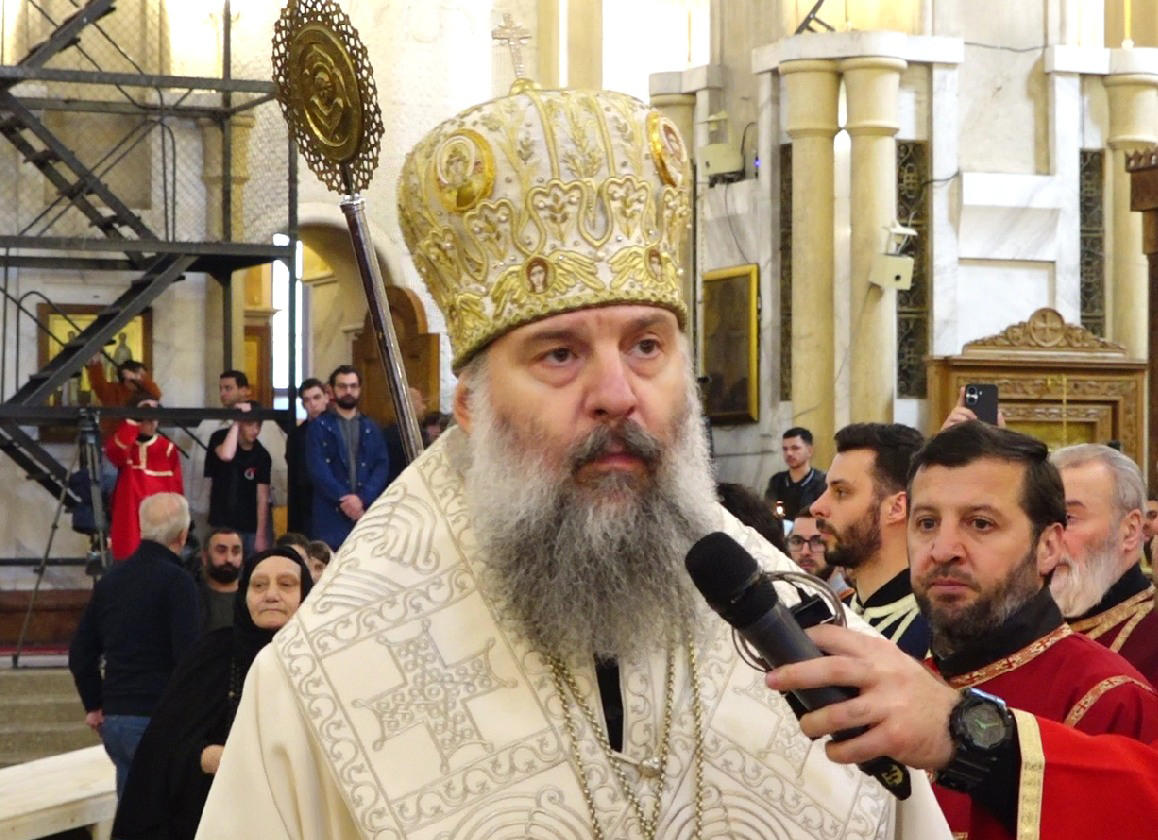
“We should not be afraid of humility, but rather remember the blessings it brings us. It lifts us above this earthly life, above the sorrows of this world, above every sorrow — even our personal sorrows — and brings us joy in the Holy Spirit, which is the beginning of the bliss of the Kingdom of Heaven in this earthly life,” said Metropolitan Shio (Mujiri), Patriarchal Locum Tenens and Metropolitan of Senaki and Chkhorotsku, during his sermon on the Feast of the Beheading of St. John the Baptist.
As Metropolitan Shio explained, “We celebrate this event because we have gained a unique and wondrous intercessor and advocate before God.”
He continued: “In the name of the Father, the Son, and the Holy Spirit.Dear fathers, brothers, and sisters, I congratulate you on today’s feast and convey to you the prayer and blessing of His Holiness and Beatitude Ilia II, Catholicos-Patriarch of All Georgia.
Today, the Holy Church commemorates and glorifies the great prophet, forerunner, and baptizer John, his martyric end, when he passed into another life — eternal life. We celebrate this event because we have acquired a special and wondrous intercessor and advocate before God, of whom the Lord Himself said that he is the greatest among those born of women (Matt. 11:11).
The Holy Church honors and commemorates St. John the Baptist immediately after the Most Holy Theotokos, and often they are depicted together.
Almost every Orthodox church contains an icon called ‘Deësis,’ which means supplication or intercession. In this icon, Christ is in the center, with the Most Holy Theotokos on His right and St. John the Baptist on His left, both praying to the Savior on behalf of the entire world and each of us.
Thus, our iconography and liturgical order testify to their closeness — and this closeness is very important for us.
What is the nature of this closeness, dear brothers and sisters? Is it only the blood relationship that existed between them? No. Above all, what unites them is the likeness of their spiritual struggle — a self-sacrificing love for God.
When the Archangel Gabriel appeared to the Mother of God and announced her unique mission, she replied: ‘Behold the handmaiden of the Lord’ (Luke 1:38). St. John the Baptist said something similar about the Savior: ‘He must increase, but I must decrease. The one who comes after me is greater than I, and I am not worthy even to untie the strap of His sandals.’ And Christ Himself gave us the greatest example of humility, as the Apostle Paul writes: ‘He took the form of a servant’ (Phil. 2:7).
This is what unites the Most Holy Theotokos and St. John the Baptist — and unites them with the Lord: the highest measure of humility, perfect humility, which is the self-sacrificing love for God.
The struggle for humility is very difficult. We often get irritated, angered by trivial things, we judge others, we find it hard to humble ourselves — sometimes we do not even want to. It is a hard labor that requires us to endure sorrow. The struggle with our fallen nature and ego is difficult. But if we truly humble ourselves for Christ’s sake, we will think like this: Christ is the founder of humility, and I also want to imitate Him, to imitate the Mother of God, to imitate St. John the Baptist. Therefore, I must make an effort to learn this chief virtue. And when we think like this and strive in this way, grace will come as a reward for our effort, bringing us joy in the Holy Spirit.
This is the joy of which St. John the Baptist himself spoke: ‘I am the friend of the Bridegroom, and the friend of the Bridegroom rejoices greatly when he hears the Bridegroom’s voice. This joy is now fulfilled in me’ (John 3:29).
This is the joy that, as the Lord teaches, no one can take away from us. There is nothing higher than the joy of the Holy Spirit, which comes only through the labor of humility. That is why we must not fear it. It is true that this labor is difficult, but we should not fear humility. We must remember what blessings it brings us — it raises us above this life, above the sorrows of this world, above all sorrow, including our own personal grief, and brings us joy in the Holy Spirit, which is the beginning of the blessedness of the Kingdom of Heaven here, in our earthly life.
This labor of humility, dear brothers and sisters, is something life demands from us every single day. Today, let us pray to the Most Holy Theotokos and St. John the Baptist to help us walk this path.
Once again, I congratulate you on the Feast of the Beheading of St. John the Baptist. May God bless, strengthen, and gladden you through the prayers of St. John the Baptist.”