Shalva Kereselidze to the Infrastructure Minister: During your tenure, many stalled projects have been revived, some completed, others resumed - I welcome this, but if you don't eliminate and eradicate corruption, nothing will come of it
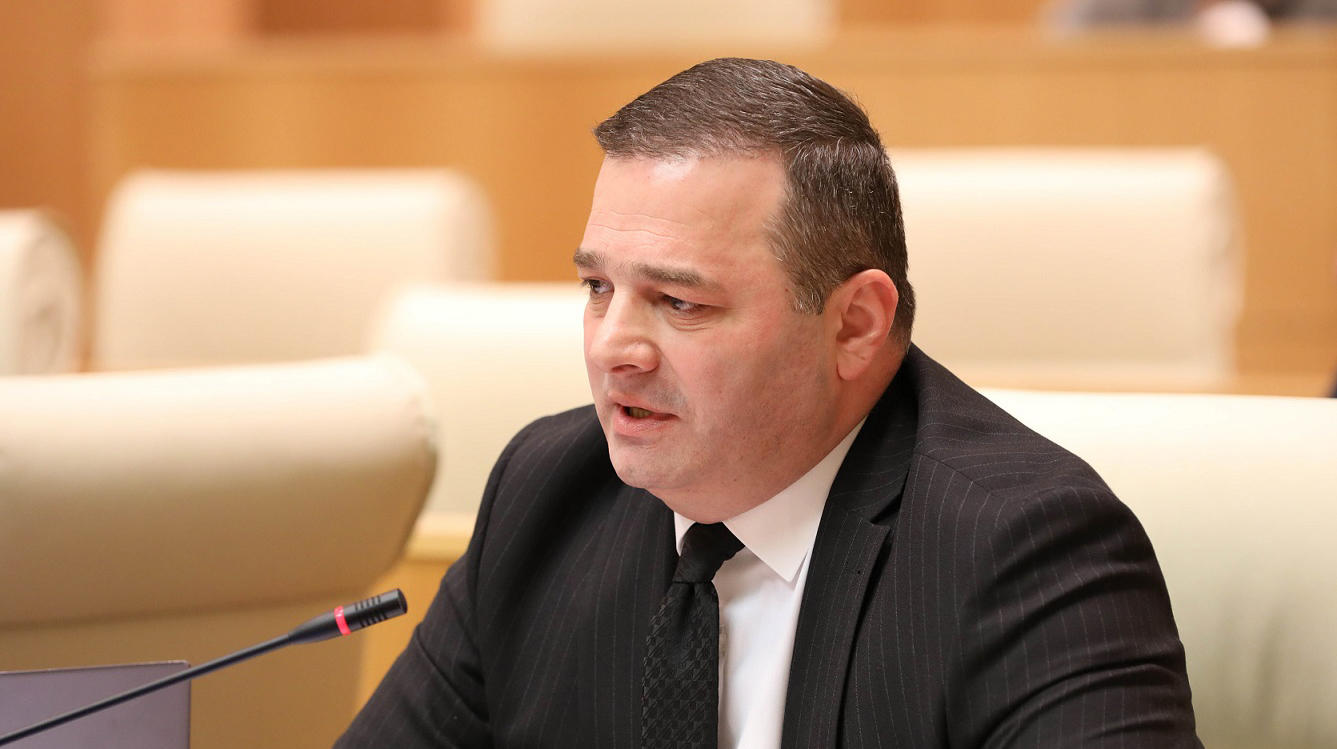
"During your tenure as minister, many stalled projects have been revived, some completed, some in the process of completion, and work has resumed in others—together with your ministry's honorable and professional public servants, if you don't eliminate and eradicate corruption, nothing will come of it," stated Shalva Kereselidze, Chairman of the "Gakharia for Georgia" faction, addressing Infrastructure Minister Revaz Sokhadze, who is being questioned under the interpellation procedure at the plenary session of Parliament.
As Kereselidze noted, many honorable, professional, and state-minded public servants work at the Infrastructure Ministry.
"I served the Ministry of Regional Development and Infrastructure for four years, and for another five years, I had official working relations with the agencies under your authority. I can boldly say that, for me as well as for every region, I considered—and still consider—this ministry one of the most reliable and state-critical institutions.
I know very well the role and importance of the Infrastructure Ministry in our country's development. I also know very well that many honorable, professional, and state-minded public servants work in this agency. However, what has been happening in this system over the past 2-3-4 years was unimaginable even to think about before—for example, during Ms. Maia Tskitishvili's time as minister. Naturally, the logical question arises: what happened in this strategically critical agency that its subordinate LEPLs, N(N)LEs, LLCs, and sub-agencies turned into nests of corruption? What caused nepotism, cronyism, systemic or organized forms of corruption, and bribery—for the poor execution, years-long delays, or complete abandonment of vitally important infrastructure projects in exchange for bribes—to become a common tradition?
When I was Governor of Mtskheta-Mtianeti region, at the end of each year, according to the plan-schedule, unfinished projects and millions in unspent funds would remain, and no governor or municipal mayor would have a peaceful New Year—dismissal orders would be hung on the New Year's tree as 'gifts.' Such approaches, rules, and working relations existed (let me cite examples of failed projects).
However, I also want to note that during your tenure, many of these stalled projects have been revived, some completed, some in the process of completion, work resumed in others, though some remain halted, etc.
I only welcome all this, but I want to tell you one thing: together with your ministry's honorable and professional public servants, if you don't eliminate and eradicate corruption, nothing will come of it. Your agency will never regain the great and reliable reputation it has had since its creation—for the regions, regional leaders, majority MPs, and rural residents. I wish you success," Kereselidze addressed the Infrastructure Minister.