Parliament supports new edition of the Election Code in the first reading, under which polling stations for emigrants will no longer open during parliamentary elections, similar to municipal elections
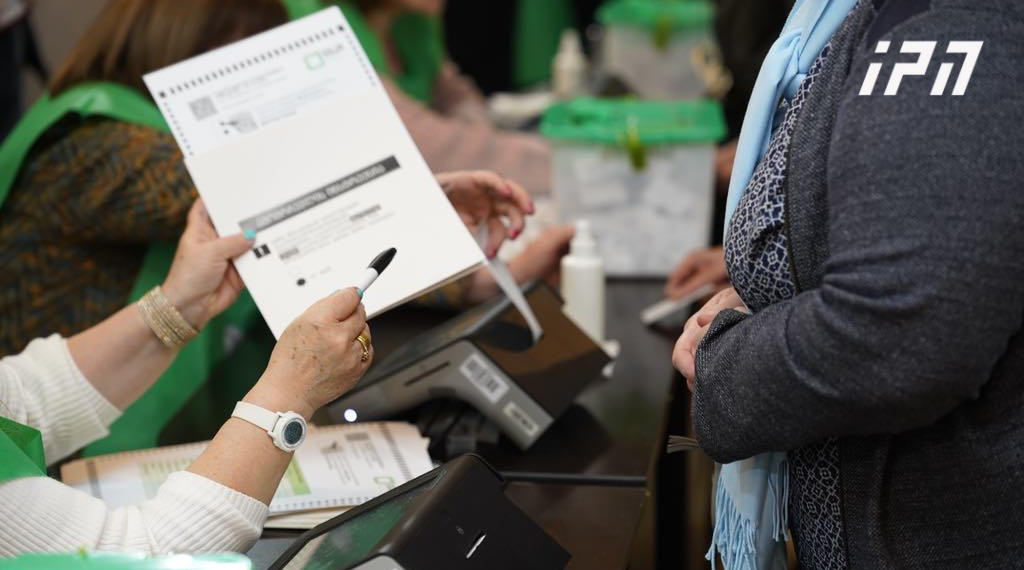
With 76 votes in favor and 9 against, Parliament adopted in the first reading the draft of the new edition of the Election Code and the legislative amendments arising from it.
Discussion of the legislative package began last week and today it passed the first reading at the plenary session.
One of the main changes in the new Election Code is that polling stations for emigrants living abroad will no longer open during parliamentary elections, and—just like in municipal elections—the parliamentary elections will be held only within the territory of Georgia.
According to the draft, a political party will be authorized to nominate only its own party members as candidates in both parliamentary and municipal elections. The possibility to nominate a non-party candidate will be granted only to an initiative group.
Procedures for candidate registration are being simplified. Specifically, the registration card will no longer be required. Currently, two documents are needed for registration — a registration card and an application confirming party membership. Under the draft, a candidate will only fill out a consent form to participate in the elections, where information about residency requirements and party membership will also be indicated.
The draft also states that a person convicted under criminal law will be prohibited from serving as a member of an election commission — including individuals who have received a fine as a court sentence.
The draft further establishes that audio monitoring will be prohibited during photo and video recording inside the polling station.
Rules regarding removal from the polling building will also change — a person expelled from one polling station will be banned from entering any other polling station on election day.
The authors and initiators of the draft law are Members of the Parliament of Georgia: Archil Gorduladze, Tornike Cheishvili, Aleksandre Tabatadze, Davit Matikashvili, Rati Ionatamishvili, Aluda Ghudushauri, Tengiz Sharmanashvili, Guram Macharashvili, Akaki Aladashvili.