Nona Kordovanidze: Human rights organizations warned from the start about mixing chemical substances into water cannons and their unlawful use against protesters
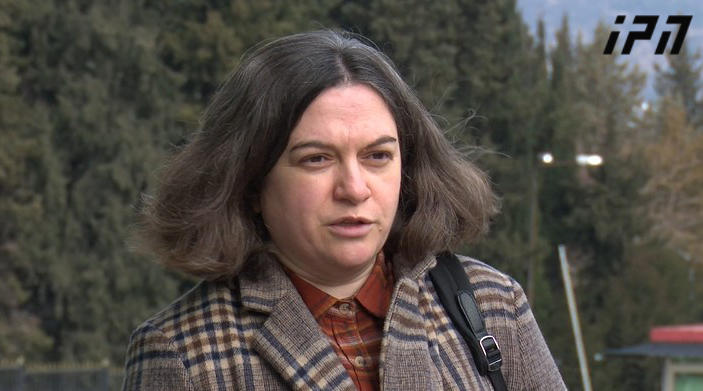
Human rights organizations, including the Young Lawyers’ Association (SYLA), had from the beginning raised concerns about the mixing of chemical substances into water cannons and their unlawful use against protesters, writes Nona Kordovanidze, head of the association, on social media.
Kordovanidze notes that several public statements were made on this issue, and relevant authorities were contacted, but information about the chemical substances used was not disclosed.
"The BBC film released today discusses precisely this practice, and the filmmakers state that the chemical weapon used was likely from the time of the First World War.
We are sharing the victims’ stories, collected during interviews conducted with them:
Victim V98 (27-year-old woman): “Law enforcement used tear gas and water cannons in particularly large quantities, likely with chemical additives, which caused burns to the skin, damage to the respiratory tract and lungs. Breathing was difficult.”
Victim V97 (25-year-old man): “On the night of November 30, near Kashveti Church, tear gas was suddenly deployed in large amounts. Protesters felt a strong, unbearable burning in their nose and throat. As a result, some lost consciousness.”
Victim V91 (36-year-old man): “On the night of November 30, the use of tear gas caused severe respiratory damage, strong coughing, and tearing.”
Victim V95 (26-year-old woman): “On the night of December 1, large amounts of tear gas and other unknown substances were used. We felt intense burning in our noses and throats, were coughing, and lost control of our breathing.”
Victim V94 (36-year-old man): “Near Kashveti Church, gas canisters thrown over protesters’ heads by special forces caused acute respiratory failure.”
Victim V93 (35-year-old woman): “Near Biltmore, the police and special forces deployed tear gas directly over people’s heads, preventing them from moving.”
She emphasizes that none of these cases have been investigated, no one has been held accountable, and requests for disclosure of the substances used have been ignored.
According to BBC, the evidence they collected indicates that the Georgian authorities last year used chemical weapons from the First World War to suppress anti-government protests. BBC reports that protesters opposing the Georgian government’s delay in EU accession complained of various symptoms, including eye burning, sneezing, coughing, and vomiting, which persisted for weeks.
BBC also spoke with chemical weapons experts, Georgian special forces representatives, and doctors, discovering that the evidence points to the use of an agent the French military called “Camite.”