State Security Service: An investigation has been launched regarding the information disseminated by the BBC about a crime
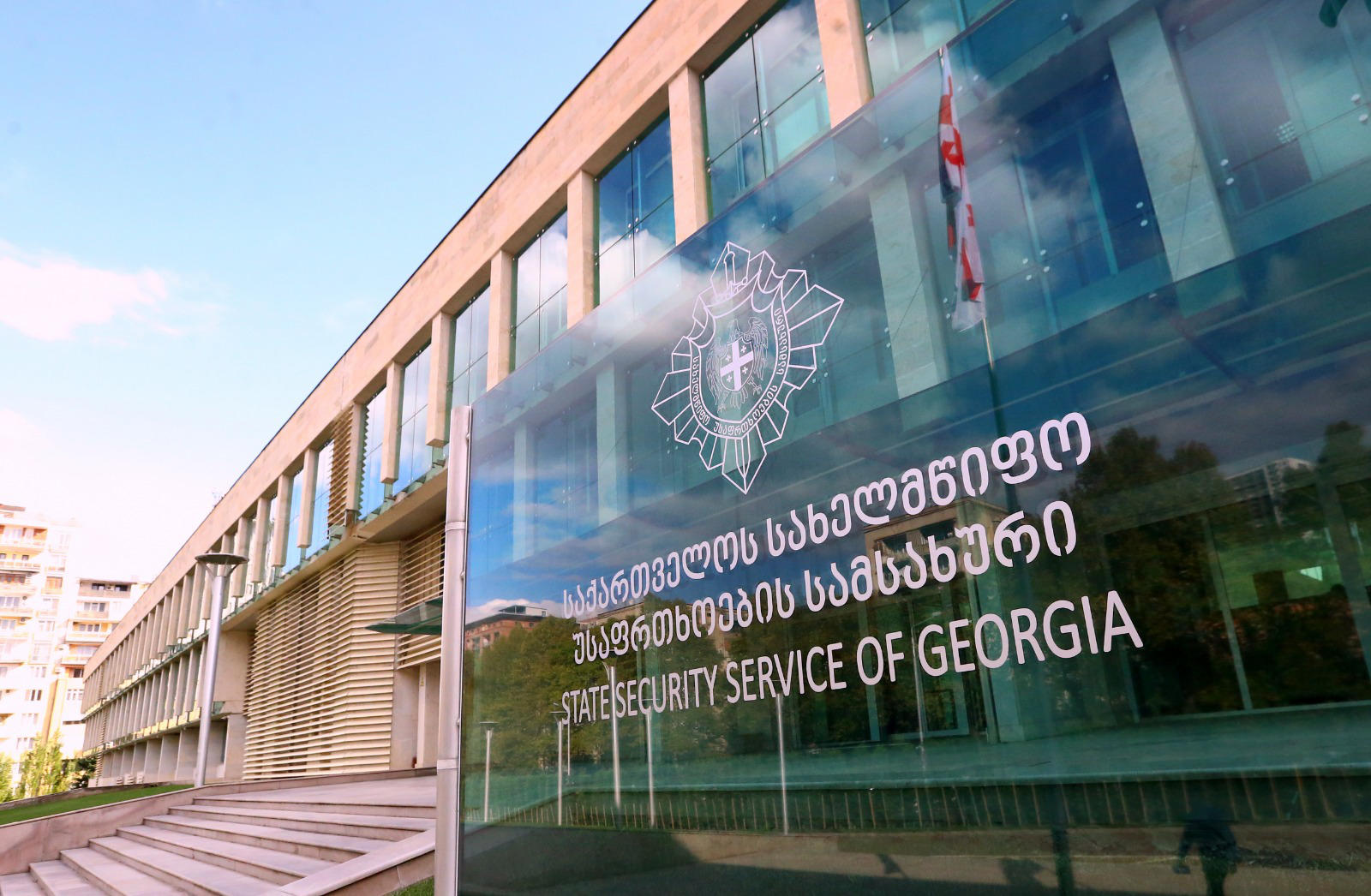
An investigation has been launched at the State Security Service of Georgia (SSG) regarding the information disseminated by the BBC about a crime in the public domain. The SSG released this statement.
The agency explains that the aim of the investigation is to determine in detail what information the interviews used by the BBC were based on, what facts the individuals cited, and how relevant and credible that information may be.
“As of today, the only established fact is that, on the one hand, the published material contains signs of a crime which — if confirmed — is directed against the life and health of citizens, substantially violating their and society’s lawful interests, and on the other hand, conversely, contains signs of a crime that gravely damages Georgia’s national interests, its international image and reputation, and is directed toward harming state interests.
Accordingly, the investigation was launched under Article 333 of the Criminal Code — abuse of official power — and Article 319, which refers to aiding hostile activities for a foreign organization.
The investigation will proceed in all directions, and the public will be periodically provided with detailed and comprehensive information about the results,” the statement reads.
As a reminder, the BBC published a report claiming that evidence collected by the outlet indicates that the Georgian authorities used World War I–era chemical weapons last year to disperse anti-government protests.
According to the BBC, “demonstrators protesting against the suspension of the Georgian government’s EU accession process reported various symptoms, including eye irritation, shortness of breath, coughing and vomiting, which continued for weeks.”
The BBC also stated that they spoke to chemical weapons experts from the World Service, representatives of Georgian special forces and doctors, and found that “the evidence indicates the use of the agent that the French military once called ‘Camite.’”