Mikheil Kavelashvili: By 2030, Georgia will be ready to join the European Union, but at the moment we do not know whether the EU’s position will change – they operate with double standards
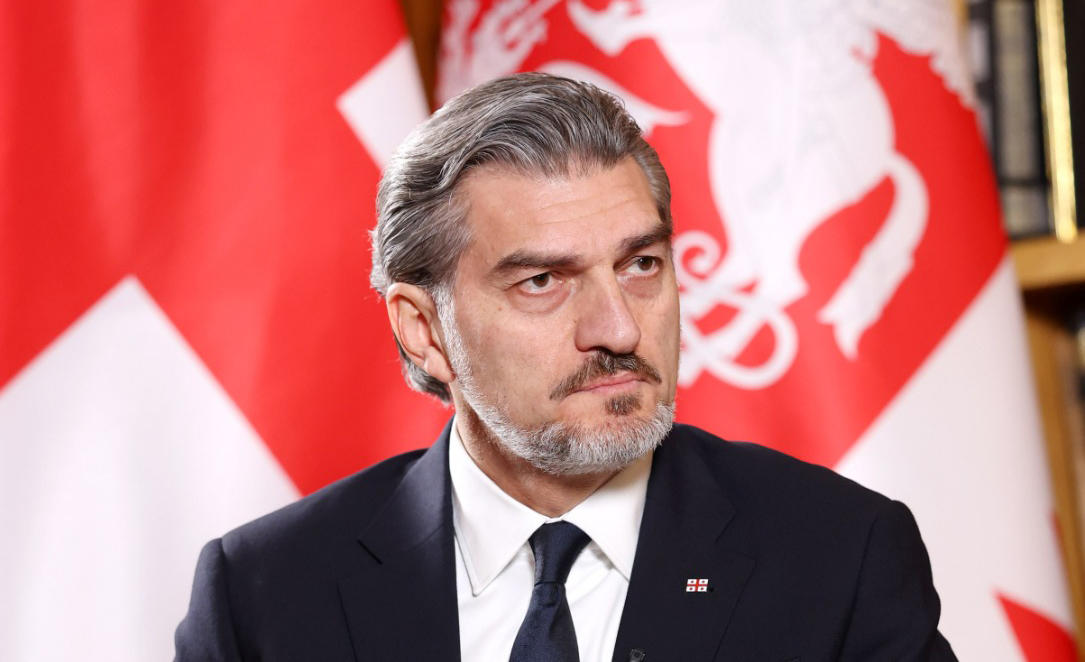
If 80% of Georgia’s population supports joining the European Union and 60% supports “Georgian Dream”, then it turns out that the majority of the population simultaneously supports both EU membership and “Georgian Dream”. So what is the difference between these two facts? – Mikheil Kavelashvili said in an interview with Deutsche Welle.
According to him, at every major gathering of “Georgian Dream” supporters, EU flags were prominently displayed, and this has been the case consistently for years.
“Unfortunately, however we look at this issue, support today is lower. Let’s think: if 80 percent of Georgia’s population supports joining the EU, and 60 percent supports Georgian Dream, what does that mean? It means that the majority of the population simultaneously supports both EU integration and Georgian Dream. So what is the difference between these two facts?” Kavelashvili said.
In addition, Kavelashvili stated that Georgia will be ready to join the EU by 2030, “but at the moment we do not know whether the EU’s position will change.”
“Georgia did not receive EU candidate status, even though we were and must remain among the leading candidates. By 2030, Georgia will be ready for EU membership. However, right now we do not know whether the EU’s attitude will change. They operate with double standards. Dialogue is key, but they do not engage in dialogue with us. Sometimes they recognize this government, sometimes they do not. It is absurd,” he said.
According to him, for Georgia to become an EU member state, everyone—from EU bureaucrats to members of the European Parliament—must change their attitude.
“Let me tell you a few facts. The protests started over the ‘transparency law.’ My faction initiated this law. The law concerns transparency. It requires NGOs to declare their finances if 20 percent of their budget comes from foreign funding. NGOs are obliged to present all documentation and be transparent about their expenses. There is nothing more in that law.
We joined all sanctions we could, except those that contradict our national interests and economic situation.
We supported all UN resolutions related to the war in Ukraine. We did not send volunteers to Ukraine, so that no one could accuse us of participating in the war.
Georgia did not receive EU candidate status, even though we were and must remain leading candidates,” Kavelashvili said.