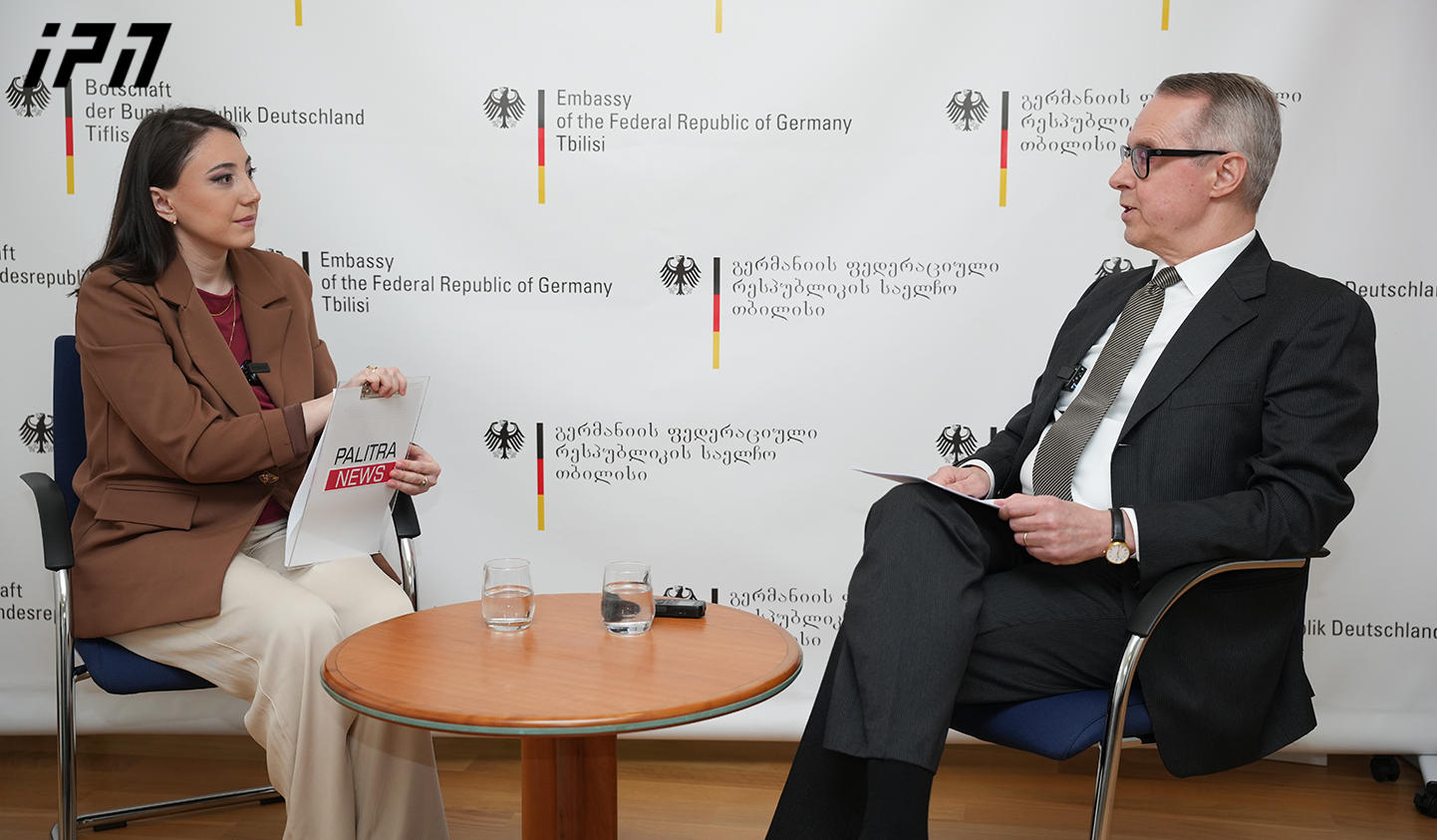
Doctor Konstantine Chakhunashvili - An assessment cannot be made only by the number of hospitalizations, they should publish what the diagnoses were - it is bad that we did not take samples, the feeling was that they were “going” and there was no need to take a sample of the substance"
It’s bad that we didn’t take [water] samples – I find it problematic that so many people wrote at the time to take samples, but no one did – this is our general problem. Probably no one imagined that a banned substance could have been used, secondly: there was a feeling that they were “going” and there was no need to take a sample of the substance. Thirdly: everyone was so agitated, rational thinking was suppressed by many during the crackdown. If I had been able to go back, I would have taken an analysis, - Konstantine Chakhunashvili, a doctor, one of the respondents in the BBC film, said on PalitraNews.
Konstantine Chakhunashvili spoke about the methodology of the research conducted. As he noted, there was a suspicion that there was a problem with the coagulation system, that capillaries were damaged, and so on.
“We compiled a questionnaire with the following wording: How many days did you attend the crackdown, did you use air masks, and which ones did you use? What symptoms do you have now? We started using this questionnaire on January 9. It was probably 1 month since the crackdowns ended. It was a study of the coagulation system, we were interested in the platelet count in the general blood test, we did a coagulogram, we did a capillary study, and an electrocardiogram. 4 days had passed since the last crackdown and from what I heard, unexplained nosebleeds continued. Our initial suspicion was that there was a problem with the coagulation system, the capillaries were damaged. We compiled a protocol based on this. We wanted more studies, many had vision problems, and they got worse.
What findings did we find: We denied that the coagulation system was damaged. The general blood count was within the norm. There were certain changes with capillaroscopy, there were also certain changes with electrocardiography,” said Konstantine Chakhunashvili.
According to him, after “this topic broke out,” many wrote to him that they had started having problems in a short period of time, including vision.
“Out of 347 people, 69 came to us. This means that they did not consider this topic to be important. Second: they did not have trust, third: they were afraid. Since this topic broke out, most of them wrote to me that they immediately started researching, that the problems started in a short period of time after the crackdown. Many people have written to me now with vision problems that started right away in that short period of time. You cannot make a general assessment with hospitalizations alone. They should publish what the diagnosis was, what the referral was,” noted Chakhunashvili.