Archil Gorduladze: The amendments we adopted on Assemblies and Demonstrations have worked - artificial road blockages occur less frequently; assembly and demonstration are not absolute rights and may be restricted
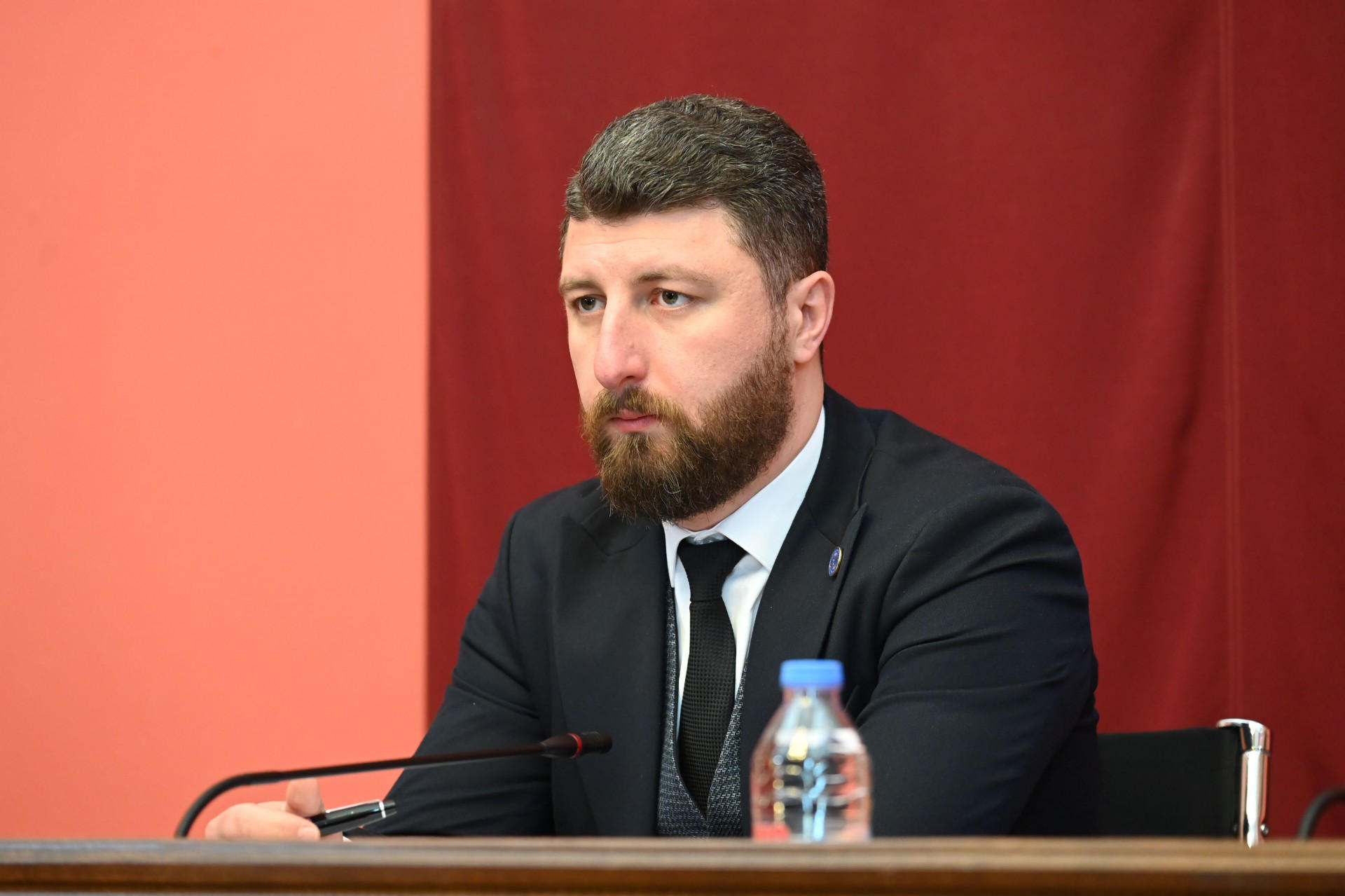
“The changes we adopted recently regarding assemblies and demonstrations have worked - in practice, artificial blockage of transport routes has become less frequent. However, individuals financed and organized from outside have found a new method: they deliberately hold demonstrations on streets where they violate the rights of others - whether it is the functioning of businesses, the peace of residents, or the movement of other people, including the elderly, persons with disabilities, and children,” said Archil Gorduladze, Chair of the Parliamentary Committee on Legal Affairs, explaining the planned amendments to the Law On Assemblies and Demonstrations.
Gorduladze emphasized that assembly and demonstration are not absolute rights and may be restricted.
According to him, the current legislation cannot ensure both the exercise of the right to assembly and demonstration and the effective protection of others’ rights.
“The balance must be effectively ensured.For more than a year, we have seen several dozen or sometimes a few hundred people imposing themselves on more than one and a half million residents of Tbilisi or other cities. It is crucial to maintain a balance between the right to demonstrate and other constitutional rights.Assembly and demonstration are not absolute rights. The Constitutional Court has ruled that this right may be restricted. The Strasbourg Court has also ruled on this. For example, it is prohibited to hold assemblies or demonstrations within a certain radius of a penitentiary institution. It is prohibited to hold assemblies or demonstrations inside state institutions and law enforcement buildings. It is also prohibited to hold them in educational institutions,” Gorduladze said.
Details of the Planned Amendments
The Parliament’s Legal Affairs Committee reviewed and supported, in the first reading, a bill that introduces the following changes:
1. Advance notification to the Ministry of Internal Affairs (MIA) - If an assembly or demonstration is held in a public movement area, the organizer must notify the Ministry of Internal Affairs, instead of the municipal authority.
2. Prohibition of artificial blockages - As with road closures, it will be prohibited to artificially block pedestrian pathways unless the number of participants objectively requires it. It will also be prohibited to block these areas with various structures or objects.
3. MIA may propose relocation or route changes - After receiving notification, the MIA will have the authority to propose a change of location or route if it determines that the planned form of assembly, the venue, or the route poses a threat to:
public order,
state or public institutions,
the normal operation of enterprises, organizations, or transport,
or the free movement and rights of individuals.
4. Administrative liability - If participants refuse the MIA’s proposed location or route and still hold the assembly or demonstration at the original location:
Participants may be sentenced to up to 15 days of administrative detention,
Organizers may be sentenced to up to 20 days.
5. Criminal liability for repeat violations - If the same offense is committed again, participants or organizers will incur criminal liability under Article 347 of the Criminal Code -up to 1 year of imprisonment.