Gela Khasaia: BBC is not attacking Georgia, nor are we exposing Georgia – We expose “Georgian Dream” - If I ever get the chance again, I am ready to expose “Georgian Dream” for its crimes
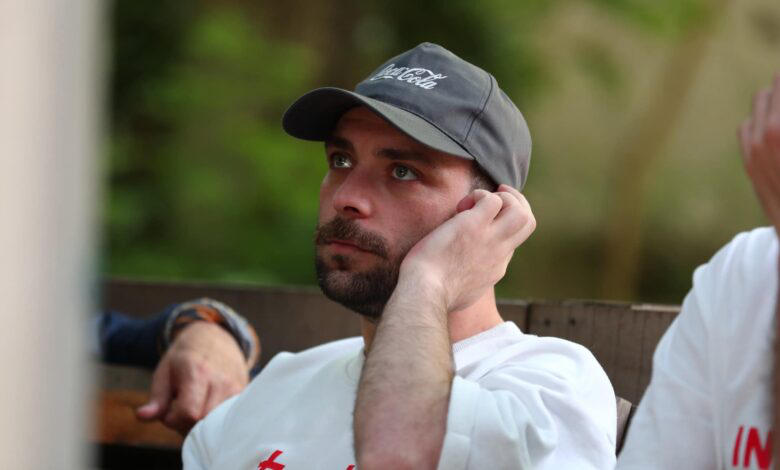
“It may seem that ‘Georgian Dream’ claims BBC is attacking Georgia, but in reality, BBC is not attacking Georgia. Nor are we exposing Georgia; we are exposing ‘Georgian Dream.’ At any time, if I am ever given the chance again, I am ready to expose ‘Georgian Dream’ for its crimes,” stated Gela Khasaia, a member of the party Girchi – More Freedom, during his court hearing on charges of causing severe bodily harm.
He also spoke about his case and arrest, addressing the prosecutor and the judge.
“Of course, I do not plead guilty, and this is well known by the so-called neutral witness, who is related to this person. How neutral can a witness be who is related to the accused and cooperates with the prosecution? Probably better than me—you understand. Regarding my arrest, I want to ask the prosecutor: he said I was called in for questioning and was contacted by mobile. My lawyer checked the calls, and no call was recorded. So, how did I end up at questioning? I wasn’t called on mobile, and I don’t have MagtiFix. Moreover, my perishable items—like yogurt—were sealed in the same building. Have you ever had a case in practice where a person goes to questioning carrying perishable items? He [the prosecutor] claimed he called me, but nothing was registered on my number. How did this happen? Please explain how I was summoned for questioning. There was no summons; I was coming home from a rally, and as soon as I left the store, they forced me into the car.”
Regarding the BBC report, he said: “I want to state a few facts: this investigation did not start two, three, or four months ago; it has been ongoing for almost a year. I had frequent communication with them, and they warned me that the ‘Georgian Dream’ might take some measures against me and that I could become a target. These were the people who produced the film. I only spoke about what happened to me during the period when the dispersals occurred. There wasn’t even a hint of leading questions; I was simply asked what harm I experienced during the dispersals, including pepper spray, etc. Everything I recounted happened exactly as I described. I did not know the full topic; I only knew the film was about the protest, the struggle of the Georgian people. Everything I said was my own words, and I fully stand by it.
“The only thing I regret is that I spoke about many revealing things regarding the so-called ‘Georgian Dream,’ and unfortunately, much did not make it into the report. Criminal cases were opened against people as if they participated in hostile activities. I haven’t reached them yet, but I want to say that at any time, anywhere, if I have the opportunity to provide evidence of violence to civil, international media—which is carried out not by Georgia, first and foremost—I will do so. I am not fighting Georgia; I am fighting ‘Georgian Dream.’ It may seem that ‘Georgian Dream’ claims BBC is attacking Georgia, but in reality, BBC is not attacking Georgia, nor are we exposing Georgia; we are exposing ‘Georgian Dream.’ At any time, if I am ever given the chance again, I am ready to expose ‘Georgian Dream’ for its crimes and, in doing so, defend not only myself but also those living under constant terror, and of course, protect the country as best I can.
“I would also add that, in my view, the court should consider the full context when reviewing a political case. By this context, I mean, for example, the new law passed yesterday. You could have a case written about someone arrested on the sidewalk and tried under criminal law. There is no country where human rights are respected where a person goes to jail for that. In my opinion, the primary role of the court should be to stand up against all of this,” Khasaia stated.