Davit Matikashvili: No indirect routes are needed – NGOs can freely receive funding, it just needs to be transparent and the public must know where the money flows in Georgia
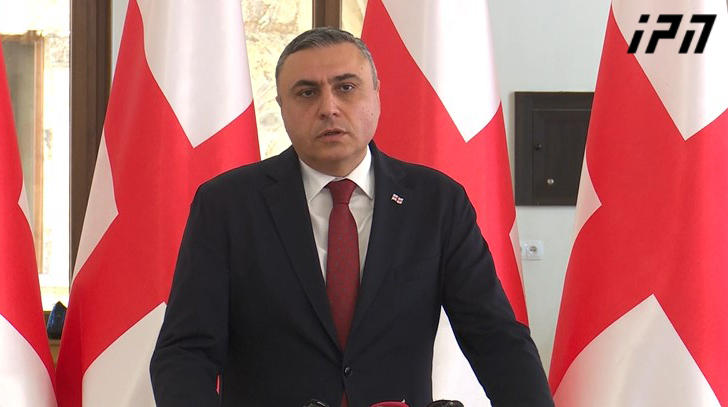
“Today’s bureaucracy in Brussels needs to return to the values around which the European Union was created. Unfortunately, we clearly and visibly see a very large gap that has emerged between Euro-bureaucracy and informal governance on one side, and democracy and European officials on the other,” Davit Matikashvili, Chairman of the Parliamentary Procedural Issues and Rules Committee, told journalists.
He said that the will of the people in European states often conflicts with the will of Brussels.
“This is already being spoken about very loudly, often by representatives of these countries themselves. Especially after criticism from the United States, there has been a certain exposure of the unfortunate reality created by the EU’s own distorted agenda for its member states.
“As for [NGO] funding and so on—how many times must it be acknowledged that there has been an attempt from the EU to encourage radicalism by circumventing the law? It exists, and unfortunately continues. Yet the situation is very simple—no indirect routes are needed. Georgia has legislative frameworks that allow any funding to be received very freely, provided that these funds are transparent and the public knows what the money is going to. Nothing more. In contrast, from the EU we hear the very unfortunate notion that, apparently, lawful channels are not enough, and illegal means must be sought to continue encouraging radicalism. Naturally, all of this is one of the main reasons for the rise of Euroscepticism,” Matikashvili said.