Why Energy Efficiency Is Important for Industrial Companies and Customers?
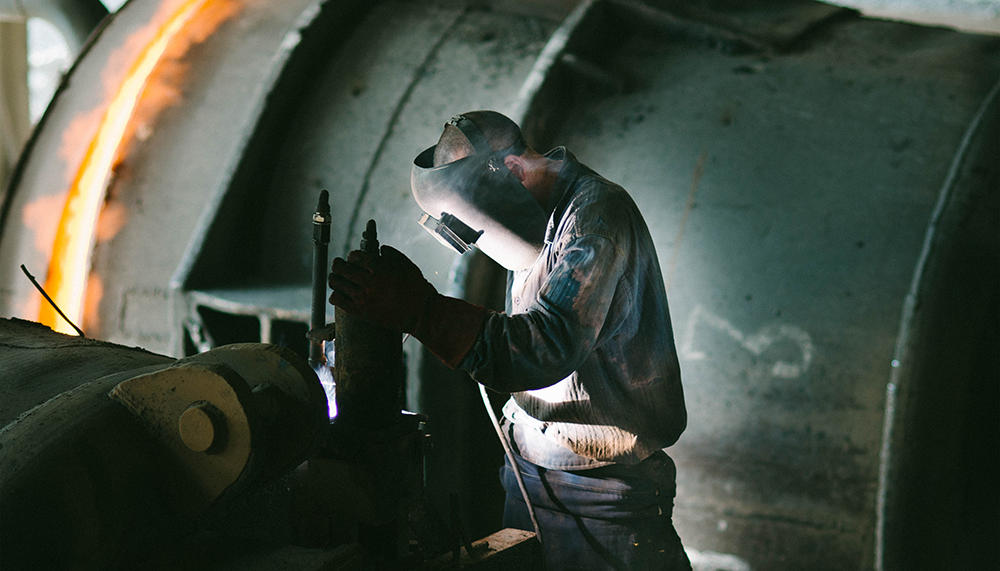
Traditionally, steel production has been associated with high energy consumption and significant environmental impact. As a result, in recent years the steel industry has been actively transitioning toward more environmentally friendly approaches in order to reduce pollution and improve its environmental footprint through innovation and new industry standards.
Steel production processes require large amounts of energy and natural resources, which lead to greenhouse gas emissions, air pollution, and waste generation. For this reason, one of the industry’s main challenges has become transforming production processes in a way that reduces environmental pressure without compromising product quality or production volumes.
Modern steel companies are actively implementing energy-efficient technologies. Upgraded furnaces, production automation, and process optimization significantly reduce energy consumption. Nevertheless, challenges related to industrial production still remain and, in many cases, continue to cause public concern.
According to specialists, this dissatisfaction is often linked to the spread of inaccurate information. A good example is the recent and noticeable increase in fine particulate matter (PM2.5) levels recorded in Georgia. According to the National Environmental Agency, this rise was caused by the spread of desert air masses from the south, rather than by increased construction activity or industrial production.
At the same time, experts emphasize that it is critically important to take effective steps toward improving the sustainability of construction projects, reducing vehicle emissions, and promoting greater adoption of green manufacturing practices.
More specifically, what approaches should large industrial enterprises adopt to minimize their environmental impact?
ipn.ge contacted one of the largest industrial companies, Geosteel, which operates in the processing industry. Earlier this month, the company hosted an open day, during which it presented in detail the sustainable practices implemented at every stage of its production process.
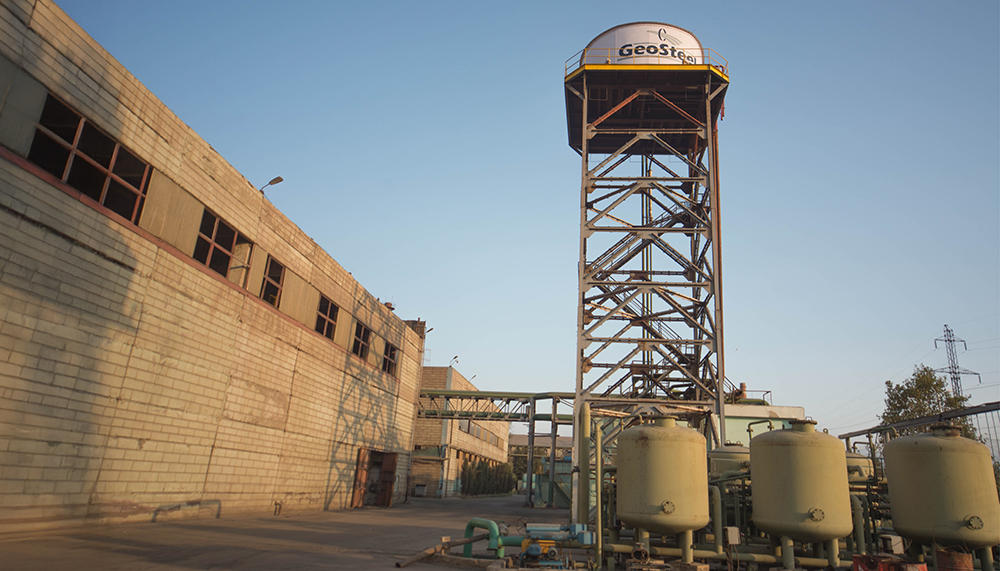
The company explains that it was among the first to introduce internationally recognized standards and continues to work on their ongoing improvement. At Geosteel, environmental protection begins at the very first stage — the cutting of raw materials, in this case scrap metal — where preventive measures are taken to avoid the release of harmful substances into the air. This is evidenced by the absence of odors typically associated with toxic substances at the scrap cutting and sorting facility. Furthermore, environmental protection measures are maintained at every subsequent stage of production to minimize environmental impact.
Geosteel also notes that it was the first company to install an exhaust emission extraction system. According to the company, this system ensures environmental compliance with all governmental and local legislation related to atmospheric emissions.
“In order to improve our systems, we cooperate with two European consultants who regularly visit the plant and provide recommendations on necessary changes to further enhance the existing systems,” the company states.
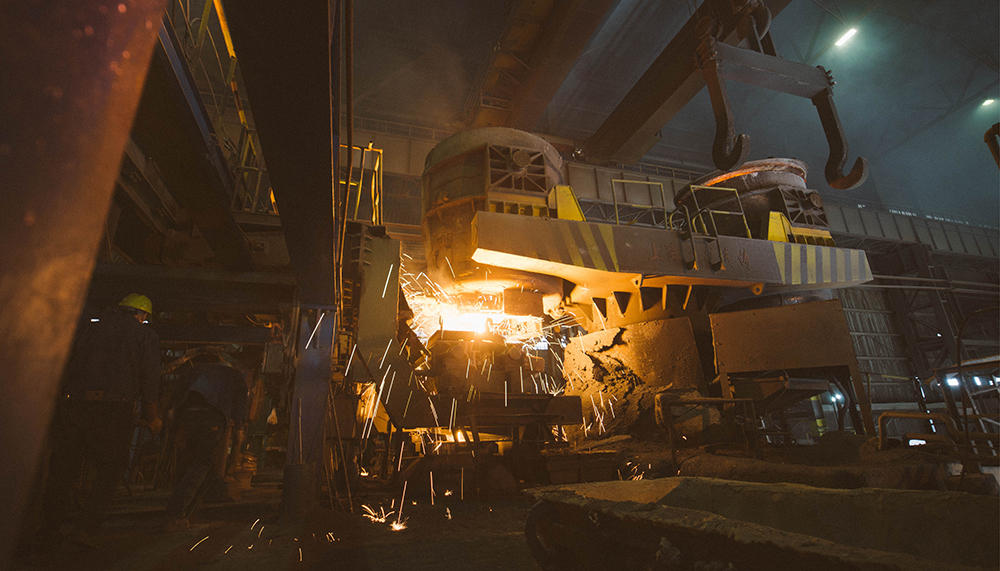
The company further explains that through advanced filtration systems, Geosteel protects public interests and produces its products ethically, meaning that it does not represent a source of air pollution in Rustavi.
“In addition to filtration, we operate a 24/7 continuous emissions monitoring system to ensure ongoing compliance with legislation. We are the first company in Rustavi to install a continuous monitoring system in accordance with the requirements of the Ministry of Environmental Protection. The plant is also equipped with an emission extraction system that ensures only clean air is released into the atmosphere,” the company notes, adding that widespread adoption of such practices by industrial enterprises would significantly improve air quality in the city.
(AD)