According to GYLA, it won dispute in Strasbourg Court regarding Giorgi Mekvabishvili, who was detained during a rally against“Russian law” in 2023
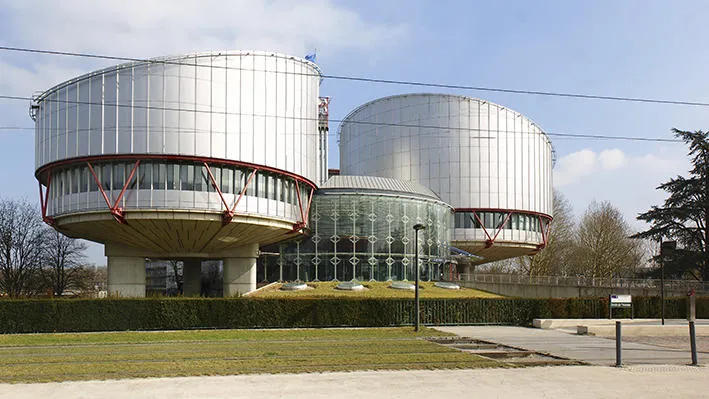
The Georgian Young Lawyers Association (GYLA) has won a case in the Strasbourg Court relating to Giorgi Mekvabishvili, a person detained during a rally against the so-called "Russian law" in 2023.
According to GYLA, the Strasbourg Court found a violation of Articles 6 (1) and 11 of the Convention in this case.
According to them, the Court included the right protected by Article 10 within the framework of Article 11.
“The case concerns Giorgi Mekvabishvili, who was illegally detained in the context of a mass rally against the “Russian law” near the Parliament on March 7-8, 2023, and is recognized as an offender under Article 173 of the Code of Administrative Offenses (disobedience to a lawful order or request of a law enforcement officer).
GYLA applied to the Strasbourg Court on October 9, 2023 to protect Giorgi Mekvabishvili’s rights.
Giorgi Mekvabishvili was arrested by the police on March 8, 2023, on the sidewalk, under Articles 166 (petty hooliganism) and 173 (disobedience to a lawful order or request of a law enforcement officer) of the Code of Administrative Offenses, when he was filming the violent actions of law enforcement officials against another participant in the rally by his phone and calling on law enforcement officers not to use force against the participant in the rally. According to the police officer, the only witness in the case, Giorgi Mekvabishvili did not obey the police's lawful request to clear the roadway, which became the basis for his arrest and subsequent conviction as a criminal offense. The Strasbourg Court examined the complaint under Articles 6 (right to a fair trial), 10 (freedom of expression) and 11 (freedom of assembly) of the European Convention.
The Strasbourg Court found a violation of Articles 6 (1) and 11 of the Convention in the present case. It is important that the Court included the right protected by Article 10 within the framework of Article 11.
- The Court's assessment:
Context of the March 7-8, 2023 demonstration - The Court explains that the demonstration as a whole did not aim to disrupt the activities of Parliament and further explains that the applicant did not participate in any violent act. In addition, according to the Court, it is not disputed that the demonstration of March 7, 2023 served the public interest and the applicant's actions fall within the framework of Article 11 of the Convention.
Burden of proof - The Court notes that there was no direct or objective evidence in the case, except for the testimony presented by the police. In addition, the Court draws attention to the absence of recordings from body cameras and external surveillance cameras in the police officer's report of the events. The Court found that this violated Article 6(1) of the Convention, since the applicant was effectively forced to prove his innocence against unsubstantiated police allegations, when the case file contained no evidence other than the police statements, which fundamentally undermined the fair hearing.
Disobedience to a lawful request - The Court explained that the applicant had questioned the lawfulness of the order he was accused. According to the court, the “lawfulness” of the request constitutes a constituent element of Article 173 of the Code of Administrative Offences, which was violated in the present case, since the applicant could not be individually explained what was the reason for his detention. The decision states that the domestic courts assessed the lawfulness of the police orders only in general terms, based on a general indication of the behavior on the ground, without assessing whether the decision to disperse the entire demonstration and clear the road was necessary.
The court’s decision ordered the state to compensate the applicant for the material and moral damage suffered.