Five years of Sadyr Japarov’s Presidency: The main test is still ahead
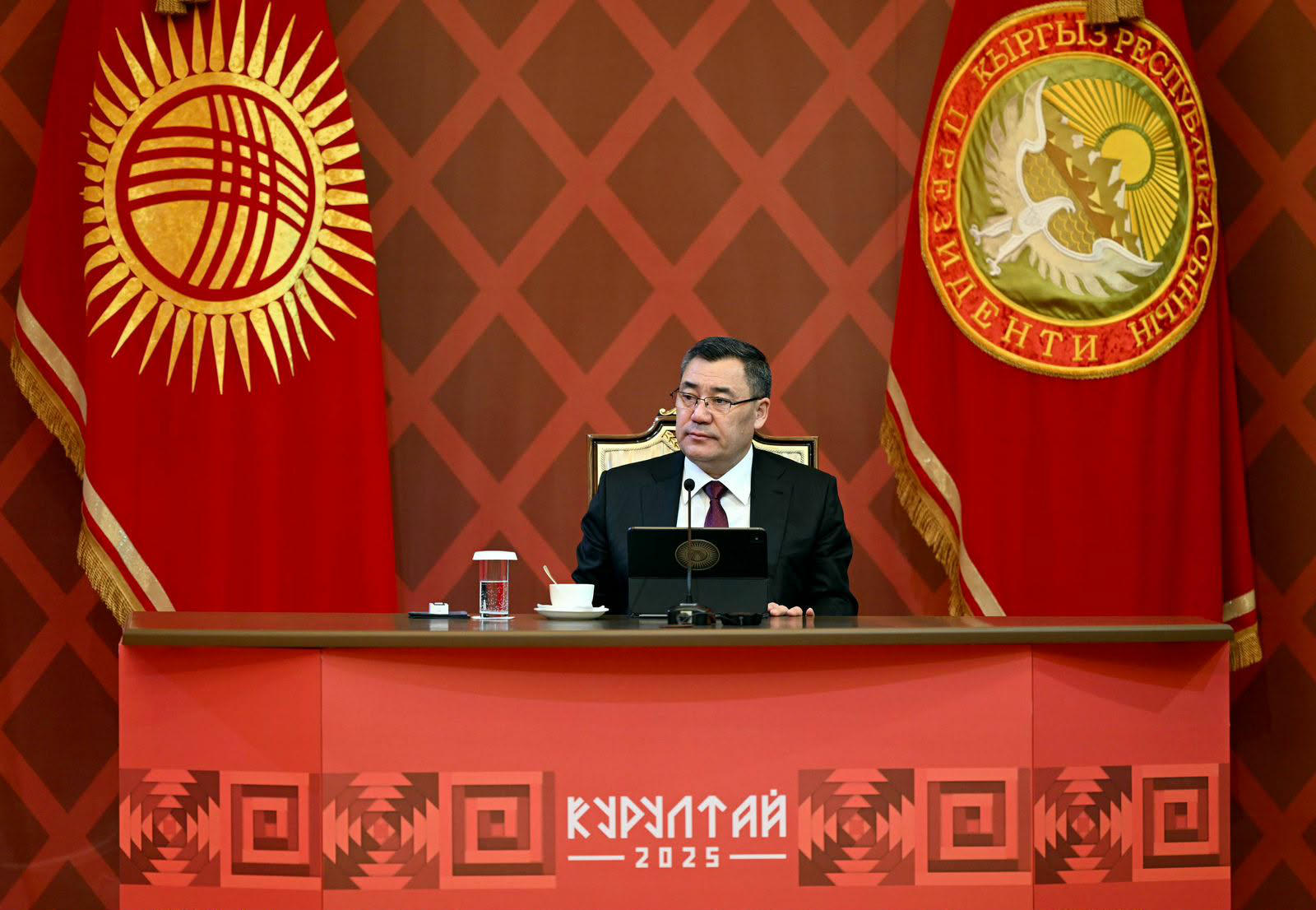
On January 28, 2026, five years will mark the appointment of Sadyr Japarov as President of the Kyrgyz Republic. This date is important not only symbolically, but also analytically: it allows us to compare Kyrgyzstan in 2020 - often viewed in international assessments as a state with an uncertain future - with Kyrgyzstan in 2025 and early 2026, demonstrating improved governance, economic dynamism, and growing regional agency.
2020: A governance crisis and economic decline
The autumn of 2020 became a moment of institutional rupture for Kyrgyzstan. A political crisis triggered by parliamentary elections coincided with the shock of the pandemic and a sharp decline in economic activity. At that time, international analysis focused less on reforms and more on a basic survival scenario for the state - whether it would retain governing capacity and remain on the international map.
Official statistics confirmed the scale of the crisis. In 2020, nominal GDP amounted to 598.3 billion Som, while the real GDP index fell to 91.4%, representing an almost 9% contraction. Investment in fixed assets declined by more than a quarter, and construction - one of the main indicators of business activity - fell to 84.1% compared to the previous year. International reserves stood at around USD 3 billion, providing the economy with limited resilience. Government policy was inevitably reactive; the goal was not development, but the prevention of destabilization.
State revival after 2021: Restoring the state’s capacity to act
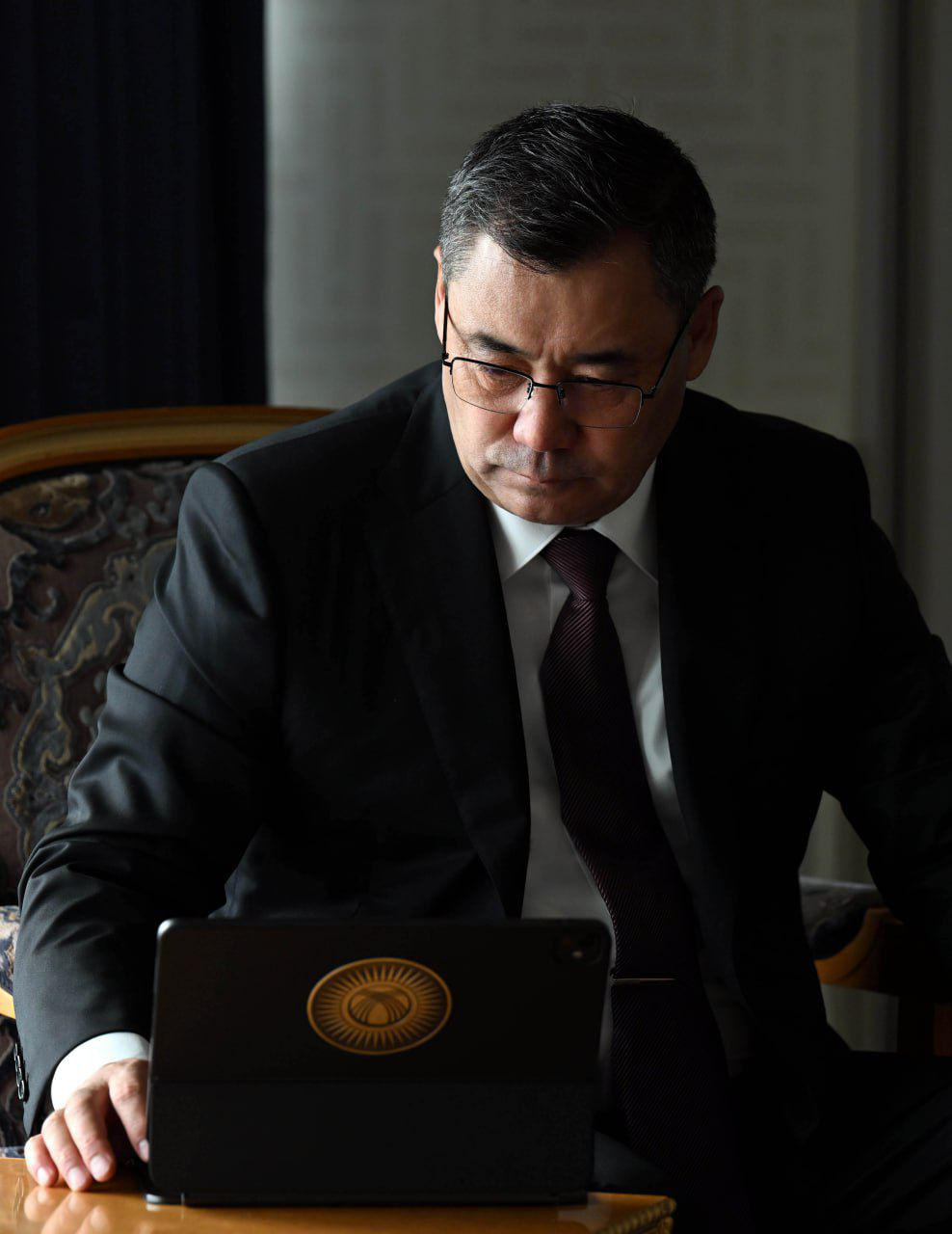
Sadyr Japarov’s assumption of the presidency in January 2021 marked a shift toward a different governance logic. The course moved toward centralized decision-making, the establishment of a strict vertical of accountability, and faster implementation. This model sparked debate about institutional quality and political competition, but in practical terms it changed a key parameter: the state regained the ability to implement its decisions.
For the economy, this meant a gradual return of predictability. Investment projects postponed in 2020 began to be implemented. Infrastructure programs were no longer dependent on political volatility, and the fact of “implementation” became more important than declarative reforms.
Five-year economic dynamics: From decline to accelerated growth
By 2025, the economic difference compared to crisis-ridden 2020 became fundamental. According to preliminary data, Kyrgyzstan’s GDP reached 1.98 trillion som - three times higher in nominal terms over five years. Real growth in 2025 amounted to 11.1%, countering the deep decline at the start of the decade and placing the country among the most dynamically growing economies in the region.
The construction sector deserves special mention, having become a clear indicator of economic change. After a sharp decline in 2020, construction entered a phase of stable growth. Total industry output in 2025 reached 438.5 billion Som, a 21% increase year-on-year. This includes not only residential housing, but also roads, utility infrastructure, social and energy facilities - that is, capital investments with long-term effects.
Investments in fixed capital also demonstrated stable growth dynamics. After a sharp fall in 2020, their volume exceeded 280 billion Som by 2025, with double-digit growth. This indicates not a one-off recovery, but the formation of a full-fledged investment cycle.
Financial stability: Reserves and the role of gold
One of the key indicators of improved macroeconomic conditions has been the growth of external reserves. Total international reserves, which stood at about USD 3 billion in 2020, exceeded USD 7 billion by September 2025 and, according to estimates, surpassed USD 8 billion by the end of the year. For a small, open economy, this represents a qualitatively new level of protection against external shocks - currency, trade, and financial.
Gold played a crucial role in this transformation. By 2025, the volume of gold in Kyrgyzstan’s reserves was estimated at 50–52 tons, equivalent to approximately USD 3.5–3.8 billion at market prices. Gold accounted for about two-thirds of reserves, increasing their resilience to currency fluctuations and geopolitical risks. Such a structure was unthinkable in the early 2020s, when the reserve base was significantly narrower and less diversified.
Regional stabilization as an economic factor
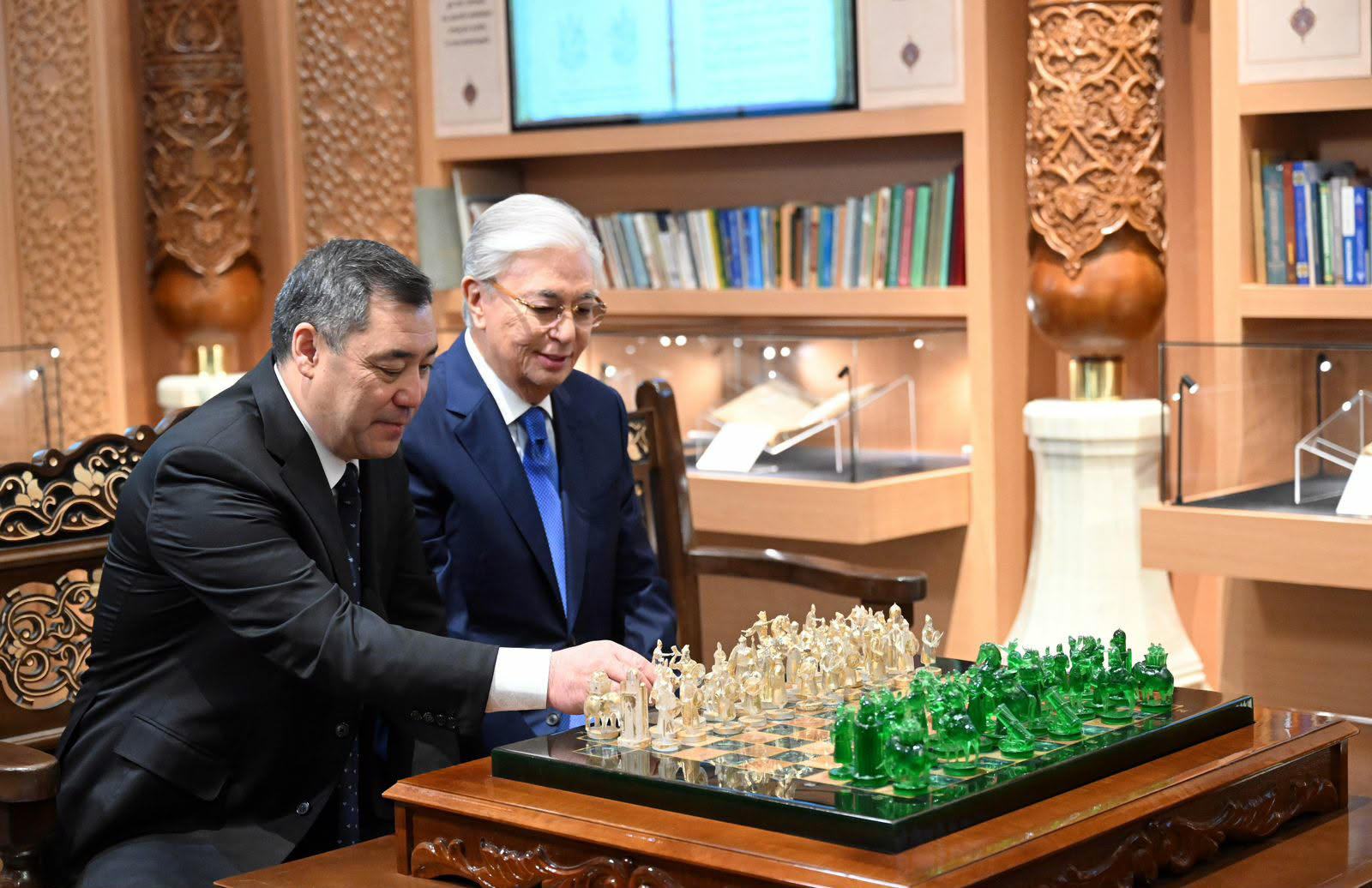
These economic changes were accompanied by significant diplomatic shifts. In 2025, Kyrgyzstan and Tajikistan signed a border delimitation agreement, closing one of the most dangerous and chronic sources of regional instability. For Kyrgyzstan, this meant reduced escalation risks in the southern regions, improved conditions for trade and logistics, and - no less importantly - greater predictability for investment. A similar process took place with Uzbekistan.
From the perspective of external partners, the agreement signaled that Bishkek was ready to resolve even the most difficult issues through political and diplomatic means rather than leaving them “frozen”.
Kyrgyzstan in a changing world: Connectivity and energy
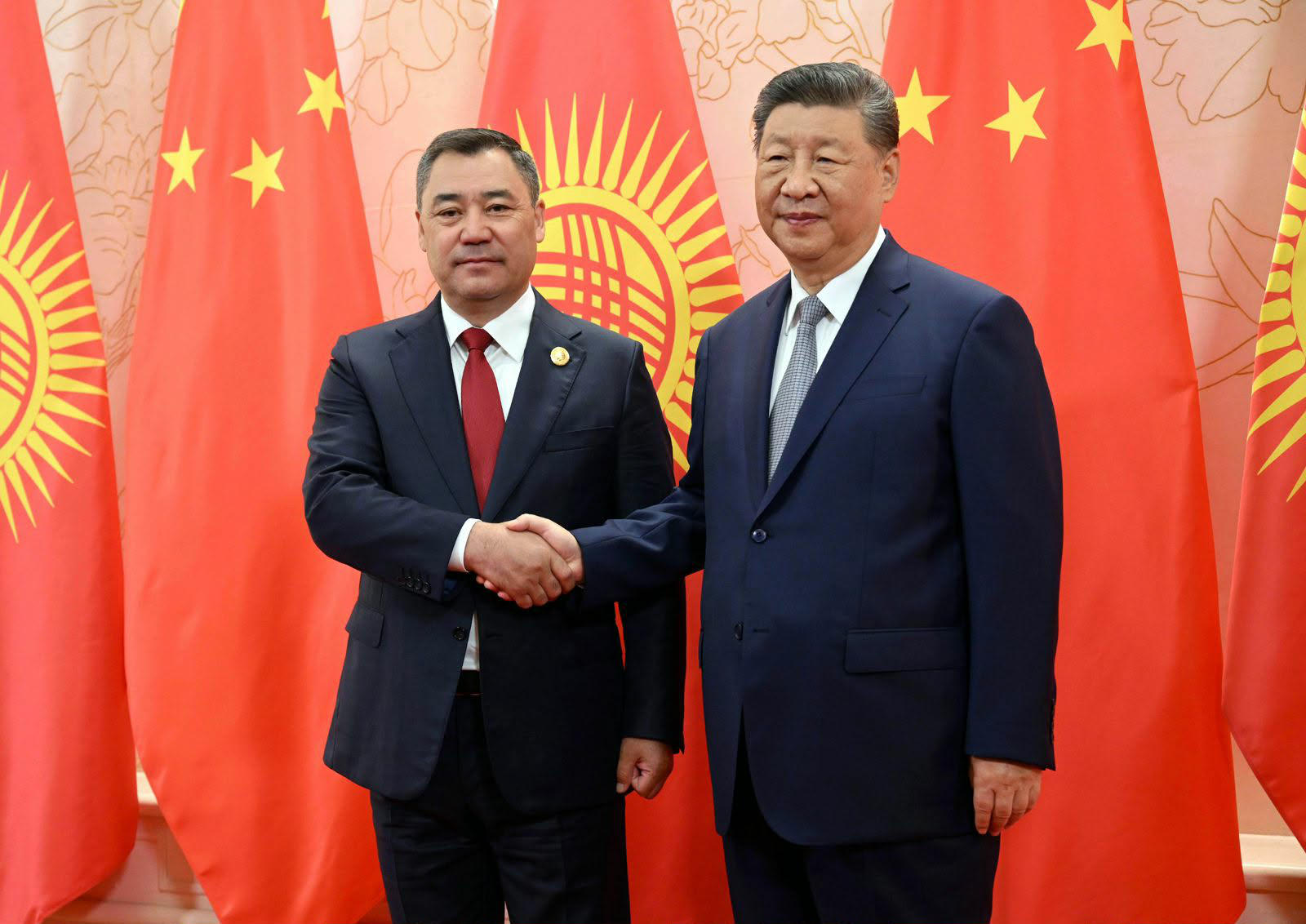
Five years of Japarov’s presidency coincided with a global restructuring of trade and logistics chains. In this context, Central Asia began to be perceived not as a periphery, but as a space of connectivity. Kyrgyzstan is gradually integrating into this logic - as a transit element of regional routes and a participant in energy projects designed for long-term cooperation.
What comes next
The five-year mark reveals a stark contrast. Kyrgyzstan in 2020 was characterized by economic decline, paralyzed investment, and doubts about governance. Kyrgyzstan in 2025–2026 is characterized by double-digit GDP growth, a large-scale construction cycle, record reserves, a high share of gold, and a significant contribution to regional stabilization.
However, the main test still lies ahead. Much of what has been achieved was made possible by political will and centralized governance. The next stage will show whether these results can be institutionalized and consolidated through rules that ensure income growth, sustainable investment, and predictability regardless of the political cycle.
So far, five years of Sadyr Japarov’s presidency allow for a cautious but clear conclusion: a country that many in 2020 considered lost in terms of long-term development has managed to regain control over its trajectory. Whether it will maintain this course is the key question of the coming decade.
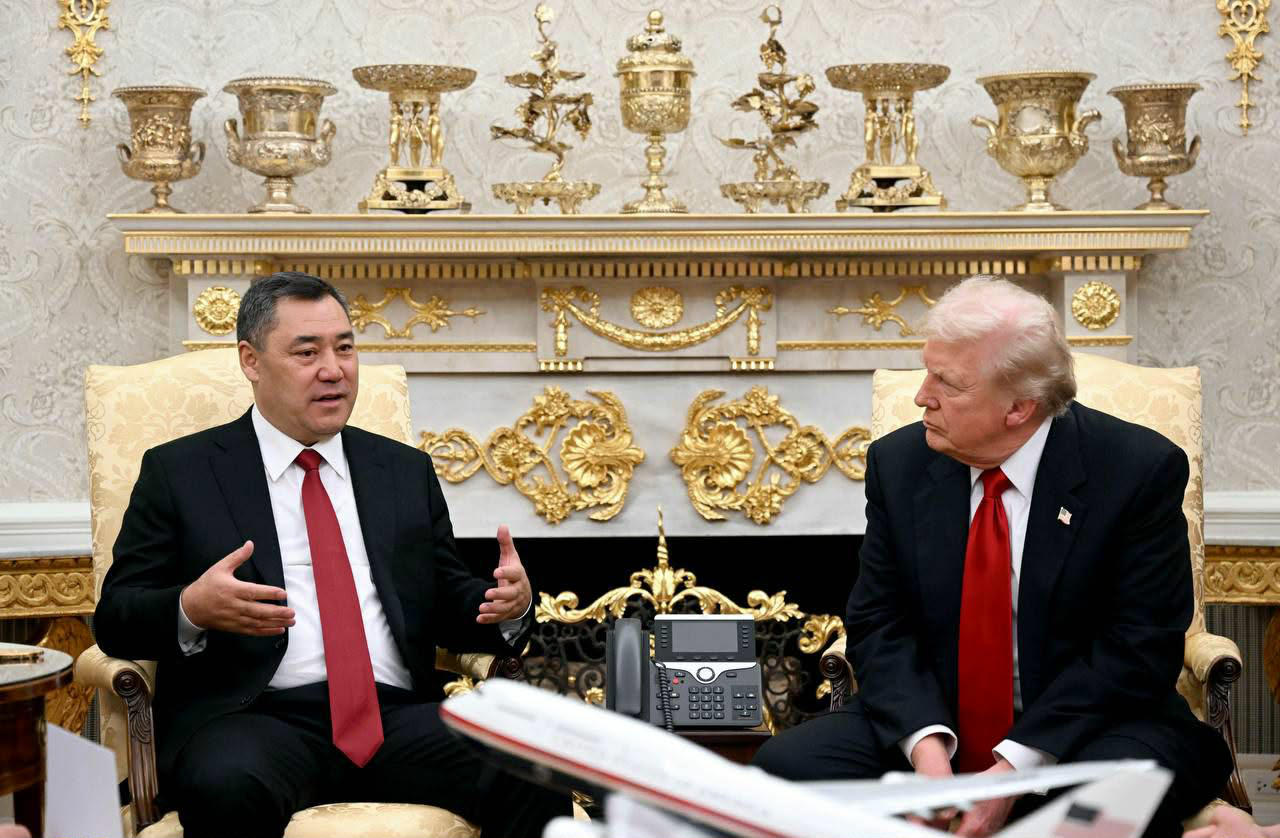
The adoption of the Kyrgyz Republic’s Development Strategy through 2030 confirms the transition from crisis management to systemic planning. With consistent implementation of this strategy under the current leadership, there is every chance that sustainable economic growth, institutional strengthening, and investment activity will become not a temporary effect, but a lasting trend. Given current dynamics, Kyrgyzstan can not only maintain its present position, but also become one of the most dynamically developing and institutionally resilient countries - turning accumulated momentum into a factor of long-term regional leadership.
vano burduli
(reformers’ club)