Tato Kelbakiani: Agreement on the "Moscow Mechanism" happens in very severe cases; if "Georgian Dream" refuses to cooperate, this will be a separate exposure and an acknowledgment that problems exist in the country
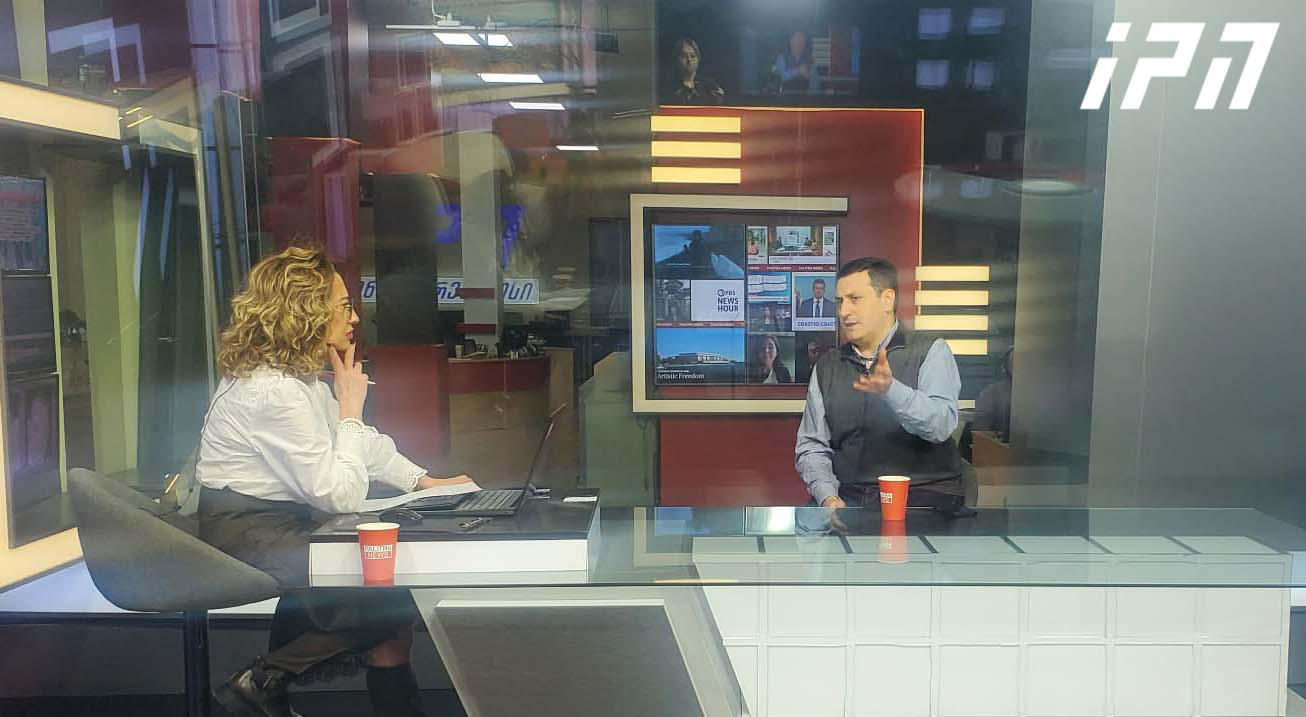
The “Moscow Mechanism” has been used only 15 or 16 times since it was introduced, and agreement on activating such a mechanism occurs only in very severe cases, said Tato Kelbakiani, head of Prevention for Progress, on PalitraNews’ program “Resume,” commenting on the activation of the “Moscow Mechanism” for Georgia, which is supported by 24 OSCE member states.
Kelbakiani explained what the “Moscow Mechanism” entails and how this instrument works.
“The Moscow Mechanism is a special monitoring and investigative mechanism created within the OSCE. It was established in 1991 and signed in Moscow, which is why it is called the ‘Moscow Mechanism.’ Its main purpose is that when, for example, a country’s internal mechanisms can no longer adequately respond to challenges and alarming information emerges in this regard, OSCE member states decide to send a special mission. This mission is composed of expert groups who study documentation, interview witnesses, and produce legal assessments, conclusions, and recommendations.
This mechanism has been used only 15 or 16 times since its inception, and agreement on such a mechanism happens only in very acute cases,” Kelbakiani said.
According to him, it will be difficult for “Georgian Dream” to obstruct the mission’s work, though any attempt to do so would constitute an additional exposure of the ruling team.
“If ‘Georgian Dream’ refuses to cooperate, that will be a separate exposure and an indirect acknowledgment that real problems exist in the country. I don’t know in advance how they will act, but it will be difficult for them to fully obstruct this mission. They will try to package or gloss over certain things, but this mission does not assess the situation solely through cooperation with the authorities. It will meet with media representatives, political parties, those who have been persecuted and subjected to political justice, various institutions, and so on. Based on this comprehensive assessment, a conclusion will be produced,” Kelbakiani noted.