Maka Bochorishvili: Criticism from Brussels is devoid of substance, lacking the content needed to be taken seriously - Georgia needs the EU, and the EU needs Georgia
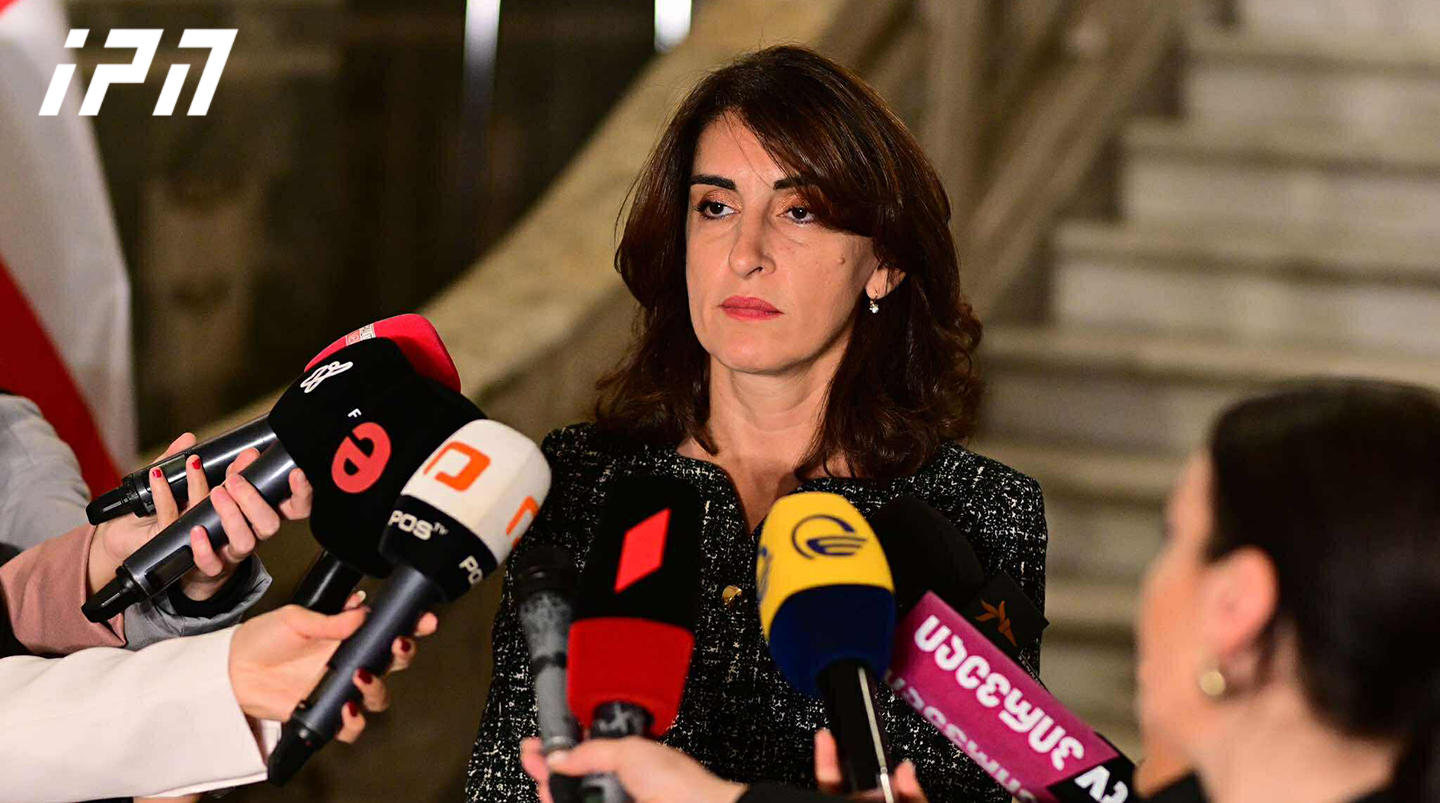
According to Georgia’s Minister of Foreign Affairs, Maka Bochorishvili, “the criticism coming from Brussels in recent times is devoid of substance and lacks the content necessary for a serious assessment.”
“We have already become accustomed to the fact that criticism coming from Brussels is completely lacking in substance. What we are hearing today is absolutely empty of content and truly lacks what criticism needs in order to be taken seriously,” the minister said.
Bochorishvili emphasized that relations between Georgia and the European Union are strategically important for both sides.
“Georgia is a country that needs the European Union, and Georgia is also a country that the European Union needs. Both sides need each other so that Europe can protect its own interests, and within Europe’s interests — and here I also mean Georgia’s interests — I firmly believe that maintaining relations in a healthy form is vital for both sides today.
From Brussels, there is no such effort, despite the fact that positions differ among member states. Many governments of EU countries also realize that the attitude toward Georgia has been unfair and that this is not in Europe’s interests. However, the bureaucracy that exists in Brussels today often harms relations through its statements and actions,” Bochorishvili said.
The minister noted that the Georgian government is focused on the country’s development and on improving living conditions for citizens.
“Georgia can take care of its own development, economic progress, and the creation of better living conditions for its citizens, in line with European standards, which we aspire to and which our citizens support. This process will allow the country to become even more attractive to various partners and relationships, while making better use of its own potential,” Bochorishvili said.
Speaking about Georgia’s transit function, Bochorishvili stressed that this is a strategic issue not only for Georgia, but also for the European Union and Europe as a whole.
“When we talk about connectivity, it is unserious for Europe to speak about connectivity while ignoring Georgia on the map. It is elementary to look at the map and understand the importance of relations with Georgia and the development of cooperation in the Black Sea between the EU and Georgia,” she said.
The minister added that, against the backdrop of global changes, the EU will have to adopt a more pragmatic approach to its relations with Georgia.
“Our expectation is that, in the context of global changes and the development of international relations, relations with Georgia will become more important for the European Union, and the EU will have to view and reassess these relations with a much more pragmatic approach,” Bochorishvili concluded.