GTU Academic Council: We oppose any restriction of university autonomy in any form, including a possible merger with TSU - we call on the government to halt the process until discussions are held and the university’s consent is obtained
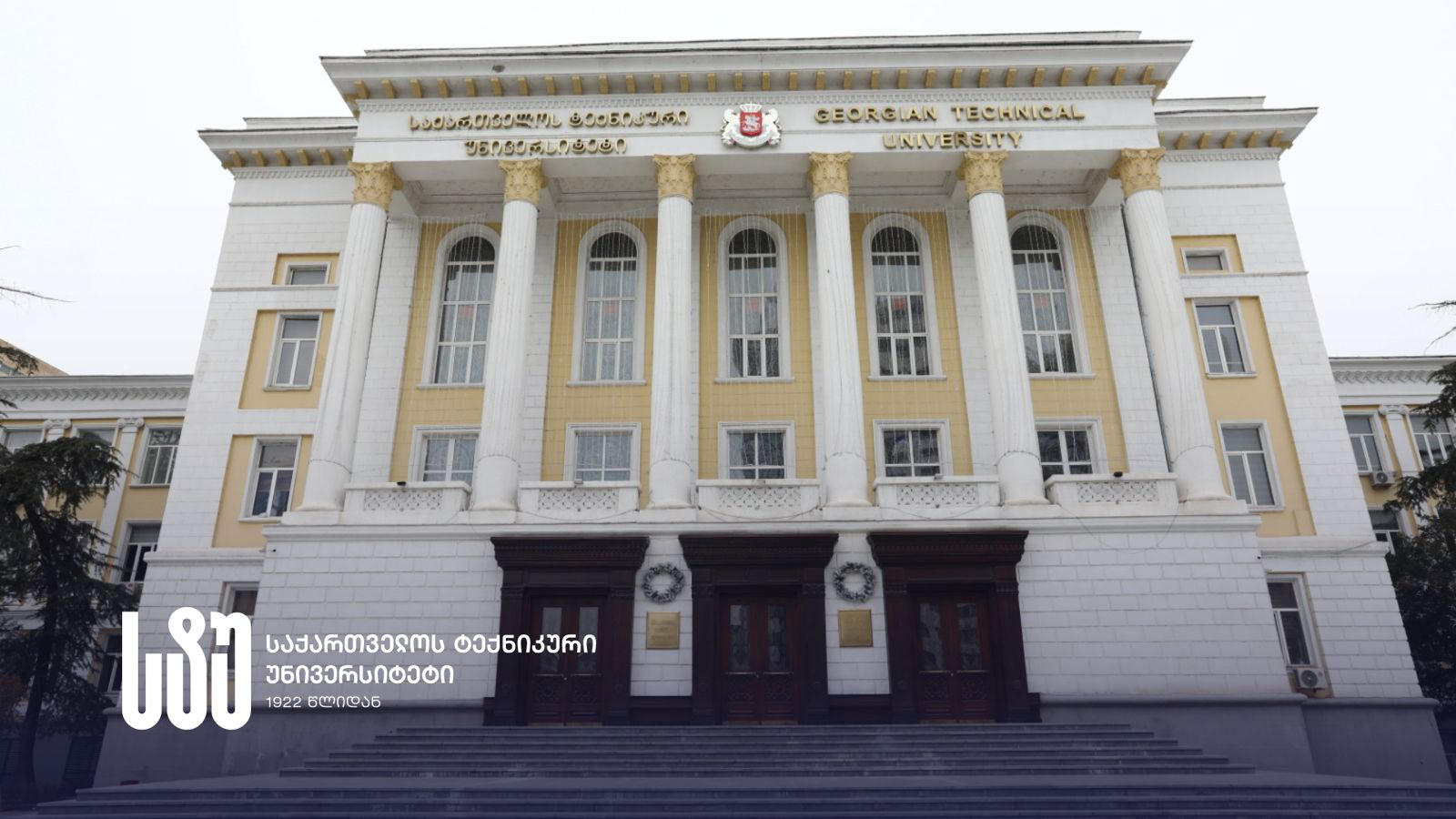
Any reorganization (merger) carried out without the participation of the governing bodies of Georgian Technical University (GTU) constitutes a restriction of the principle of university autonomy. We express our readiness to participate in any format, including in detailed discussions on university reorganization, the aim of which should be the further strengthening of the already well-established engineering school in Georgia. This is stated in a resolution adopted by Georgian Technical University regarding the possible merger of LEPL Georgian Technical University and LEPL Ivane Javakhishvili Tbilisi State University, initiated by the Government of Georgia within the framework of reforms to the Law on Higher Education.
According to the resolution, the Academic Council of Georgian Technical University calls on the Government of Georgia and the Ministry of Education to suspend the reorganization process of higher education institutions until a thorough needs assessment is conducted and a real, substantive discussion takes place.
Based on Article 21 of the Law of Georgia on Higher Education, Article 8 of the Charter of Georgian Technical University approved by Order No. 133/N of the Minister of Education and Science of Georgia dated September 9, 2013, and Protocol No. 01-05-02/02 of the Academic Council dated February 5, 2026, the Academic Council of Georgian Technical University resolves:
-
First and foremost, the Academic Council of LEPL Georgian Technical University declares its unequivocal support for the reforms announced by the Government of Georgia aimed at the development and improvement of the higher education system and confirms its readiness to participate in this urgent and essential process, in full adherence to constitutional principles and academic freedom;
-
The Academic Council of LEPL Georgian Technical University does not agree with any form of restriction of university autonomy, including a possible merger of LEPL Georgian Technical University with LEPL Ivane Javakhishvili Tbilisi State University carried out without the will and consent of the university;
-
The Academic Council declares that any reorganization (merger) carried out without the participation of the university’s governing bodies - including the Academic Council, the Representative Council (Senate), the Student Self-Government, Faculty Councils, Scientific Councils of Research Institutes, and the Rectorate - constitutes a violation of the principle of university autonomy guaranteed by Article 27 of the Constitution of Georgia;
-
The Academic Council of LEPL Georgian Technical University calls on the Government of Georgia and the Ministry of Education, Science and Youth of Georgia to suspend the adoption and issuance of subordinate normative acts related to amendments to the Law of Georgia on Higher Education (in the context of reorganization of higher education institutions) until a needs-based study is conducted, genuine and substantive discussions are held within the academic community, and the consent of the university’s collective governing bodies is obtained;
-
On behalf of the university’s academic and scientific communities, the Academic Council once again confirms its readiness to participate, in any format, together with the Government of Georgia and the Ministry of Education, Science and Youth, in detailed discussions of steps to be taken to implement relevant reforms based on the National Concept of Higher Education, including issues related to university reorganization, with the goal of further strengthening Georgia’s already robust engineering school;
-
The Academic Council shares the spirit of the higher education reform concept approved by the Government of Georgia and expresses hope that the government will also take into account the appeal of a university with a 104-year history, representing thousands of academic, scientific, administrative, and support staff, as well as students.
The resolution may be appealed within one month of publication to the Tbilisi City Court (address: 64 David Aghmashenebeli Avenue, Tbilisi).
The resolution was adopted unanimously, with 36 votes in favor and 0 against, the statement concludes.