Levan Natroshvili: The planned ban in the legislation regarding international observers does not contradict international standards, but the restriction will create problems for a number of international missions
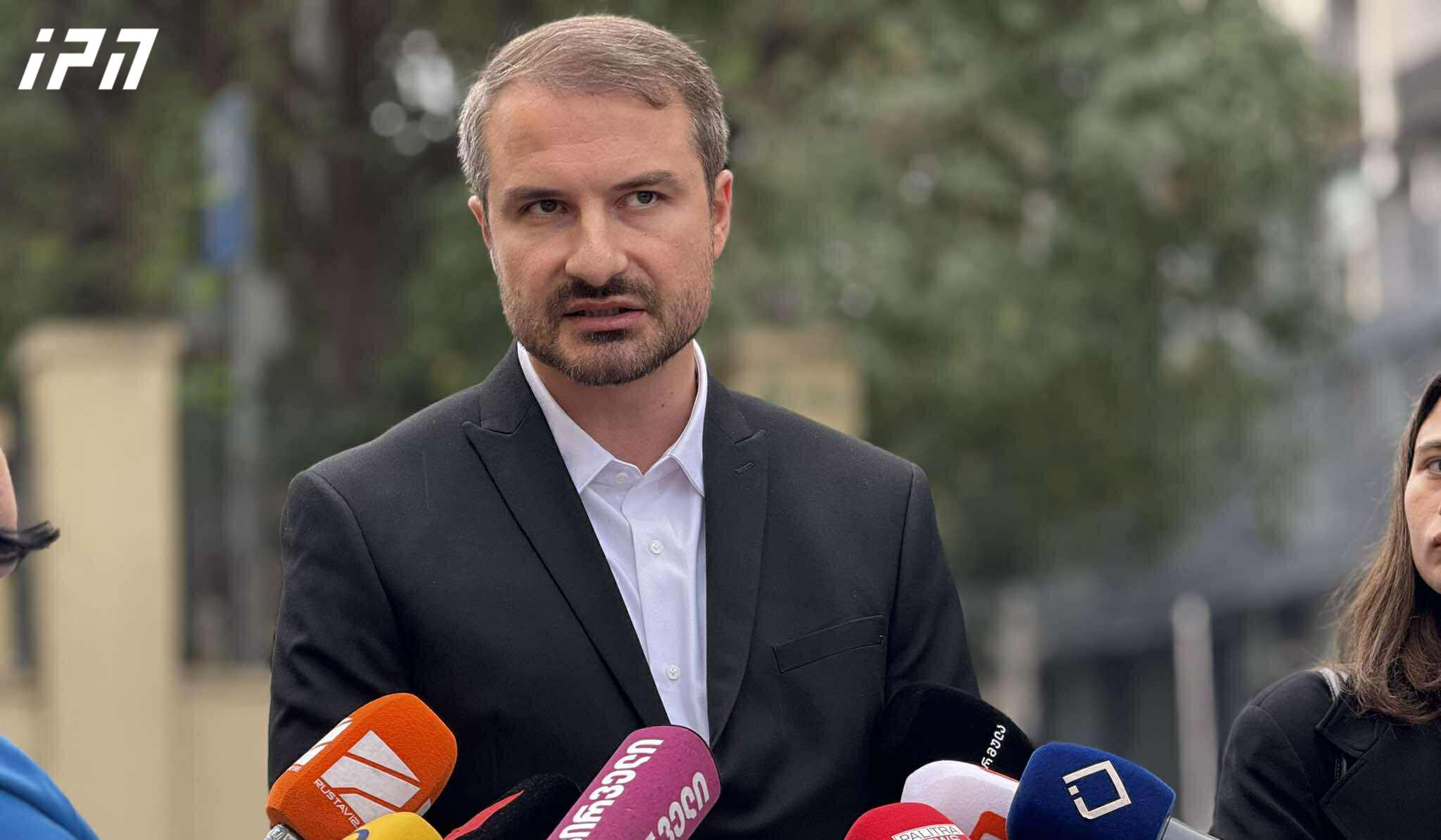
According to Levan Natroshvili, head of the non-governmental organization "Fair Elections" (ISFED), the planned ban in the electoral legislation - according to which an international observer can only be a citizen of a foreign country - does not contradict international standards, but this restriction will create certain problems for a number of international missions.
As Natroshvili explained to InterpressNews, there is no direct, mandatory norm for countries that prohibits or, conversely, allows local citizens in international missions. According to Natroshvili, this issue is left to the specific country's legislation to determine what standard to set in this regard.
Natroshvili noted that the currently effective electoral law gave international organizations freedom in this regard. According to his information, during previous elections, observers in some international organizations' missions - including those of NDI and IRI - included Georgian citizens.
"Under our legislation until now, there was no restriction based on citizenship for observers in international election observation organizations. Observers in international organizations could also be citizens of Georgia.
There is no mandatory international norm at the international level that directly states that observers in international observation organizations must necessarily be citizens of foreign countries, or conversely, that local citizens may be included. There is no mandatory international norm on this issue - whether it should be one way or the other - but there is a standard and policy that the most authoritative international organizations have, such as OSCE/ODIHR, the United Nations, the Council of Europe, and the European Union, where there is a prohibition and policy that observers in international observation missions should only be citizens of foreign countries.
We can say that such a ban corresponds to the standards of these organizations; however, as I already said, there is no direct, mandatory provision for countries to prohibit or allow local citizens in international missions. As a rule, this is left to the specific country's legislation to determine what standard to set in this direction.
From practice, in previous elections some international observation organizations, for example NDI, IRI, and others, had Georgian citizens as observers in their missions, which stemmed from limited resources. For such cases, the bill introduced in Parliament will be restrictive, because international organizations that decide to observe elections will have to register only foreign citizens as observers. Therefore, they may face certain problems in terms of attracting human resources," - states Levan Natroshvili.
"Georgian Dream" is introducing changes to the newly adopted electoral legislation. The amendments initiated in Parliament concern international election observers. The Electoral Code will stipulate that an international observer can only be a citizen of a foreign country - from the age of 18. The draft also defines the registration procedures for interpreters accompanying international observers.
According to the same amendments, the rules for photographing, video recording, and audio monitoring of election commission sessions by individuals will be determined by a resolution of the CEC (Central Election Commission).
The initiators of the amendments to the Electoral Code are members of the Legal Issues Committee.
For information: In December 2025, Parliament adopted a new edition of the Electoral Code prepared by "Georgian Dream." The new Electoral Code changed and re-regulated a whole range of rules related to elections.