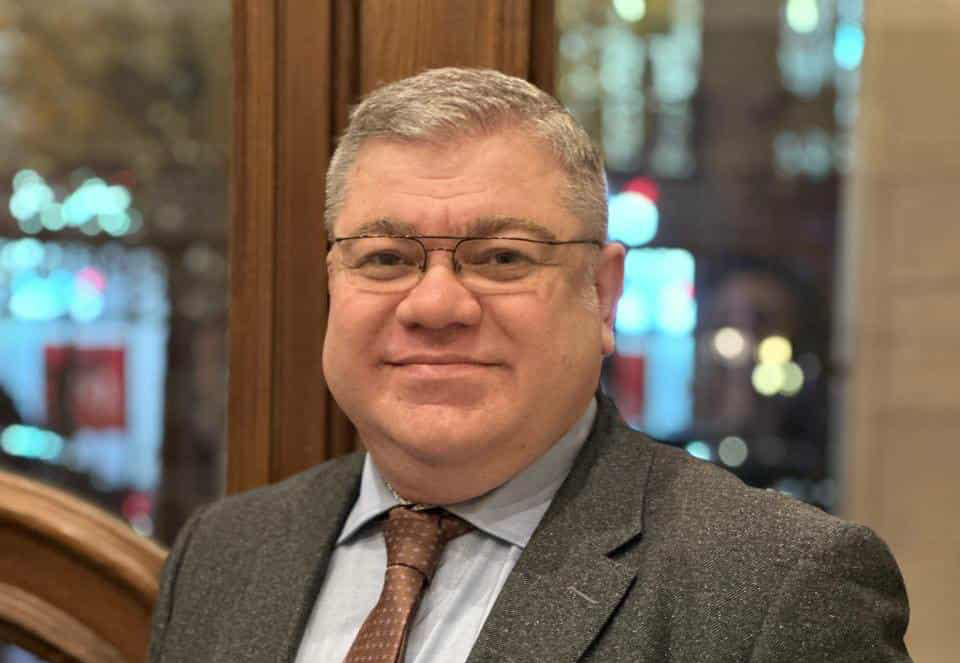
Murtaz Zodelava - Political tragedy and drama should not turn into a drama of 60 people and their families, if the entire nation is going to unite, then take these 60 people too
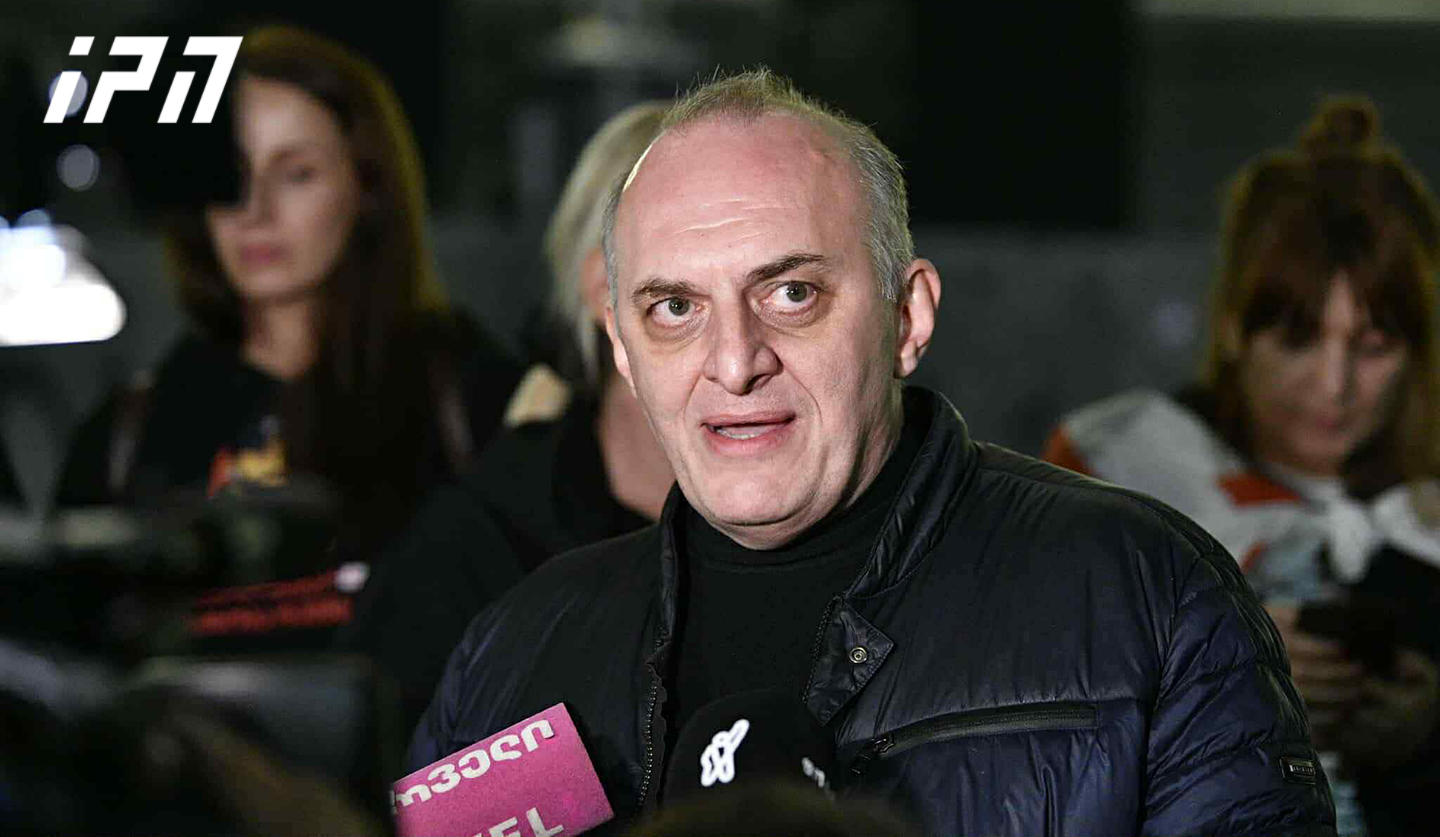
This political tragedy and drama should not turn into a drama of 60 people and their families - if the entire nation is going to unite, then take these 60 people too, - Murtaz Zodelava, the defendant in the October 4 case, stated at the trial.
According to him, after the tragedy that unfolded in the country [the death of Catholicos-Patriarch Ilia II], everyone is talking about the need for the nation to unite, so he calls on the prosecution to extend some "benefit" to the detainees who have no connection to politics.
"I'm not talking about someone releasing them two days before Easter, I'm not talking about that. I'm talking about a moderate approach, a moderate, humane approach towards an ordinary citizen. You see their family members in the hall, no one else attends our trial. I'm not talking about politicians and myself first of all, I'm talking about ordinary people, this process has turned into a social tragedy for these people. I don't mean releasing them tomorrow or the day after, but having about sixty people sentenced to 4 to 6 years in prison, for something the whole of Georgia has been doing for 30 years, i.e. going to the rally or carrying a flag or throwing stones, this is the history of Georgia, these people did the same thing that the whole of Georgia has been doing throughout the history of our independence, and this is a very big pressure on them, the second part of Article 225, completely inappropriate,” said Murtaz Zodelava.
According to him, the call made at the rally about “masculine strength” was made because during that period, systematic physical and verbal abuse of women was common.
For information, Murtaz Zodelava, Paata Burchuladze and Irakli Nadiradze were charged under Article 19-222, Part 2, Subparagraph “a” of the Criminal Code of Georgia, which refers to an attempt to seize and block objects of strategic and special importance committed by a group. They are also charged under Article 225, Part 1 of the Criminal Code of Georgia, which refers to the organization and leadership of group violence. They are also charged under Article 317 of the Criminal Code of Georgia, which refers to a call to change the constitutional order of Georgia by force and to overthrow the state government, which is punishable by up to 9 years of imprisonment.
Irakli Shaishmelashvili is charged under Article 317 of the Criminal Code of Georgia, which refers to a public call to change the constitutional order of Georgia by force or to overthrow the state government, which is punishable by up to 3 years of imprisonment.
Lasha Beridze is charged under Article 19-222, Part 2, Subparagraph “a” of the Criminal Code of Georgia, which pertains to an attempt to seize and block objects of strategic and special importance, committed by a group. He is also charged under Part 1 of Article 225 of the Criminal Code of Georgia, which involves organizing and leading group violence.
Irakli Chkhvirkia, Nika Gventsadze, and Tornike Mchedlishvili are charged under Subparagraph “a” of Part 2 of Article 19-222 of the Criminal Code of Georgia, which involves an attempt to seize and block strategic and special importance objects, committed by a group. He is also charged under Part 1 of Article 225 of the Criminal Code of Georgia, which involves organizing and leading group violence. The aforementioned act is punishable by 6 to 9 years of imprisonment.
Guri Zhvania is charged under Part 2 of Article 225 of the Criminal Code of Georgia, which pertains to participation in group violence.
Paata Manjgaladze is charged under Part 1 of Article 225 of the Criminal Code of Georgia, which pertains to organization of group violence. The aforementioned act is punishable by imprisonment for a term of 6 to 9 years.