Guram Macharashvili: The conclusion of the price regulation commission does not address the challenges - This document is more academic in nature, while parliament is a political body that should give the government a concrete plan and assignments
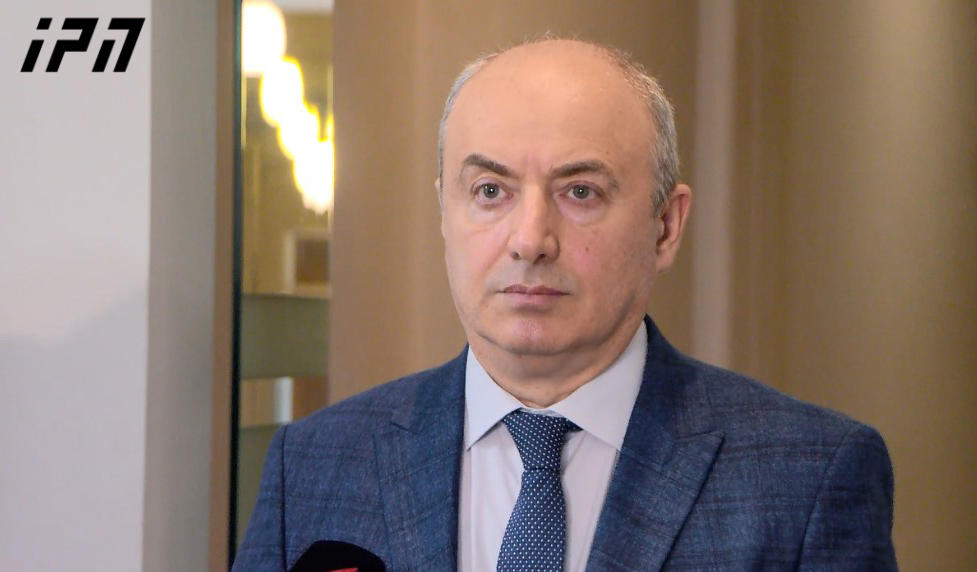
“The commission’s conclusion did not respond to the challenges that the government itself announced at the end of last year. This document is more academic in nature, and parliament is not a scientific institution — it is a political body that should provide the government with a concrete plan and specific assignments,” said Guram Macharashvili, a member of the People’s Power, regarding the conclusion of the temporary parliamentary commission studying prices.
According to him, the conclusion document lacked specificity in terms of implementation, which is why People’s Power refrained from supporting it. Asked whether the document would receive their support during a plenary session of parliament, Macharashvili stated that since the document was prepared by a temporary commission, the parliamentary bureau must first decide whether it will even be brought to the session floor.
“First of all, we should say that this commission conclusion did not respond to the challenges that the government itself announced at the end of last year. There was discussion about cartel agreements, which means there was no healthy competition and, accordingly, prices for certain products were high because of that. There was also discussion that product prices in Georgia are significantly higher than the prices of the same products in Europe, and after several months we did not see all of this reflected in the commission’s conclusion from the standpoint of implementation.
There are indeed findings here at the level of general concepts. This concerns the creation of a regulator, long-term policy, short-term perspectives, and the development of competition, but there is no specificity. That means this document is more academic in nature. Parliament is not a scientific institution; it is a political body that should provide the government with a concrete plan and assignments and then hold it accountable accordingly.
In this conclusion, we did not see even after one or two months who should be held accountable, what plan the executive government has, or whether it has any plan at all regarding this issue. The document does not even specify, for example, within what timeframe the executive government should respond. In reality, this conclusion was more of an expression of desire, and society, as well as we ourselves, already wanted prices to be regulated.
Parliament is the body that oversees the executive government, and it should issue concrete assignments along with specific deadlines within which parliament will demand action from the executive branch. This was the reason why we did not support the conclusion.
Procedurally, the conclusion will be submitted to the bureau. Since this is a temporary commission and not an investigative commission, the bureau decides whether the conclusion will be brought to the session floor or not, so we will wait and see whether it will be discussed during the session.
This commission revealed many things. In the chairperson’s final remarks there were many findings, including in the conclusion itself, regarding what the problems are, and we naturally welcome that and consider it correct. However, if there is no implementation mechanism, it will remain only at the level of desire — that is the main problem. This conclusion should contain instructions for the executive government to present parliament with a plan outlining within what timeframe and by what methods it intends to solve the problems identified by the commission,” Macharashvili said.