Shalva Kereselidze to Natia Turnava: What obligation did you have towards Otar Partskhaladze, or from whom did you receive instructions, that you sacrificed the reputation of Georgia’s entire banking system for the survival of one sanctioned person?
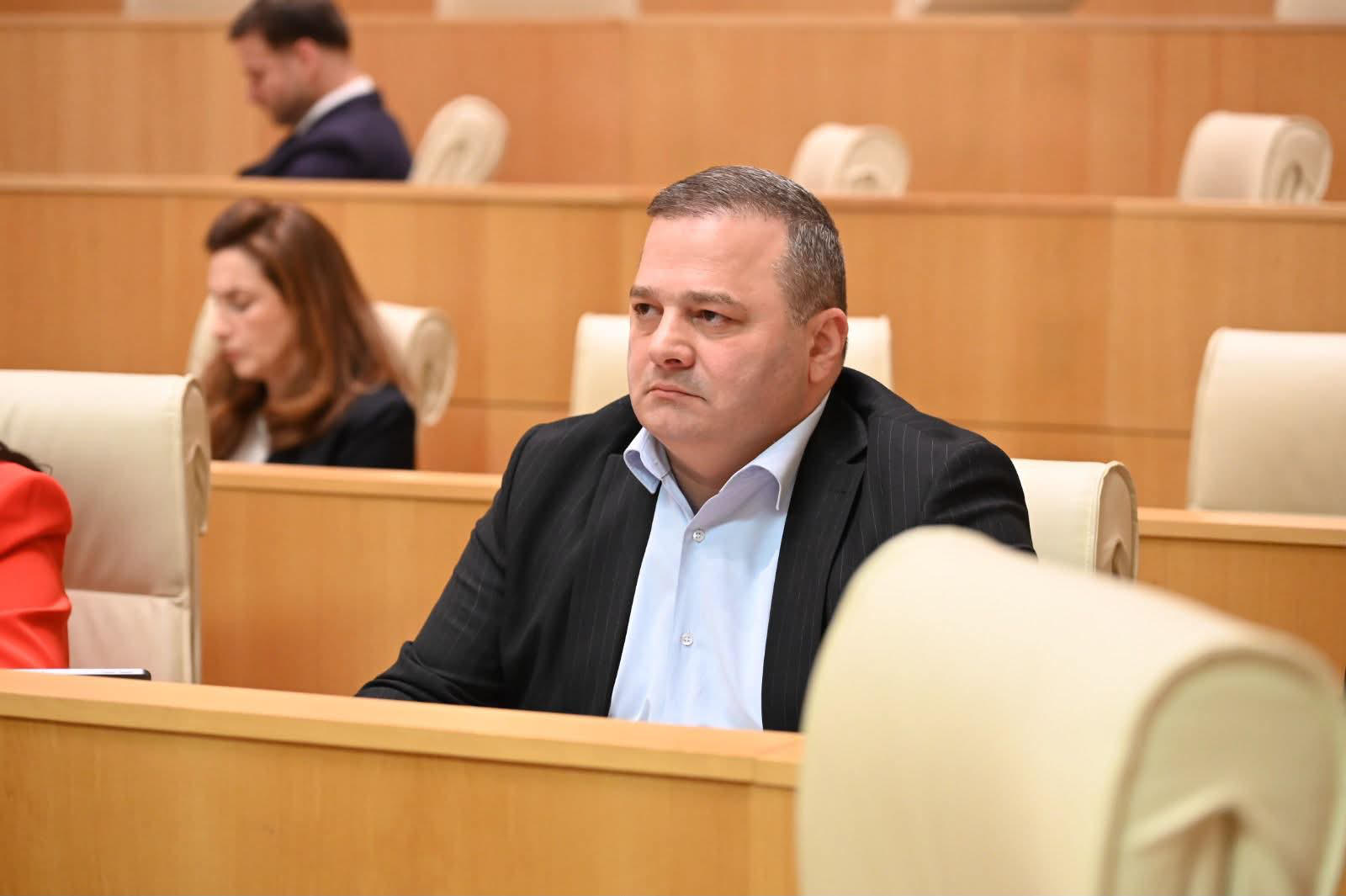
Why did you put the reputation and safety of the National Bank of Georgia at risk because of one sanctioned individual? - what obligation did you have toward Mr. Otar Partskhaladze, or from whom did you receive such an order or political instruction, that in order to protect Partskhaladze financially you sacrificed the entire banking system of Georgia and its reputation? - this question was posed by the Chair of the “For Georgia” faction, Shalva Kereselidze, to the President of the National Bank, Natia Turnava, who appeared in Parliament with her annual report.
Kereselidze also asked which political instruction or whose directive led to changes in legally established rules.
“The whole society expected a strict position from you and your institution. Do you think people believe that this was your personal decision and that it coincidentally aligned in time and politics with Partskhaladze’s interests?” - Shalva Kereselidze told Natia Turnava.
He also raised another question regarding high interest rates and bank profits, asking why National Bank policy has effectively become a guarantee of super-profits for banks.
“You maintained an 8% refinancing rate throughout the year. At the same time, commercial banks achieved record profits, while businesses and citizens were left with expensive, high-interest loans. This was also confirmed at the parliamentary commission on food price monitoring, where farmers, entrepreneurs, and small and medium businesses unanimously pointed to expensive loans as a major problem.
Why has National Bank policy effectively become a guarantee of super-profits for banks?
Despite the ‘responsible lending’ policy, a significant part of the population is still dependent on loans and spends a very large share of their income on expensive credit. Do you have an assessment of how many households spend a critical portion of their income on loans, and why has the National Bank failed to reduce the extremely high level of over-indebtedness?” Kereselidze said.