European Parliament report - We demand that the Kulevi terminal be included in future sanctions if the Georgian authorities and terminal’s operators do not strictly comply with EU sanctions
Georgia’s alignment with the EU’s foreign and security policy has dropped to 40%, according to the report adopted by the European Parliament.
According to the report, the European Parliament regrets that the level of Georgia’s alignment with statements by the Vice-President of the Commission / High Representative of the Union for Foreign Affairs and Security Policy and with Council decisions on sanctions has further decreased from 53 % in 2024 to 40 %, demonstrating its lack of commitment to European integration; is particularly disappointed that Georgia did not systematically align with international and EU initiatives in support of Ukraine, including on resolutions adopted by the UN General Assembly, the UN Human Rights Council and the Council of Europe, and has instead strengthened its relations with Russia and supported Russian narratives that aim to shift responsibility for the war of aggression and the crimes committed by Russia.
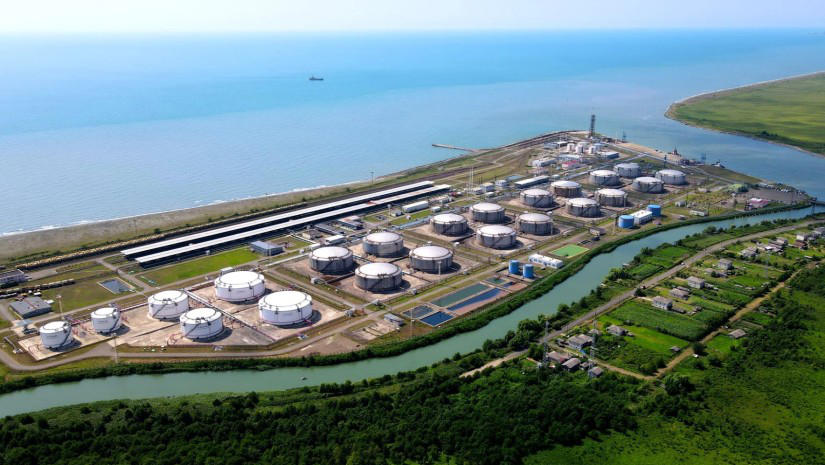
The European Parliament is concerned by the potential use of Georgian ports, refining infrastructure and oil-handling facilities to facilitate the re-export or blending of Russian petroleum products in order to circumvent international sanctions regimes; expresses serious concern over reports that Russian crude oil is being shipped to Georgia’s newly built and partially state-financed Kulevi refinery on the Black Sea coast; calls on the Georgian authorities to immediately halt and prevent any such activities and to ensure that Georgian infrastructure is not used to facilitate the circumvention of EU sanctions on Russia; notes that the Kulevi Oil Terminal was not included in the 20th EU sanctions package against Russia based on the commitments from the Georgian authorities and the terminal’s operator that they would strictly comply with EU sanctions; calls for its inclusion in future sanctions if the Georgian authorities and the terminal’s operators do not strictly comply with EU sanctions; calls for enhanced cooperation between the EU and international partners to ensure the full enforcement of restrictive measures.
The European Parliament notes that Georgia has still not aligned with the vast majority of sanctions against Russia, Belarus and Iran; calls on the Georgian authorities to adopt verifiable measures and strengthen cooperation and customs monitoring to prevent the territory of Georgia and/or legal entities registered in Georgia from being used to circumvent EU restrictive measures; considers the current level of alignment and enforcement efforts to be manifestly insufficient and incompatible with the responsibilities of an EU candidate country; stresses that more decisive action is urgently required, including full alignment with EU restrictive measures, effective monitoring and enforcement mechanisms, and transparent cooperation with EU institutions to prevent sanctions evasion, including concerning dual-use goods, oil exports and financial flows linked to Russian and Iranian entities; warns that continued failure to align with the EU’s foreign policy and sanctions regime will have direct consequences for Georgia’s EU accession process; calls for the EU and its Member States to continue closely monitoring Georgia’s compliance with the EU sanctions regime, including risks of sanctions circumvention through Georgian territory or entities registered in Georgia”.
According to the report, the European Parliament is concerned by the potential use of Georgian ports, refining infrastructure and oil-handling facilities to facilitate the re-export or blending of Russian petroleum products in order to circumvent international sanctions regimes; expresses serious concern over reports that Russian crude oil is being shipped to Georgia’s newly built and partially state-financed Kulevi refinery on the Black Sea coast; calls on the Georgian authorities to immediately halt and prevent any such activities and to ensure that Georgian infrastructure is not used to facilitate the circumvention of EU sanctions on Russia; notes that the Kulevi Oil Terminal was not included in the 20th EU sanctions package against Russia based on the commitments from the Georgian authorities and the terminal’s operator that they would strictly comply with EU sanctions; calls for its inclusion in future sanctions if the Georgian authorities and the terminal’s operators do not strictly comply with EU sanctions; calls for enhanced cooperation between the EU and international partners to ensure the full enforcement of restrictive measures.