Viktor Kipiani - It is very thought-provoking and regrettable to hear that the Russian Foreign Ministry considers our country a natural partner
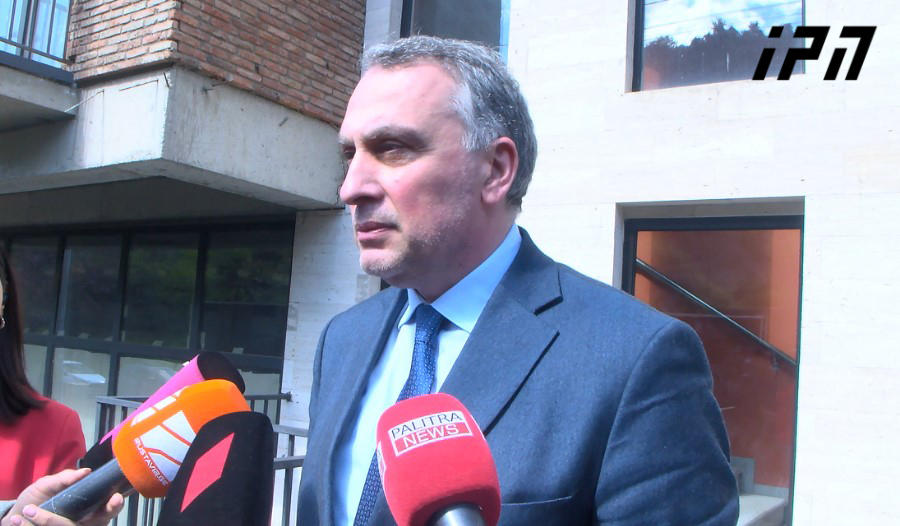
I call on everyone, first of all those who are in charge of the country, to be especially careful with their words. Concentrating on statics and shifting the focus only to the issue of party power and thereby overshadowing the national interests of the country is once again dangerous and harmful, - Viktor Kipiani, chairman of the political party Georgia First, told journalists.
According to him, raising a number of questions regarding the August 2008 war and seeking vague answers, which we hear, is a dangerous and harmful experiment.
"As for the statements we have heard in recent days, it is strange, there are questions to which society should have solid answers. It is clear that there are certain questions about the 2008 military campaign, about the communication campaign that existed at that time, but raising such fundamental questions: who is the aggressor, the occupier, who started it, how developed it, how it continued, raising these questions and seeking vague answers, which we hear, is a dangerous and harmful experiment.
In addition to human harm, it endangers the country's international legal positions.
I call on everyone, first of all those who are at the helm of the country, to be especially careful with their words. Concentrating on statics and shifting the focus only to the issue of party power and thereby covering the country's national interests, is once again dangerous and harmful," Kipiani noted.
In addition, he also assessed the statement of the Deputy Minister of Foreign Affairs of Russia, Mikhail Galuzin, where Galuzin says that “Russia and Georgia are natural partners of each other”.
According to him, “it is very thought-provoking and regrettable to hear that the Russian Ministry of Foreign Affairs considers our country a natural partner”.
“I would like to ask the Georgian society: is such an assessment of the Russian Ministry of Foreign Affairs comfortable? How calmly does they perceive such an assessment, what led to such a statement?
In my opinion, this is very offensive. It raises the question: in what situation are we, as a country, as a society, are we going to put up with this and continue like this?” - Kipiani noted.