Maia Butsashvili: This summer, intestinal infections have become a bigger problem than in previous years; salmonella is also frequent this year
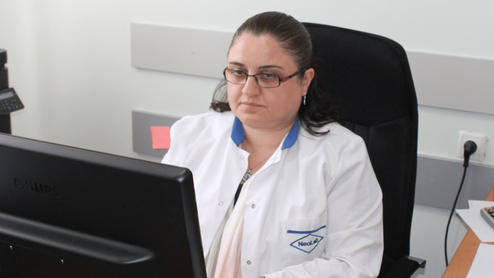
This summer, intestinal infections have become a bigger problem than in previous years - salmonella is also frequent this year, infectious disease specialist Maia Butsashvili writes on social media.
According to her, it would be good if the National Center for Disease Control periodically shared data on which intestinal infections are dominant this season and which resorts pose a higher risk in this regard.
“This year, just like in summer in general, a large number of people are returning from resorts with diarrhea (especially from the seaside). I cannot present statistical data, and the patients of one ordinary infectious disease specialist cannot serve for statistical analysis, but I will share my observation that this summer intestinal infections have become a bigger problem than in previous years. However, it would be good if the National Center for Disease Control periodically shared data on which intestinal infections are dominant this season and which resorts pose a higher risk in this regard.
The data on which infections are causing diarrhea this season is of decisive importance for clinical management - viral, bacterial and parasitic diseases require different management, and when a doctor knows the epidemiological situation before receiving the results of tests, that is, which infection has a high probability, this helps him/her a lot.
In cases of diarrheal diseases, appropriate stool examinations should be carried out. This year salmonella is frequent, although intestinal viral infections are also encountered.
Antibiotic therapy should not be started arbitrarily (it complicates diagnostics and sometimes also aggravates the diarrheal disease).
Infusion is not necessary if the patient is adequately taking fluids. Infusion is a one-time replenishment of fluid and is used in emergency cases when the patient cannot take fluids or there are symptoms of dehydration. This cannot replace the need for fluid intake, and the patient should continue drinking fluids throughout the day even after the infusion.
It is not necessary to take a large number of probiotics, ‘stomach medicines’ and various medications of unclear indications, which patients often take simultaneously or sometimes one, sometimes another, chaotically, and with so many medicines they further burden the inflamed digestive system.
‘So shouldn’t one take any medicine at all?’ - in the majority of cases, no, and the symptoms will pass anyway. Meanwhile, people are grateful to some medicine or infusion and think that it ‘saved’ them.
Important and noteworthy symptoms for which medical assistance is necessary: bloody stool; excessive sleepiness; clouding/change of consciousness; persistent fever that does not respond to standard antipyretics; strong, attack-like abdominal pain.
Just because a patient has a fever, is vomiting or has diarrhea, calling an ambulance is not necessary, nor is hospitalization (especially if the patient is a healthy young person), which is a very frequent scenario.
Exceptions are infants, the elderly, and persons with chronic diseases, where hospitalization may indeed often become necessary,” Butsashvili writes.