GYLA: The Council of Europe Commissioner for Human Rights has submitted a third-party intervention in the so-called FARA case at the Strasbourg Court
According to the Georgian Young Lawyers’ Association (GYLA), the Council of Europe Commissioner for Human Rights calls on the “Georgian Dream” government to ensure a free and safe working environment for the civil sector in accordance with international obligations.
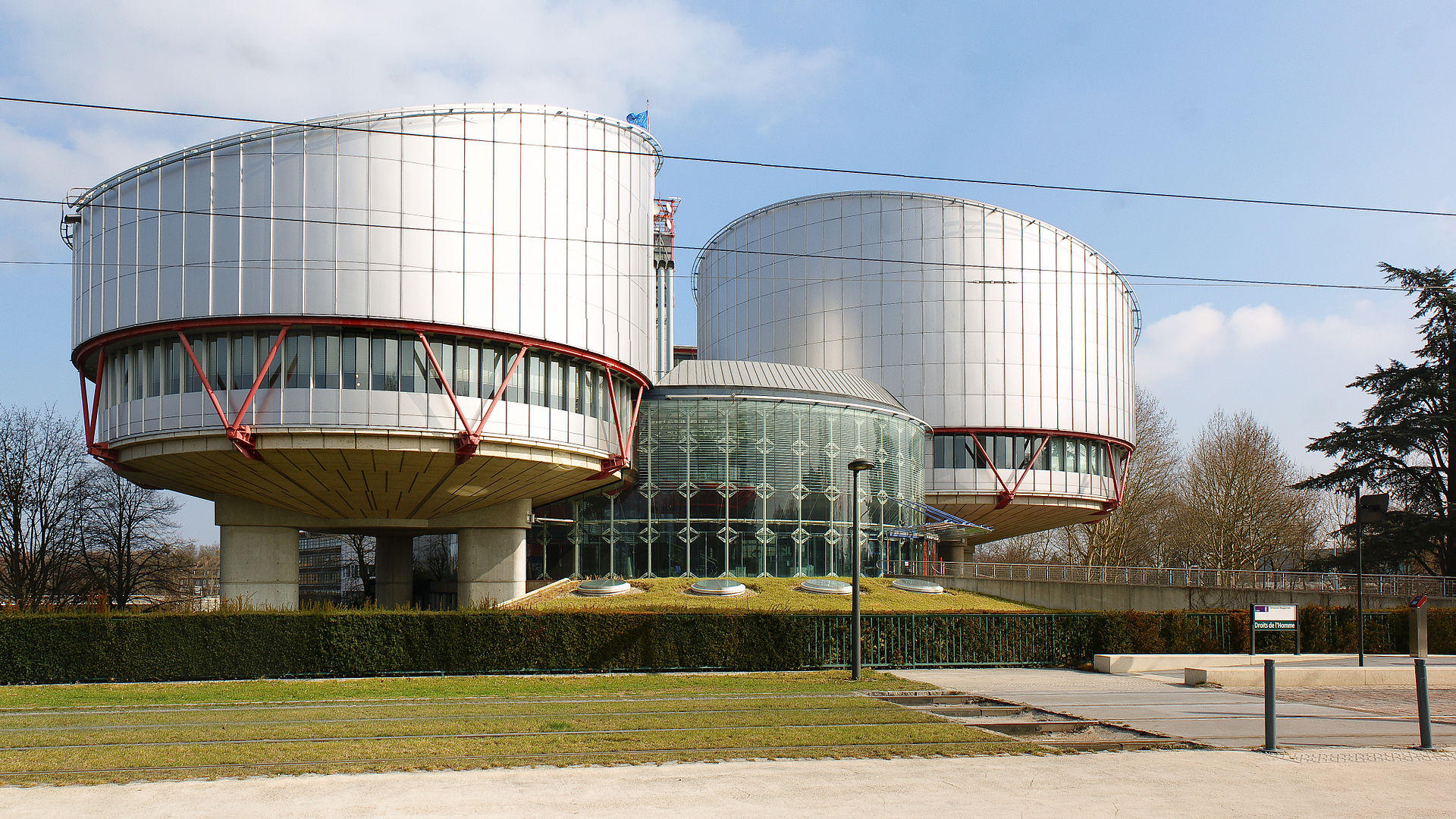
According to the organisation, the Council of Europe Commissioner for Human Rights addressed the European Court of Human Rights in order to intervene as a third party in the so-called FARA case. The Commissioner submitted a written third-party opinion to the European Court, which, according to GYLA’s statement, includes not only an analysis of the above-mentioned law but also additionally examines the legislative context of the past two years.
According to GYLA, the Commissioner had previously also intervened as a third party in the so-called Russian law case pending before the Strasbourg Court.
“The Commissioner considers that the adoption of the ‘Foreign Agents Registration Act’ constitutes part of the restrictions directed against civil society and has a negative impact on the work of media outlets and those non-governmental organisations that work on human rights, democracy and the rule of law. In his assessment, the provisions of the law contradict the criteria of legality, legitimacy, necessity and proportionality established by the European Convention (Articles 10 and 11 of the European Convention), as well as the principle of non-discrimination (Article 14). Furthermore, in the Commissioner’s position, the law contains vague formulations and interprets ‘political activity’ excessively broadly, which blurs the line between legitimate international cooperation and covert foreign interference and makes it difficult to understand to whom the law applies. The Commissioner notes that the law creates a regime of administrative control that, in its severity, is equated with Russian ‘foreign agents’ laws and establishes criminal liability of up to 5 years’ imprisonment for any intentional violation of the rules.
In addition, the Commissioner notes that the use of the term ‘agent’ has a negative connotation in public perception and that the adoption of this law leads to the stigmatisation of the civil sector. This is further reinforced by the government’s campaign of referring to non-governmental organisations and human rights defenders as ‘enemies of the state’. The Commissioner also points out that the law deliberately targets specific natural or legal persons who receive foreign funding, which is why he considers such differential treatment unjustified. Based on these findings, the Commissioner assumes that the Court may consider the adoption of the law as part of the broad restrictions aimed at intimidating organisations critical of the government and discrediting civil activists.
The Commissioner does not consider this law in isolation and assesses it in conjunction with other repressive legislative changes. In particular, approximately 6 months before the adoption of the ‘Foreign Agents Registration Act’, the law ‘On Transparency of Foreign Influence’ (‘Russian law’) entered into force. The above-mentioned law obliges organisations and media outlets that receive more than 20% of their funding from abroad to register as ‘organisations carrying the interests of a foreign power’. The Commissioner emphasises that both laws are in force simultaneously. Furthermore, the Commissioner notes that on 1 April 2025 the Parliament introduced amendments to 14 different laws and abolished the mandatory participation of civil organisations in the process of public decision-making. On the same day, amendments introduced to the ‘Law on Broadcasting’ prohibited ‘foreign powers’ from directly or indirectly financing audio-visual broadcasters or purchasing services from them, while the National Communications Commission was given increased powers to issue warnings, impose fines, and suspend or revoke licences.
The Commissioner notes that amendments were also gradually introduced to the ‘Law on Grants’: according to the amendments of 16 April 2025, foreign donors need government permission to issue a grant, and receiving an unauthorised grant results in a fine of double the amount of the grant; on 12 June 2025 the definition of a grant was expanded and also covered technical assistance (transfer of technologies, knowledge or expertise); while on 4 March 2026 any monetary or material transfer that may be used for the purpose of influencing the authorities or society was included in the definition of a grant, and permission also became necessary for issuing a grant to legal entities existing abroad whose activities concern Georgia. In addition, with the amendments of 4 March 2026, administrative liability was established in the Criminal and Administrative Codes for commercial entities for ‘political activity’, and criminal liability for the repetition of the same act. For violation of the ‘Law on Grants’, a criminal penalty of imprisonment of up to 6 years was established, while for money laundering for the purpose of ‘political activity’ - imprisonment of up to 12 years.
The Commissioner notes that, in parallel, amendments also affected the Organic Law ‘On Political Associations of Citizens’, according to which persons employed in organisations whose annual income of more than 20% comes from foreign sources were prohibited from joining a political party for 8 years after the termination of the employment contract. With the amendments adopted on 26 June 2025 to the ‘Law on Freedom of Speech and Expression’, the definition of defamation was changed and the burden of proof was shifted from the plaintiff to the defendant, which may contribute to self-censorship. In addition, in connection with the ongoing protests, the Parliament adopted several laws in a short period of time, without consultations with civil society and the Public Defender, which strictly restricted freedom of assembly.
Accordingly, the Commissioner considers that effective promotion of the role and functioning of civil society organisations is vital for a healthy democracy. Their rights to freedom of association and expression must be protected in the legislation and practice of the member states. The obligation to support and maintain a safe and enabling environment for civil society and human rights defenders so that they can carry out their activities unhindered was once again confirmed at the highest level in the Reykjavik Declaration of May 2023. The above-mentioned legislative changes contradict these principles and pose a threat to democracy. Therefore, the Commissioner calls on the ‘Georgian Dream’ government to ensure a free and safe working environment for the civil sector in accordance with international obligations,” we read in the information disseminated by GYLA.