The National Environment Agency explains what processes caused the disaster in Shovi
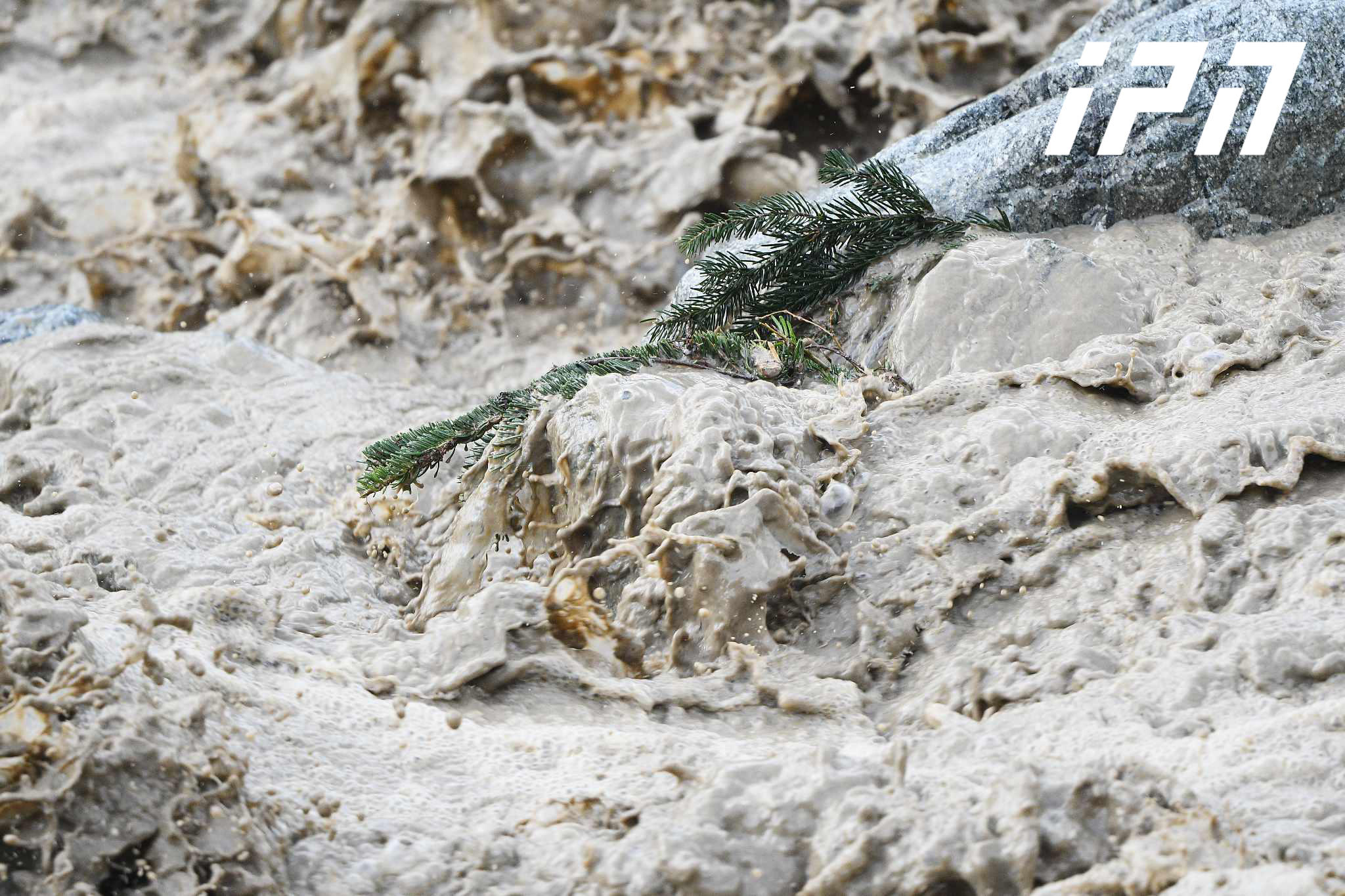
The National Environment Agency explains what processes caused the disaster in Shovi.
According to the information spread by the agency, 5 processes coincided during the disaster. In particular, according to them, the intense melting of the glaciers - Buba and Tbilisa and the subsequent precipitation brought the solid sediment in the valley into dynamics, active lateral erosion processes developed, and also there was a washing of the banks, the conception and activation of the so-called coastal landslide processes, which later turned into a landslide.
"Specialists of the National Environment Agency, in order to study the natural geological and hydrological processes developed in Oni municipality, remain at the natural disaster site - geologists and hydrologists visited the area several times, instrumental monitoring was carried out.
In the Bubistskali river valley (the right tributary of the Chanchakha river), the intense melting of the Buba and Tbilisa glaciers and the subsequent precipitation brought the solid sediment in the valley into dynamic, active lateral erosion processes developed. Also, there was washing of the banks. The creation and activation of the so-called coastal landslide processes, which later turned into landslides.
It should be noted that the river Bubistskali was not characterized by flood events; There was no large-scale landslide in this area. However, during the disaster, 5 processes converged, which led to the mentioned result.
As for the conclusions prepared by the National Environment Agency, the Department of Geology prepares an informative geological bulletin every year, which describes the state of geological threats throughout the country in the reporting year and the forecast for the following year. The 2022 bulletin talks about the river Dzhivora which is left tributary of Chanchakhi, where torrential streams often pass.
This location is situated 1.5 km downstream from the disaster area. River Dzhivora valley is formed in completely different morphological and geological conditions.
It should be noted that as a result of the information processed by the geologists of the National Environment Agency, it is known that the river the flood developed on Bubistskali (the right tributary of Chanchakha), did not have such a large-scale process in the past; Such an event was not observed in Shovi. In contrast to the location near the village of Glola, the left tributary of Chanchakhi, Dzhivora, where the activity of flood processes is frequent. The information about the danger of landslides in this exact mentioned location, and not in Bubistkali river (the right tributary of Chanakhi), is given in the annual geological bulletin prepared by the National Environment Agency," the information reads.