Former Ambassador to France: What is so difficult about a reasonable compromise to return the country to stable development and the civilized world? Bidzina Ivanishvili has become the Baobab with deep roots
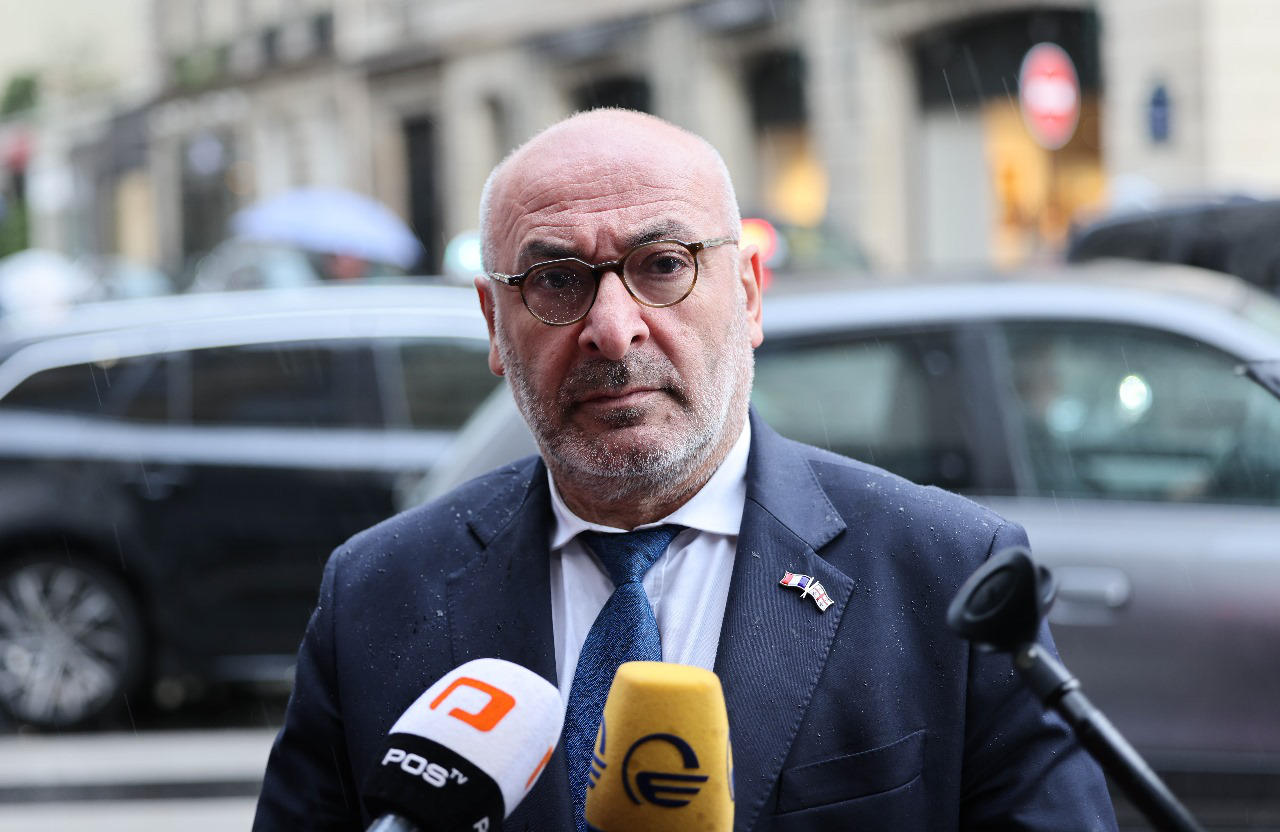
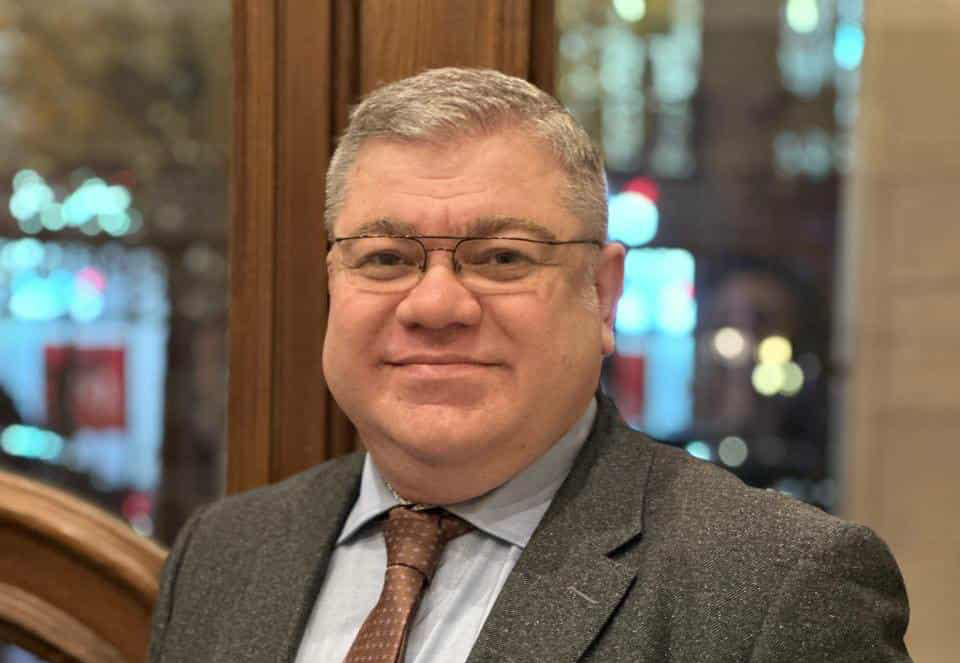
"What is so difficult about a reasonable compromise to return the country to stable development, the civilized world, and the path of progress? I am convinced that Bidzina Ivanishvili understands well that the current political instability rests on his shoulders. Unfortunately, he has become the baobab in our country, with deep-rooted foundations," writes Gocha Javakhishvili, Georgia’s former ambassador to France, on Facebook.
According to him, a moderately cautious policy toward Russia, refraining from imposing bilateral sanctions but fully adhering to international sanctions, was a clear and understandable approach. However, "attacking traditional partners with hostile rhetoric and defiant language appears to be a deliberate strategy aimed at having the West abandon Georgia itself."
"January 20th has passed, Trump is president. Now what? Have the hopes pinned on Trump already been fulfilled? Will peace and democracy be safeguarded by him everywhere?
We will learn much more; drawing conclusions now is premature.
Trump will undoubtedly be aware that in that faraway Georgia, the U.S. ambassador was summoned and warned that the actions of their country were approaching red lines, and if continued, measures would be taken.
Our lack of proper communication—not just communication, but true failure—with our long-earned and trusted partners has brought us to this point.
Once again, I’ll emphasize: a moderately cautious policy toward Russia, refraining from unilateral sanctions but fully complying with international sanctions, was understandable and likely a necessity for future governments considering geographic and geopolitical realities.
But I am becoming increasingly convinced that the aggressive rhetoric and hostile vocabulary used against our traditional partners—those to whom we owe so much gratitude—serves a calculated strategy to have the West give up on Georgia. That way, when isolated and on the brink of state collapse, we will see no other choice but to ally with Russia, China, and Iran, using the excuse: 'I wanted integration with the West, but they pushed us away, so it’s their loss if they no longer have us.'
No one is falling for the pretense that Georgia can ensure its security and prosperity entirely on its own without the West or Russia. This is impossible, and it’s time to abandon such dangerous illusions.
This rhetoric today serves the interests of the policymakers in Georgia rather than the country itself. Politicians, acting like obedient soldiers, execute directives to please their superiors, causing further harm to already strained relationships.
Governance today has become confined to the cabinets, with the only exercised power being repressive policies.
Repression against artists, journalists, and active members of society who fight for freedom yields extremely damaging consequences for the country’s democracy.
I am deeply concerned about this situation. We are now facing civil confrontation, which is extremely dangerous.
In every society, actors, artists, and journalists play a fundamental role in expressing ideas and voicing dissent against injustice. Silencing their freedom of expression entrenches fear in society. In a democratic country, freedom of expression is essential, and its erosion destroys creativity, turning art into conformity.
I have often said and will repeat: for the sake of my country’s democracy, I would prefer that artists and journalists enjoy too much freedom rather than fear expressing themselves.
When the government suppresses free criticism, arrests, imprisons, or threatens artists and journalists—those for whom freedom is the air they breathe—it inevitably creates censorship and stigmatization. This impacts not just those directly oppressed but all citizens, instilling fear and discouragement, and causing people to avoid speaking openly about sensitive political or social issues.
This is evident in daily interactions with friends and family. The appearance of these parallels indicates that the situation is dire.
The individuals expressing protest today have significant influence over public opinion. They are educated, cultured, and experts in their fields. By silencing these voices, the political forces weaken civil society, intimidate the population, and restrict its ability to mobilize against injustice.
Threats of destruction are directed at businesses that show solidarity with protests, tarnishing their reputation. Students are detained and imprisoned for blocking roads. This is unacceptable.
The country is already isolated internationally due to human rights violations, the disregard of the majority's opinion, and the alienation of traditional supporters of European integration. This has inflicted severe damage on the nation’s reputation, limiting its diplomatic and cultural ties and inevitably leading to severe economic and social consequences.
What is so difficult about a reasonable compromise to bring the country back to stability, the civilized world, and a progressive path?
Mr. Bidzina, who cannot be denied a certain level of insight, must understand that the political instability, the crisis of governance, and the associated risks for the country and its citizens are his responsibility. Unfortunately, he has become the baobab in our country, with deep roots that hold us back," writes Gocha Javakhishvili.