Irakli Kupradze: The Russian regime has decided to adopt laws that are more radical, violent, and anti-democratic than Putin's Russia. The citizens of Georgia will not obey them, and the Russian regime will face consequences
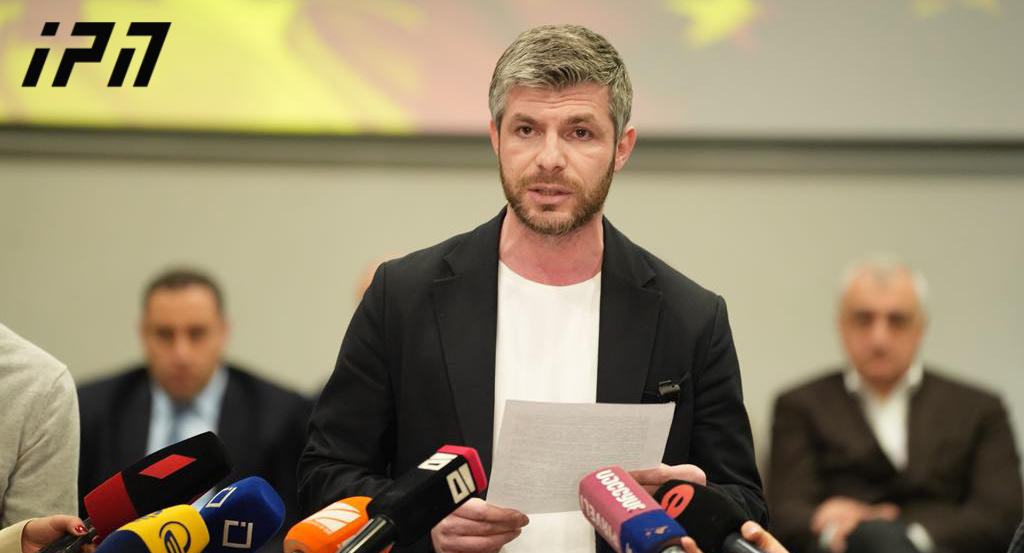
The Russian regime has decided to adopt laws that are more radical, violent, and anti-democratic than Putin's Russia – the Ivanishvili regime is represented in a harsher form in administrative legislation than Putin's regime. This was stated by Irakli Kupradze, one of the leaders of the "Strong Georgia" coalition, in response to the new legislative initiatives of the "Georgian Dream."
According to him, Georgian citizens will not obey anti-democratic, anti-national, and anti-Georgian legislation.
"The Russian regime has decided to adopt more radical, violent, and anti-democratic laws than Putin's Russia, to which Georgian citizens have already responded. This was the gathering at 'Tbilisi Mall,' where accusations of roadblocking as a fabricated criminal offense were ridiculous to Georgian citizens, including political parties. Therefore, 'Georgian Dream,' the Russian regime, will receive a similar response – to anti-democratic, anti-national, and anti-Georgian legislation, which is temporary. Georgian citizens will not obey. It has become a factual piece of evidence that Ivanishvili and the Russian regime are represented in administrative legislation in a harsher form than Putin's regime and Putin's Russia," Kupradze stated.
For your information, "Georgian Dream" plans legislative changes. Specifically, it tightens a range of regulations in both the Administrative Offenses and Criminal Codes.
More specifically: Holding protests in closed spaces, buildings, without the owner's prior consent, will be prohibited; fines for petty hooliganism, vandalism, disobedience to law enforcement officers' requests, and their insult, blocking court entrances, and similar administrative violations will increase, and the administrative detention period will be extended to 60 days; verbal insult of a state political figure or public servant related to their work will be considered an administrative offense. As for the planned changes to the Criminal Code, according to Mdinaradze, public calls for violent actions will be punishable by imprisonment of up to 3 years; the imprisonment term for resistance, threats, and violence against police officers will increase from 5 to 6 years; sanctions for attacks on police officers, representatives of the authorities, and their family members will be stricter if the attack is carried out in a group, repeatedly, or using dangerous means; the punishment will also increase for harming the health of a police officer; individuals who attack or threaten with violence a political figure, state official, or public servant will also be penalized under criminal law.