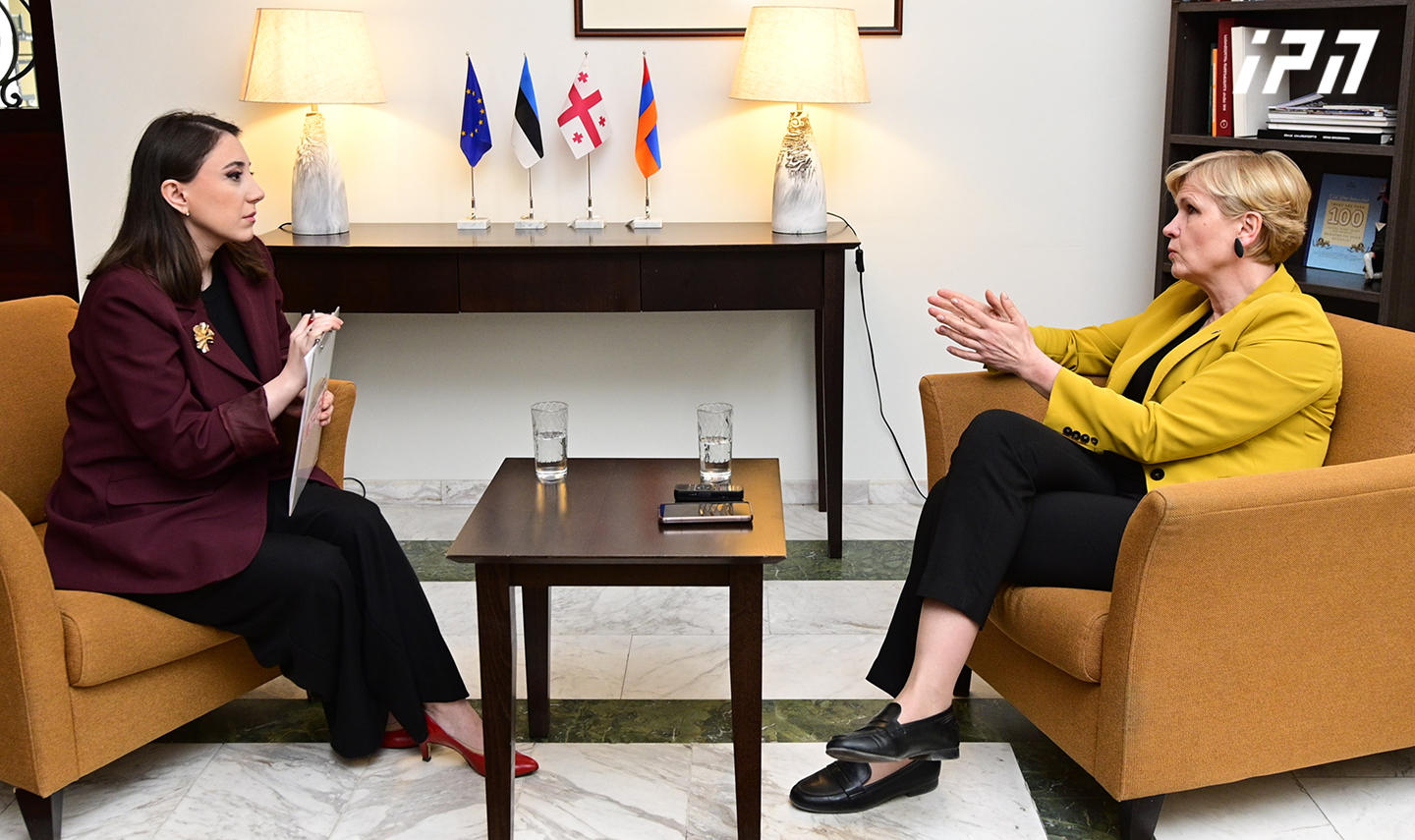
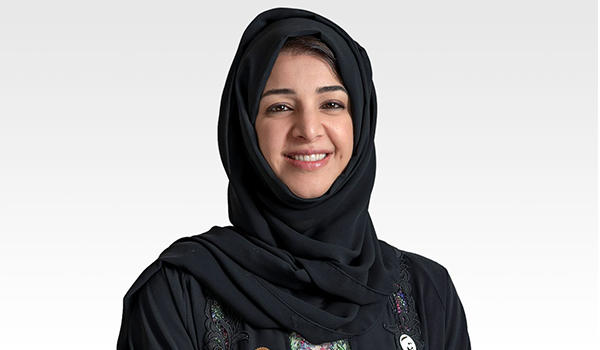
Shalva Papuashvili: I guarantee that the Speakers of both Houses of the UK Parliament and the Prime Minister do not communicate with the media as frequently as I do with the Prime Minister of Georgia — the only one ahead of us is the President of the United States
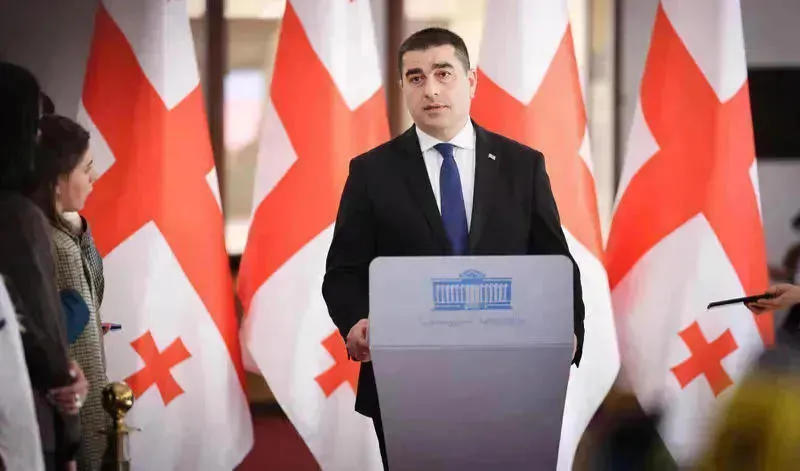
As a state is responsible for regulating traffic, it also takes on the responsibility regarding media standards. If a traffic light is off, we need to turn it on so that the rules function. This was stated by the Speaker of Parliament, Shalva Papuashvili, to journalists regarding the announced changes to the Law on Broadcasting.
He also mentioned that, unlike other country leaders, the leaders of the ruling party in Georgia have frequent communication with the media.
"I guarantee you that neither of the Speakers of the two Houses of the UK Parliament communicates with the media as frequently, with a broad audience, as I do. I guarantee you that the Prime Minister of the UK does not communicate with the media as often as the Prime Minister of Georgia. Recently, the only one who is ahead of us is the President of the United States, who has media comments every day. However, in other respects, if you look at it, the senior officials and leaders of the Georgian government communicate with the media not just through briefings or speeches, but in fact, in a Hard Talk mode, with one-hour ‘talk shows’ held in the form of such comments.
Regarding media standards, we agree on the standard. Let’s consider it as a traffic light, where there are red, yellow, and green lights, and we know what red, yellow, and green mean. Imagine if there was a traffic light, and it was off — this is the situation we have regarding journalistic standards. The traffic light is in place for every vehicle, for both state and private ones, and everyone must adhere to the rules. We all agree on these rules, which are the traffic lights. Right now, this traffic light is off, and this law aims to turn it on so that the rules can function. Today, these rules are not working. Just as the state is responsible for regulating traffic, the state also takes on this responsibility here. If self-regulation were to exist in traffic, we would have a collapse," Papuashvili stated.
For your information, on February 24, the ruling party, Georgian Dream, initiated two packages of amendments to the Law on Broadcasting. According to the changes, it will be prohibited for broadcasters to receive direct or indirect funding from foreign powers — whether in monetary terms or other material goods of value. Additionally, the purchase of broadcasting services by foreign powers, as well as direct or indirect funding or co-financing of program production or broadcasts, will also be prohibited.