The Parliament has passed the legislative package in the first reading, which, once enacted, will exclude non-governmental organizations from participating in the public decision-making process
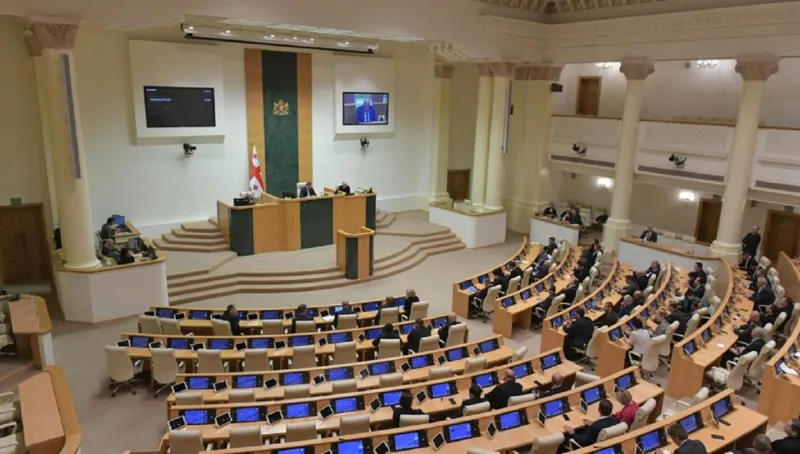
The Parliament has passed the legislative package in the first reading, which, once enacted, will exclude non-governmental organizations (NGOs) from participating in the public decision-making process.
The changes affect 14 different laws and are part of a joint legislative initiative by "Georgian Dream" and "People’s Power."
The current parliamentary regulations and several other laws require the mandatory participation of NGOs in the public decision-making process.
Following the planned changes, for example, candidates for the Prosecutorial Council and the Disciplinary Collegium of Judges of Common Courts will no longer be selected from individuals nominated by non-commercial legal entities. Additionally, NGO representatives will no longer be included in the selection committee for the Public Defender of Consumer Interests at the National Regulatory Authority.
As per the ruling party's decision, the changes will apply to all laws where NGO participation in public decision-making was previously mandatory.
The parliamentary majority argues that "the existing reality has shown that the mandatory participation of NGOs does not serve the intended purpose set by the legislator."
"Recent developments, including global events surrounding USAID, have revealed that the involvement of NGOs in public decision-making hinders the effective governance of the state.
A large portion of NGOs is funded from abroad, making them organizations that promote the interests of their foreign sponsors.
As a result, their actions in the public decision-making process are not based on the interests of the local society but rather serve the political and economic agendas of external forces.
While NGOs should have the opportunity to participate in social processes and offer ideas, their mandatory involvement in state policy development and public decision-making may pose risks to national sovereignty and the transparency of democratic processes.
Therefore, in decision-making on matters of significant importance—such as selecting members of the Prosecutorial Council, candidates for the Disciplinary Collegium of Judges of Common Courts, members of the Central Election Commission (CEC), and other crucial public appointments—it is essential to fully safeguard the interests of the Georgian people," the bill’s initiators state.
The authors and initiators of the bill are Mamuka Mdinaradze, Archil Gorduladze, Tornike Tcheishvili, Rati Ionatamishvili, Davit Matikashvili, Guram Macharashvili, Aleksandre Tabatadze, Tengiz Sharmanashvili, Aluda Gudushauri, Viktor Japaridze, Sozar Subari, Nodar Turdzeladze, Irma Zavrashvili, Levan Machavariani, Ramina Beradze, Irakli Kirkchalia, Salome Jinjiolava, Tornike Berekashvili, and Henrietta Tsitsava.