Shalva Papuashvili: Time will pass, and the ambassadors silenced by the Strasbourg Court’s decision on Mzia Amaghlobeli’s case will recall how they erred, as they have many times before, in assessing the verdicts of Georgian courts
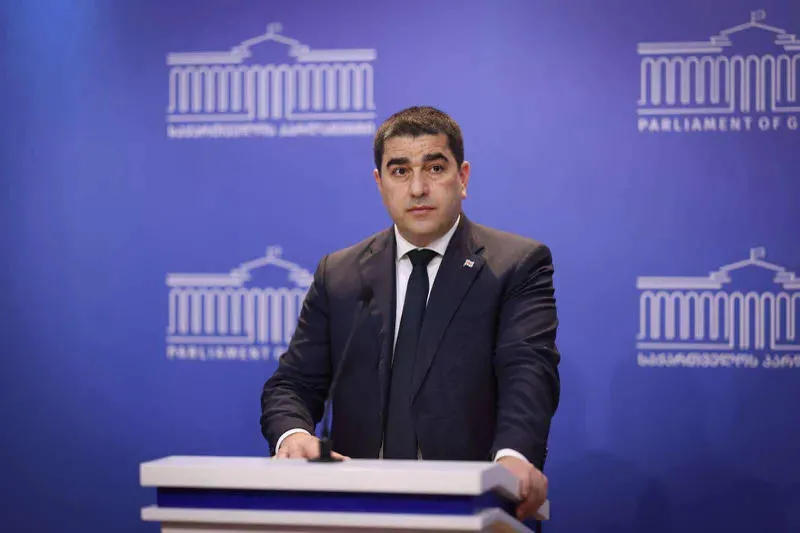
Time will pass, and the ambassadors silenced by the Strasbourg Court’s decision on Mzia Amaghlobeli’s case will recall how they erred, as they have many times before, in assessing the verdicts of Georgian courts – wrote Shalva Papuashvili, Speaker of the Parliament, on social media, responding to the joint statement by 24 diplomatic representations regarding the court verdict against journalist Mzia Amaghlobeli.
According to Papuashvili, it is unfortunate that “politically motivated slander and attacks against Georgian justice have become a hallmark of some EU member states.”
“Time will pass, and the ambassadors silenced by the Strasbourg Court’s decision on Mzia Amaghlobeli’s case will recall how they erred, as they have many times before, in assessing the verdicts of Georgian courts.
But, as has happened many times, none of these embassies will apologize. Just as they did not apologize in Saakashvili’s case, did not apologize in Melia’s case, did not apologize in Gvaramia’s case, did not apologize in the Rustavi 2 case, and did not apologize in the case of the parliament storming. In fact, they have never apologized for any case in which these embassies were proven wrong by the Strasbourg Court.
It is unfortunate that politically motivated slander and attacks against Georgian justice have become a hallmark of some EU member states. It is unfortunate that they have so devalued their own word,” Papuashvili writes.
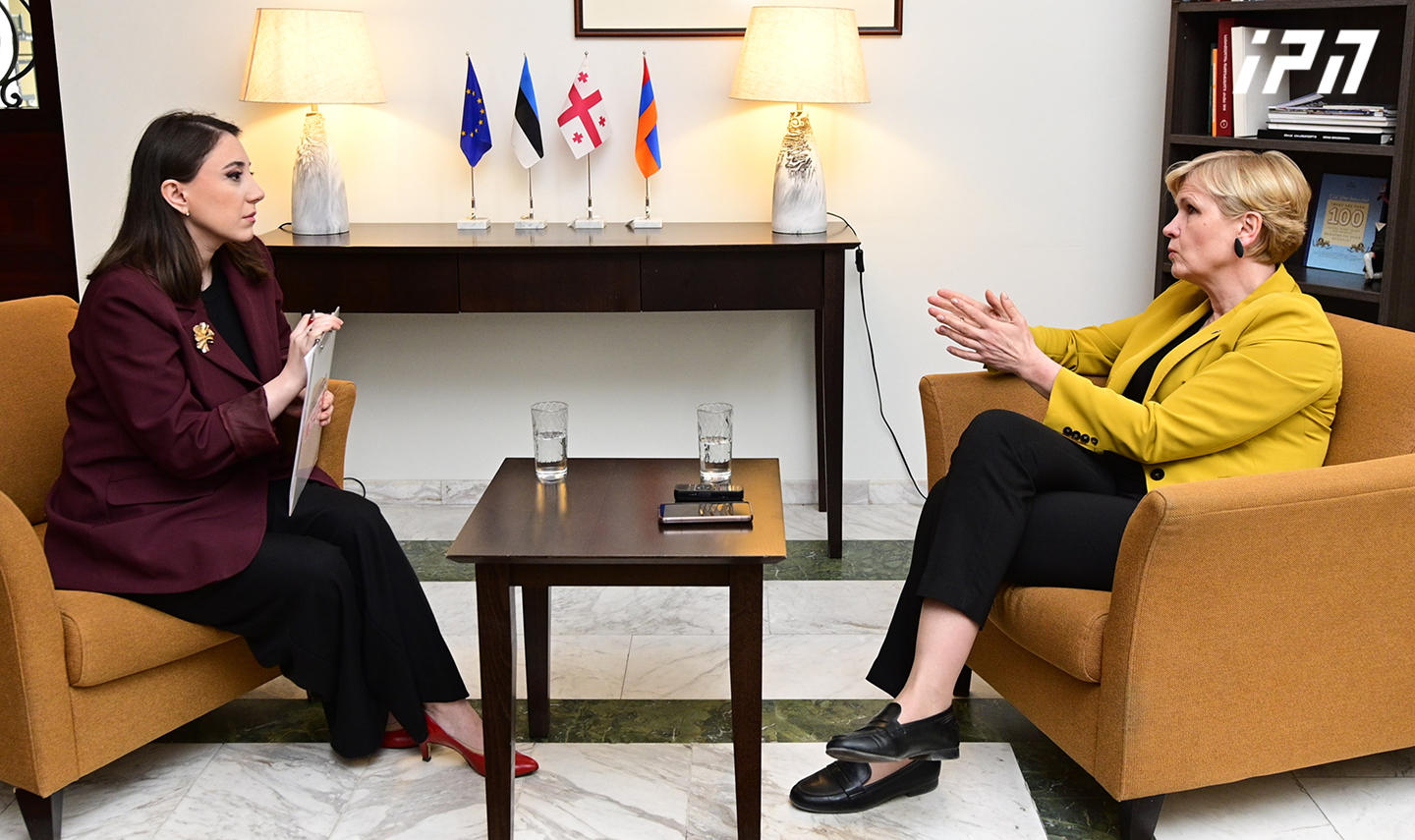
The 24 diplomatic representations issued a joint statement regarding the court verdict against journalist Mzia Amaghlobeli. As stated, they condemn the “disproportionate and politicized verdict” against Mzia Amaghlobeli and express solidarity with her. They also demand her immediate release.
For reference, Judge Nino Sakhelashvili of the Batumi City Court reclassified the charge against Mzia Amaghlobeli, the founder of “Batumelebi.”
Specifically, she was charged under Article 353 of the Criminal Code, which pertains to resistance, threats, or violence against a public order protector or other representative of the authorities. The penalties for this offense include a fine, house arrest for up to 2 years, or imprisonment for 2 to 6 years.
The judge sentenced Mzia Amaghlobeli to 2 years of imprisonment.
Initially, Mzia Amaghlobeli was charged under Article 353/1, Part 1 of the Criminal Code, which pertains to an attack on a police officer, a special penitentiary service employee, another representative of the authorities, or a public institution. This offense carried a penalty of imprisonment for 4 to 7 years.