Public Defender: 17 years have passed since the 2008 August war between Russia and Georgia, but its consequences are still being acutely felt by both the population remaining in the occupied territory and those living near the occupation line
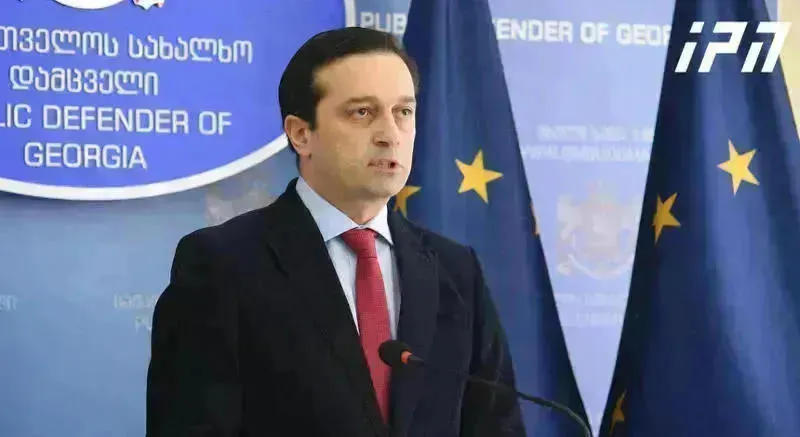
The Public Defender of Georgia, Levan Ioseliani, has issued a statement regarding the 2008 August Russia-Georgia war. As noted in the Ombudsman’s statement, the situation of internally displaced persons is grave, and they are still not given the opportunity to return to their homes.
As Levan Ioseliani states, the practice of unlawful detention and imprisonment remains the most important challenge.
“17 years have passed since the 2008 August war between Russia and Georgia, but its consequences are still being acutely felt by both the population remaining in the occupied territory and those living near the occupation line. The situation of internally displaced persons (IDPs) is also dire, as they are still unable to return to their homes. As a result of the conflicts of the 1990s and 2008, 299,172 IDPs have been registered in Georgia.
The most important challenge remains the occupation regime's practice of illegal detention and imprisonment of persons for the so-called illegal border crossing, both in the direction of occupied Abkhazia and the occupied Tskhinvali region.
According to official data, from 2008 to 2025, 3,594 people were illegally detained by the Russian occupation forces, 2,024 of them in the direction of occupied Abkhazia, and 1,570 in the direction of the occupied Tskhinvali region. As for the issue of illegal imprisonment, as of 2025, 9 Georgian citizens still remain in illegal imprisonment in the occupied Tskhinvali region, and 4 citizens in occupied Abkhazia.
The illegal so-called borderization process by the occupation forces continues. Violation of the right to property remains a daily challenge for the population living near the occupation line. The Russian occupation forces have erected more than 60 kilometers of barbed wire in the direction of occupied Tskhinvali, while the length of artificial barriers in the direction of occupied Abkhazia exceeds 50 kilometers.
The situation in the occupied territories is difficult in terms of access to education in the native language. In all schools of occupied Gali and Akhalgori, teaching in the Georgian language has been completely banned in primary grades, and the native language has been transformed into a subject of foreign language and literature. As a result, the number of students is decreasing year by year.
Such illegal actions carried out by the occupation regime grossly violate the rights and freedoms of the population living in the occupied territories, which once again confirms the necessity of allowing international human rights observation missions to work in the occupied territories.
The Public Defender expresses his readiness to facilitate dialogue between the parties and encourage human rights-based initiatives and approaches”, reads the statement.