Shalva Papuashvili: Just as the radical opposition is boycotting the elections, so are radical NGOs in terms of not observing - if the election fraudsters do not observe, nothing will be lost for the elections
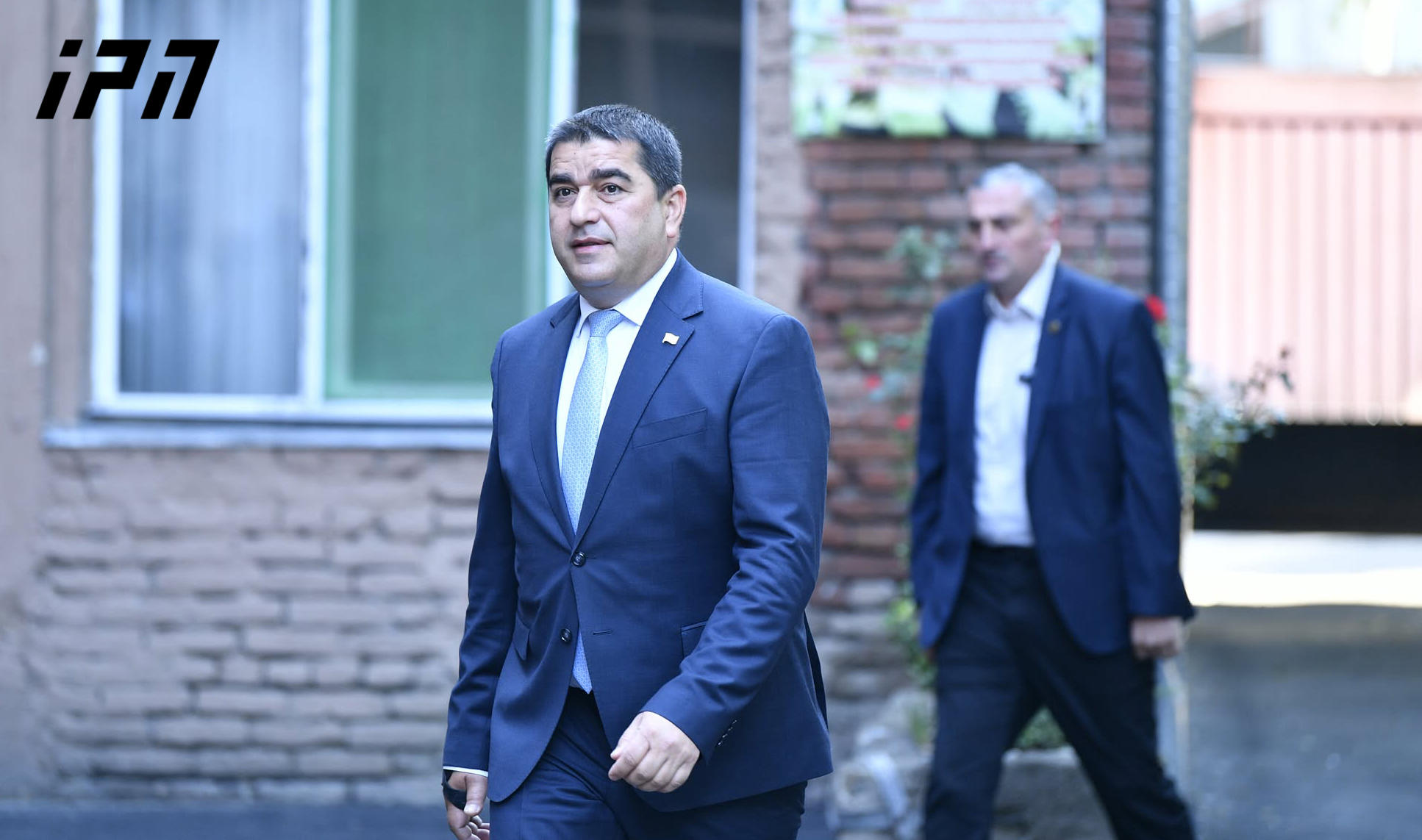
Transparency International, Soros, ISFED, GYLA - all these organizations that have declared that they will not vote in the elections have disqualified themselves - by not participating in the elections, they are branding themselves as anti-democratic, radical groups, and this will continue to be the case from tomorrow, when these elections are held, - Parliament Speaker Shalva Papuashvili told journalists.
According to Papuashvili, the NGOs that refused to observe the local self-government elections are thus boycotting them.
According to him, the failure of some NGOs to observe the elections "is not a big loss, because observing the elections by election fraudsters would have been more problematic."
"Who prevented ISFED and others from observing the elections? What was the problem? Which law [prevented]? Who prevented it? Nobody. This is, among other things, part of the hybrid attack on our elections. Just as the radical opposition is boycotting the elections, so are radical NGOs in terms of not observing. We have seen that they, as voters, are not participating. By doing so, they have disqualified themselves. Transparency International, Soros, ISFED, GYLA, all these organizations that have declared that they will not vote in the elections have disqualified themselves. By not participating in today’s elections, they are branding themselves as anti-democratic, radical groups, and they will continue to do so from tomorrow, when these elections are over.
As for their not observing, there is no great loss here. The observation of the elections by election fraudsters was more problematic. Do you remember when ISFED falsified parallel counts in 2020? Do we agree that they published fake numbers? We agree. We also agree that they did not publish them at all last year. So, if the election fraudsters do not observe, this will not be bad for our elections. As for the observers. Today, 8,000 representatives of 56 international and local organizations are observing the elections. About 1,000 journalists from 73 media outlets are accredited to cover the elections. Check out how many observers there were in the last elections in Lithuania and then compare the data with Georgia.
We invited the OSCE/ODIHR. They had enough time to come to the elections. It doesn’t take anything to gather a delegation of several people to come and observe the elections. "In the 2008 presidential elections, a few days before, the OSCE/ODIHR received a notification. In 2008, 17 years ago, when the technology and other conditions were different, they were able to send a mission, and what would be the problem this year? We have more direct flights to different capitals. So they would arrive in Georgia more easily and comfortably, but I think this is also part of the attempt to somehow attack the Georgian elections," Papuashvili said.