Irakli Pavlenishvili on the OSCE/ODIHR conclusion: The only way to move toward European integration is to repeal the repressive legislation, although it is impossible to have optimistic expectations regarding Ivanishvili
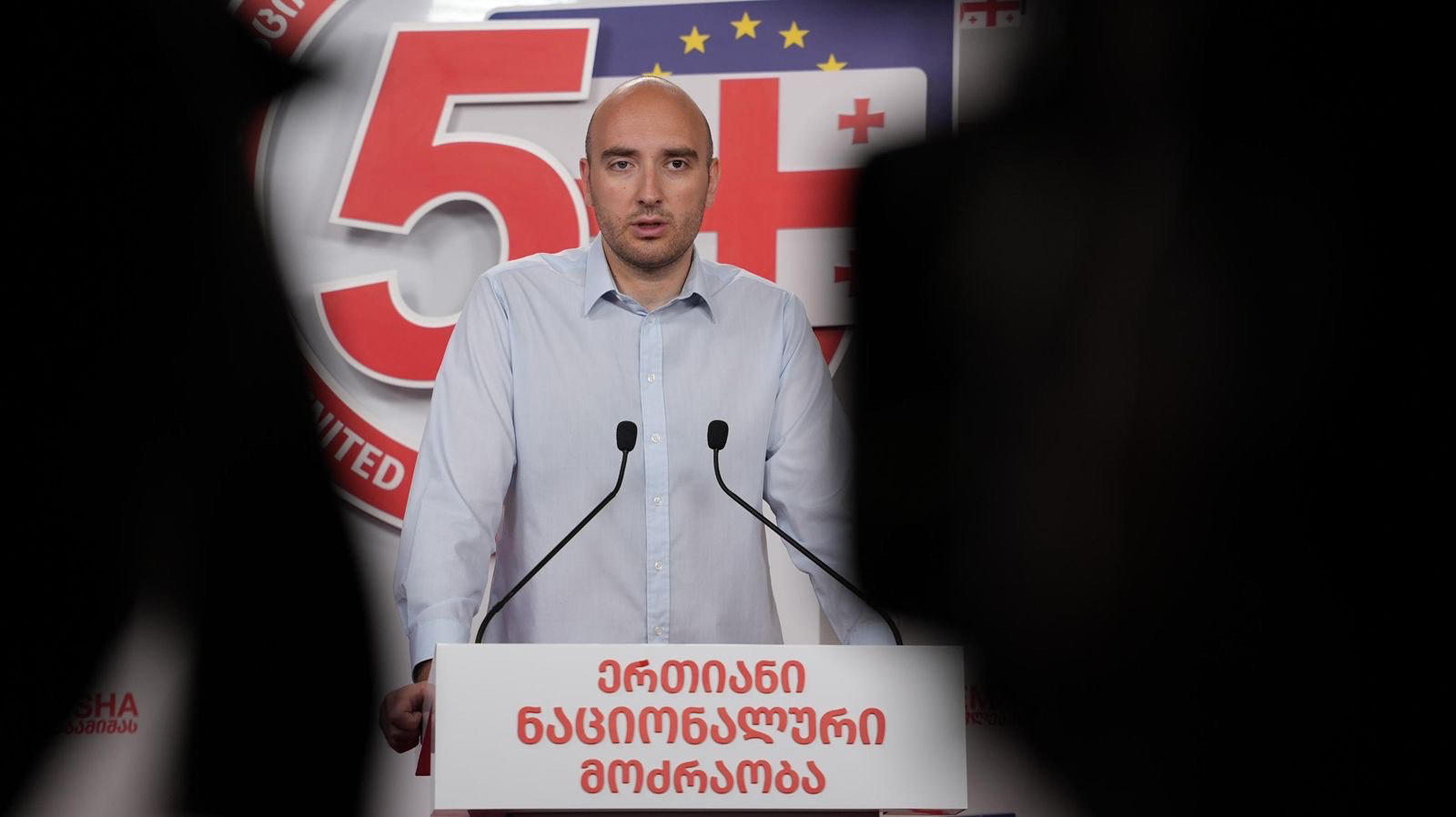
“When Bidzina Ivanishvili and his gang restrict fundamental civil and political rights through so-called legislative amendments, it cannot remain without a response. This person takes every step to ensure that more and more European values and norms are violated,” — Deputy Secretary General of the United National Movement, Irakli Pavlenishvili, told journalists while commenting on the OSCE/ODIHR conclusion regarding the amendments to the Code of Administrative Offenses and the Criminal Code.
According to Pavlenishvili, under the current circumstances it is impossible to have optimism about repealing the legislation.
“When Ivanishvili and his gang restrict essential civil and political rights through so-called legislative changes, it cannot remain without a response — including from OSCE/ODIHR and any international institution, because limiting freedom of expression cannot be considered a European norm or value. Of course, it was expected that such conclusions would be made. The only way — for our country and for our progress in terms of legislative alignment with European integration — is for this repressive legislation to be withdrawn.
When we talk about expectations, naturally it is impossible to be optimistic regarding Ivanishvili. For more than a year, this person has been doing absolutely everything to not only stop our European integration but to take every step to ensure that even more European values and norms are violated by Georgia’s so-called government. Therefore, we have no optimistic expectations. Positive change will happen only in one case — if this authoritarian regime is dismantled,” Pavlenishvili said.
For reference, the OSCE/ODIHR published a conclusion regarding amendments to Georgia’s Code of Administrative Offenses and Criminal Code. The conclusion states that the rights to peaceful assembly and freedom of expression are an integral part of the foundations of a democratic, tolerant and pluralistic society, and that states have positive obligations to respect, protect and facilitate the enjoyment of these rights without discrimination.
The OSCE/ODIHR notes that their conclusion should be considered in light of the serious concerns previously expressed by ODIHR, international and regional organizations and bodies, national observers, and other stakeholders regarding these and earlier legislative initiatives — in particular those that excessively restrict the rights to peaceful assembly, freedom of expression and freedom of association, as well as in light of the recent months’ detentions of peaceful protesters, human rights defenders and opposition politicians for peaceful participation in assemblies, “which represents an obvious violation of Georgia’s international human rights obligations.”