The Anti-Corruption Bureau, the Personal Data Protection Service, and the Business Ombudsman Institution will be abolished
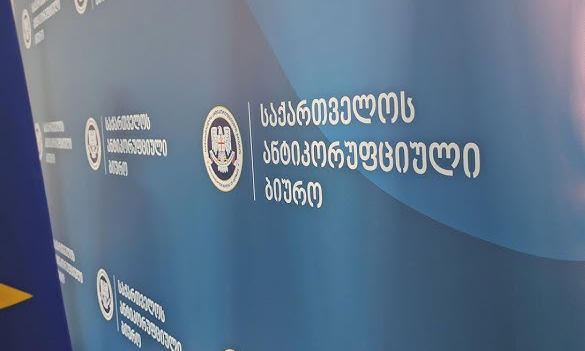
Starting March 2, 2026, the Anti-Corruption Bureau will be abolished and its functions will be fully transferred to the State Audit Office — Parliament Speaker Shalva Papuashvili announced today at a briefing.
According to him, the Personal Data Protection Service will also be abolished starting March 2, 2026.
In addition, starting January 1, 2026, the Business Ombudsman’s Office will be abolished and its functions will be transferred to the Ministry of Economy.
“Our goal is to strengthen the constitutional framework of the governance system and optimize state resources. Fighting corruption is one of the government’s top priorities, and a number of important steps have been taken in this direction in recent years. The process involves the Efficiency Department of the Government Administration, the State Audit Office, the Anti-Corruption Agency of the State Security Service, and the Prosecutor’s Office. Today, the Anti-Corruption Bureau is essentially tasked with collecting and monitoring declarations of officials, parties, and non-governmental organizations. After consultations with the government, a shared vision was developed that this function is better aligned within the constitutional framework of public administration if it is handed over to the State Audit Office, as a higher and more independent constitutional body.
According to the initiative, from March 2, 2026, the Anti-Corruption Bureau will be abolished and its functions will be fully transferred to the State Audit Office. Similarly, from March 2, 2026, the Personal Data Protection Service will be abolished.
Its functions will also be fully transferred to the State Audit Office, which, as an independent constitutional body, enjoys a much higher level of institutional independence fully in line with international standards.
The third initiative in this block concerns the Business Ombudsman, which, under the new institutional structure, will be moved under the Ministry of Economy starting January 1, 2026. This will ensure faster response to business needs and better coordination on a political level.
Overall, these changes will bring the governance system in line with the institutional framework established by the Constitution, optimize state resources — by approximately 20 million GEL annually — simplify structural functions, ensure clearer responsibilities, and improve management efficiency,” Papuashvili stated.