Shalva Papuashvili: The actions of the “United National Movement” ended with war in 2008 — their reckless behavior led to it; they were walking around singing “Kokoity Fandarast” and beating drums thinking that would restore territorial integrity
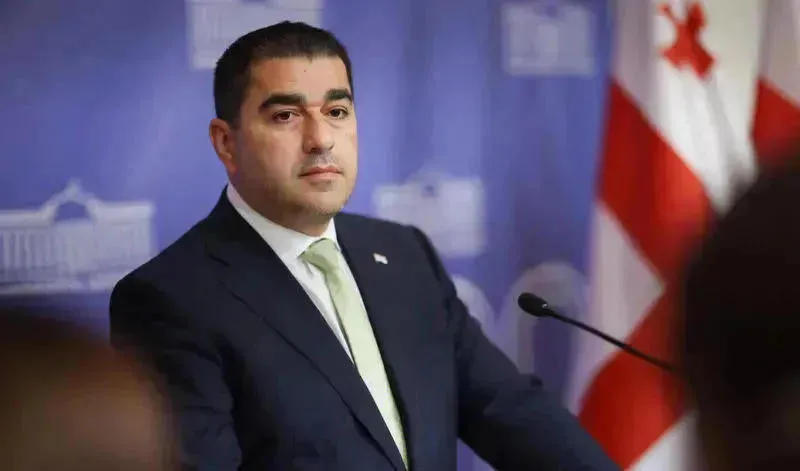
It is obvious that the decisions made in 2006–2007 were dictated from outside and were designed to turn Georgia into a sacrificed pawn in someone else’s geopolitical game — effectively, the government at the time indirectly recognized separatism and created an escalation that led to the war, Parliamentary Speaker Shalva Papuashvili told journalists, commenting on the ruling team's decision to abolish the so-called “South Ossetia Administration.”
According to him, Georgian Dream acts in the interests of the Georgian people and does not care who likes or dislikes its decisions.
“In 2006, under the organization and support of the then government, the Saakashvili regime, so-called alternative separatist elections were held in the Tskhinvali region, which by its nature was not only a violation of the Constitution but an act of treason against our country — considering what followed afterward.
In 2006 they held illegal, unconstitutional, separatist elections organized and encouraged by the Saakashvili regime. In 2007, an administration was created on the basis of these elections. In 2007 they also restored the administrative borders of 1990. This created an escalating environment that led to the 2008 war. These are interconnected chains of actions that ended in the 2008 war.
This was caused by the reckless behavior of the ‘United National Movement.’ They were walking around singing ‘Kokoity Fandarast’ and beating drums, thinking they were restoring territorial integrity. This reckless behavior led the country into war — this shows what kind of regime Saakashvili represented. It is important that whatever contradicts our Constitution and national interests does not remain in our legal and political terminology space, and this decision serves exactly that purpose.”
Papuashvili stressed that the government does not base decisions on foreign approval:
“We act in accordance with our national interests. Our decisions are not based on who will like them, who will be happy, or who will be offended. We do not look at how others view our decisions — we look at how the Georgian people perceive them. This is in the interest of the Georgian people, and you see the public’s reaction.”
He added that the 2006–2007 decisions were part of an external geopolitical design:
“It is obvious that the decisions made in 2006–2007 were dictated from outside, intended to turn Georgia into a sacrificed pawn in other external forces’ geopolitical game. The first ones to criticize this decision were foreign-funded NGOs. The government made this decision at the time in a way that effectively represented an indirect recognition of separatism and escalation that led to war.
This is also part of the policy of non-recognition — that no one should use the term ‘South Ossetia.’ When such a term is indirectly established in our legal system, of course this is unacceptable. The correct term is Tskhinvali Region.”
For reference: The ruling party has decided to abolish the “administration of the administrative-territorial unit created on the territory of the former South Ossetian Autonomous District.”