Giorgi Burjanadze: Horrific chemical substances were used at the rallies - I almost fainted several times, not to mention the burning in my throat and eyes; my health has changed. Ivanishvili’s squads committed unprecedented torture in history!
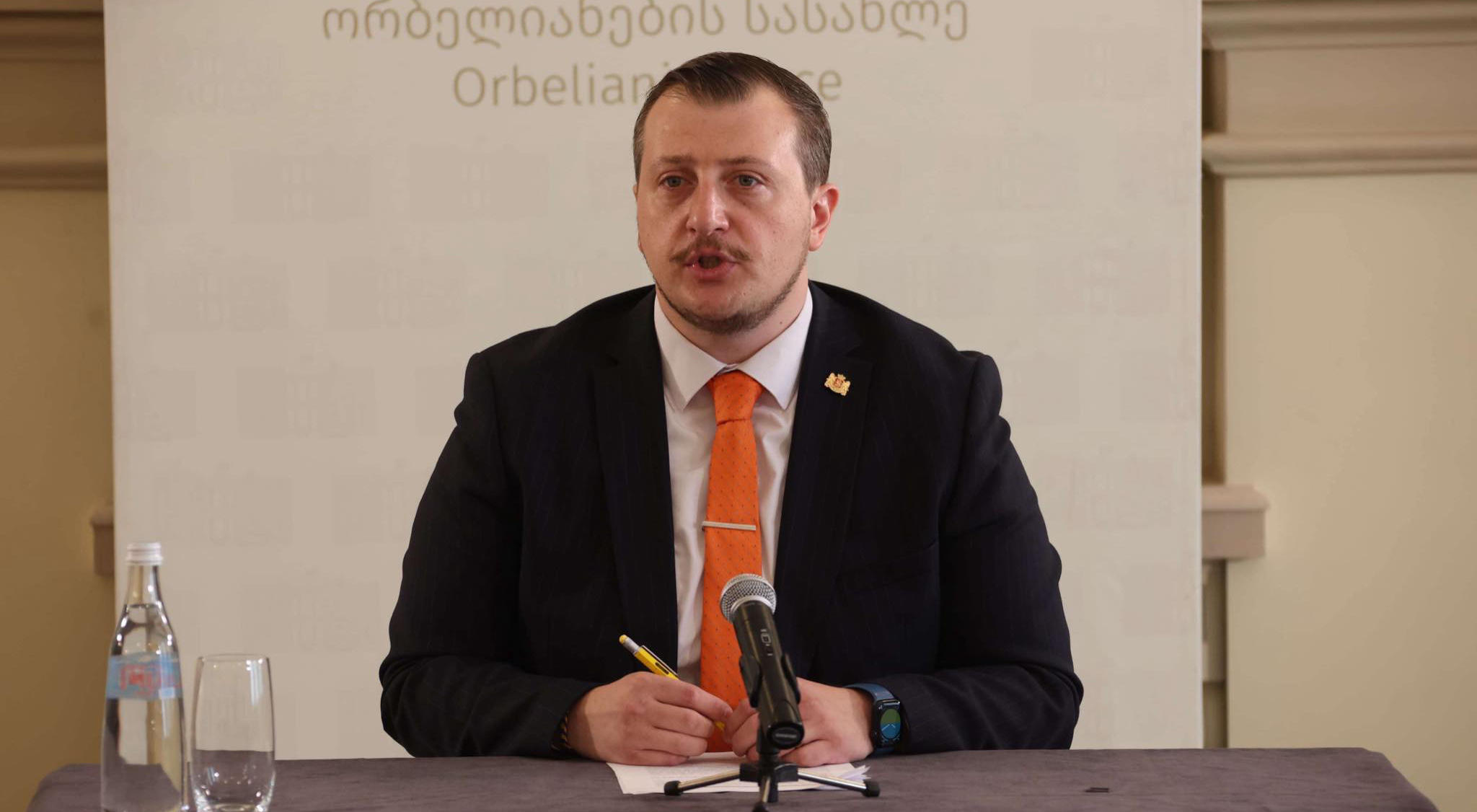
“Ivanishvili’s squads committed unprecedented torture in Georgia’s history against protesters on Rustaveli Avenue - my personal experience and the BBC’s evidence fully give me reason to believe what is written in the article published today,” former Deputy Public Defender Giorgi Burjanadze wrote on social media.
According to Burjanadze, “during last year’s protests, the most terrible chemical substances were used - both in the spring and especially in autumn/winter.”
“I almost fainted several times and someone else helped me get out. I won't even mention the burning in the throat, eyes, and face - it was constant every night. My health has changed since then.
Every evening, after the previous night’s substance was used, there were places on Rustaveli Avenue where the smell was so strong for days that when walking past, everyone’s eyes and airways burned.
My personal experience and the BBC’s evidence fully give me the basis to believe what is written in the article published today.
Ivanishvili’s squads committed unprecedented torture in Georgia’s history against protesters on Rustaveli Avenue. As this journalistic investigation shows, they committed unprecedented inhuman treatment and other possible international criminal acts through the use of chemical substances,” Burjanadze wrote.
According to BBC, the evidence they collected indicates that the Georgian authorities used chemical weapons dating back to World War I to suppress anti-government protests last year. BBC reports that:
“Demonstrators protesting against the Georgian government’s suspension of the EU accession process complained of various symptoms - including burning eyes, shortness of breath, coughing, and vomiting, which continued for weeks.”
BBC also reports that they spoke with chemical weapons experts from the World Service, members of Georgia’s special forces, and doctors, and discovered that:
“the evidence indicates the use of an agent that the French military called ‘Camite.”