Irakli Kobakhidze: Theoretically, Vano Merabishvili and Shota Utiashvili could be held responsible – Vakhtang Gomelauri is not a chemist to recheck the powder purchased in 2007
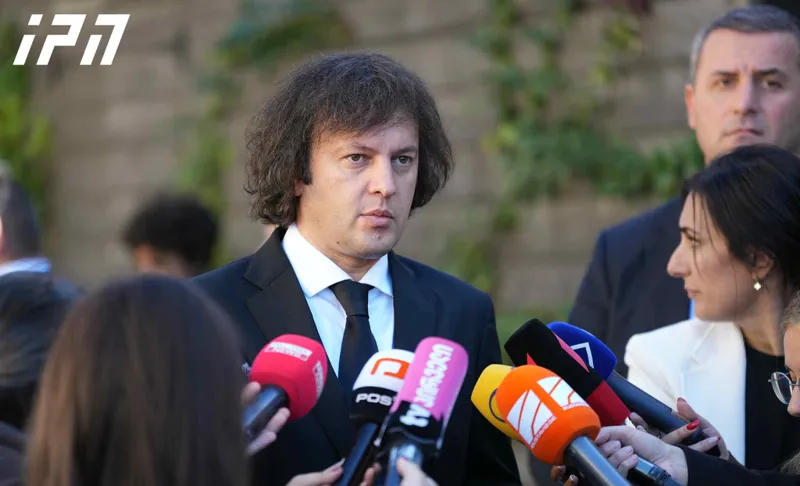
“Theoretically, responsibility could fall on Vano Merabishvili or Shota Utiashvili. The Ministry of Internal Affairs knew that the powder was being used, and decisions regarding its composition were made in 2007 and 2009,” stated Prime Minister Irakli Kobakhidze regarding the BBC investigation.
He added that the former Minister of Internal Affairs, Vakhtang Gomelauri, is not a chemist and therefore could not have rechecked the powder purchased in 2007 and 2009.
“You should be worried about the leader of your party; we are not worried about Vano Merabishvili. The investigation will proceed calmly and determine everything. Theoretically, responsibility could fall on Vano Merabishvili or Shota Utiashvili. The Ministry of Internal Affairs knew the powder was being used, and decisions about its composition were made in 2007 and 2009.
The Ministry knew it was using water, and a specific substance, a specific solvent, that was purchased at the time. The rest will be examined by the investigation. Only specific party leaders, for example Vano Merabishvili, could face some issue if they acquired something they shouldn’t have,” the Prime Minister told journalists.
Kobakhidze added that Vakhtang Gomelauri confirmed the powder and other substances used were purchased in 2007 and 2009. Gomelauri should have known the purpose of the powder, but he is not a chemist and could not have rechecked it at the time. Kobakhidze said: “The scandal has fizzled; the rest will be handled by the State Security Service (SSS).”
The Prime Minister also emphasized that the artificial scandal created by the BBC, allegedly using the intelligence services’ “handwriting,” burst like a soap bubble.
“The investigation will proceed in various directions, including determining who was involved in activities harmful to national interests, and whether the false information was spread deliberately. The State Security Service will examine everything,” Kobakhidze concluded.