Shalva Papuashvili - Declaring a person exposed to be involved in a terrorist crime as a “comrade-in-arms” by a political party creates a serious legal and ethical problem
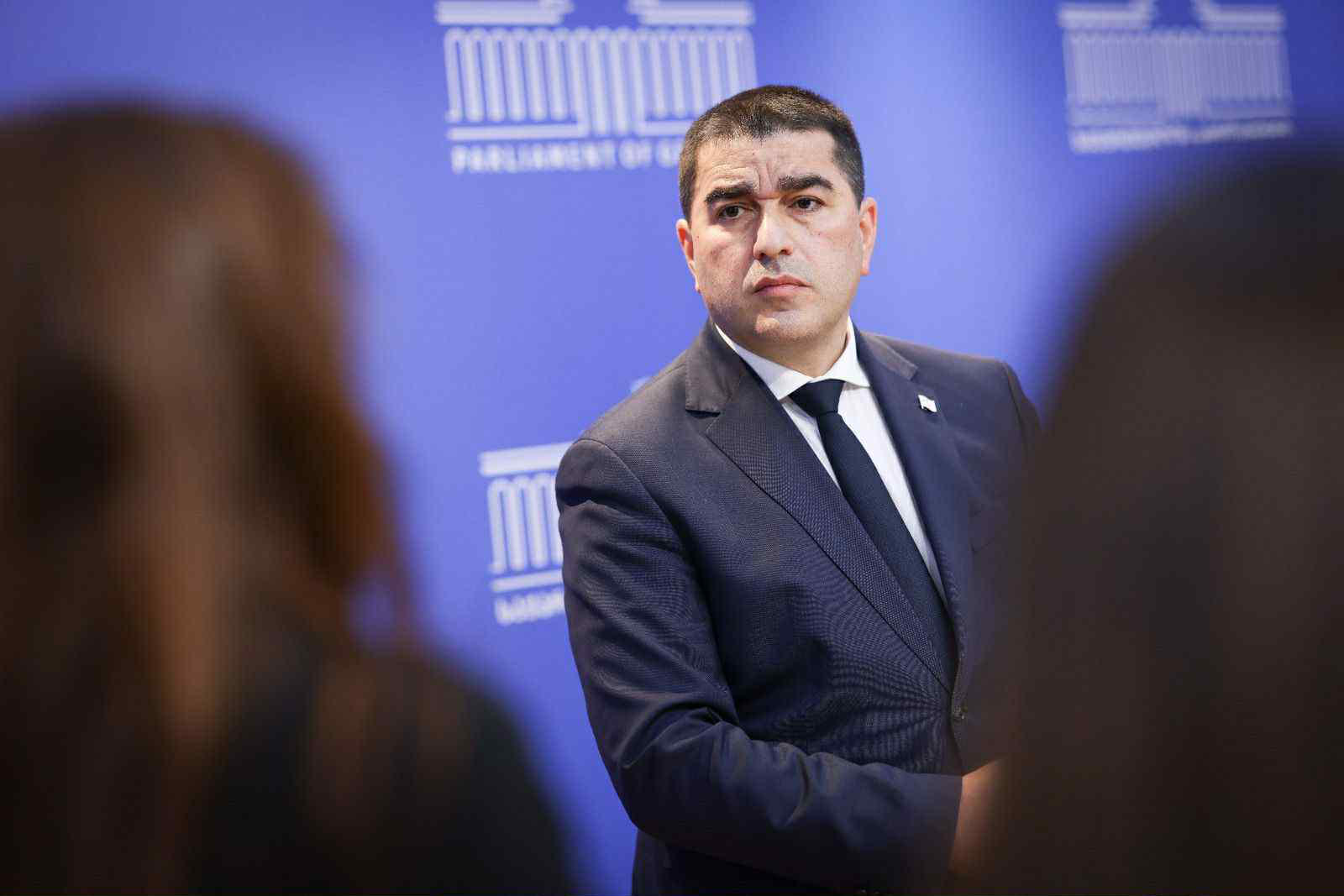
Declaring of a person who has been exposed to be involved in a terrorist crime as a “comrade-in-arms” by a political party creates a serious legal and ethical problem - when it comes to a political family whose leaders include European Commissioners Kaja Kallas and Marta Kos, this issue goes beyond the internal Georgian context and moves to the level of European political responsibility, - the Speaker of the Parliament of Georgia Shalva Papuashvili said when assessing the position of Lelo-Strong Georgia regarding Aleko Elisashvili.
Papuashvili believes that this is no longer just a moral choice of Lelo-Strong Georgia, but also represents an inappropriate distancing from terrorism, which contradicts the foundations of a democratic state.
“It has been ten days since one of the leaders of Strong Georgia-Lelo was arrested on the fact of committing a terrorist act. He himself confessed to the crime and confirmed its political motive. In such a situation, separation from a terrorist should not require either a call or additional explanation.
Terrorism, as the most serious crime with an international dimension, is not subject to political interpretations, party solidarity or ideological justification.
Against this background, declaring of a person who has been exposed to be involved in a terrorist crime as a comrade-in-arms by a political party creates a serious legal and ethical problem. This is no longer just a moral choice - it represents an inappropriate distancing from terrorism, which contradicts the foundations of a democratic state.
Of particular note is the fact that Lelo is a member of the Alliance of Liberals and Democrats for Europe (ALDE). In the European political space, justifying terrorism, indirectly supporting it or insufficient distancing from it is incompatible with the status of a democratic party.
In this context, responsibility no longer lies solely with one political party. Responsibility automatically extends to the international political union of which the party is a member. Accordingly, ALDE’s position on this issue is not a test of party support, but of European legal and political standards. When it comes to the political family whose leaders include European Commissioners Kaja Kallas and Marta Kos, this issue goes beyond the internal Georgian context and moves to the level of European political responsibility.
The European Union Directive EU 2017/541 on combating terrorism prohibits the justification of terrorism, ideological support for terrorism and the granting of public legitimacy to terrorist acts. According to the same directive, inciting terrorism or expressing political solidarity with its perpetrators creates the basis for legal responsibility.
The conclusion is simple: there is no political neutrality towards terrorism. Parties that incite terrorism or have an ambiguous position on it themselves pose a threat to democracy,” Papuashvili said.
The Speaker of the Georgian Parliament, Shalva Papuashvili, stated on December 3 that if Aleko Elisashvili, who is being detained on charges of attempted terrorist acts, is not expelled, from Monday, Citizens, Strong Georgia and ALDE would “officially become terrorist sponsoring organizations.”