Irakli Kobakhidze: If anyone and anything is moving backward in the modern world, it is the European Union - unfortunately, there is no progress in Georgia–EU relations, and the main reason is the unchanged attitude of European bureaucracy
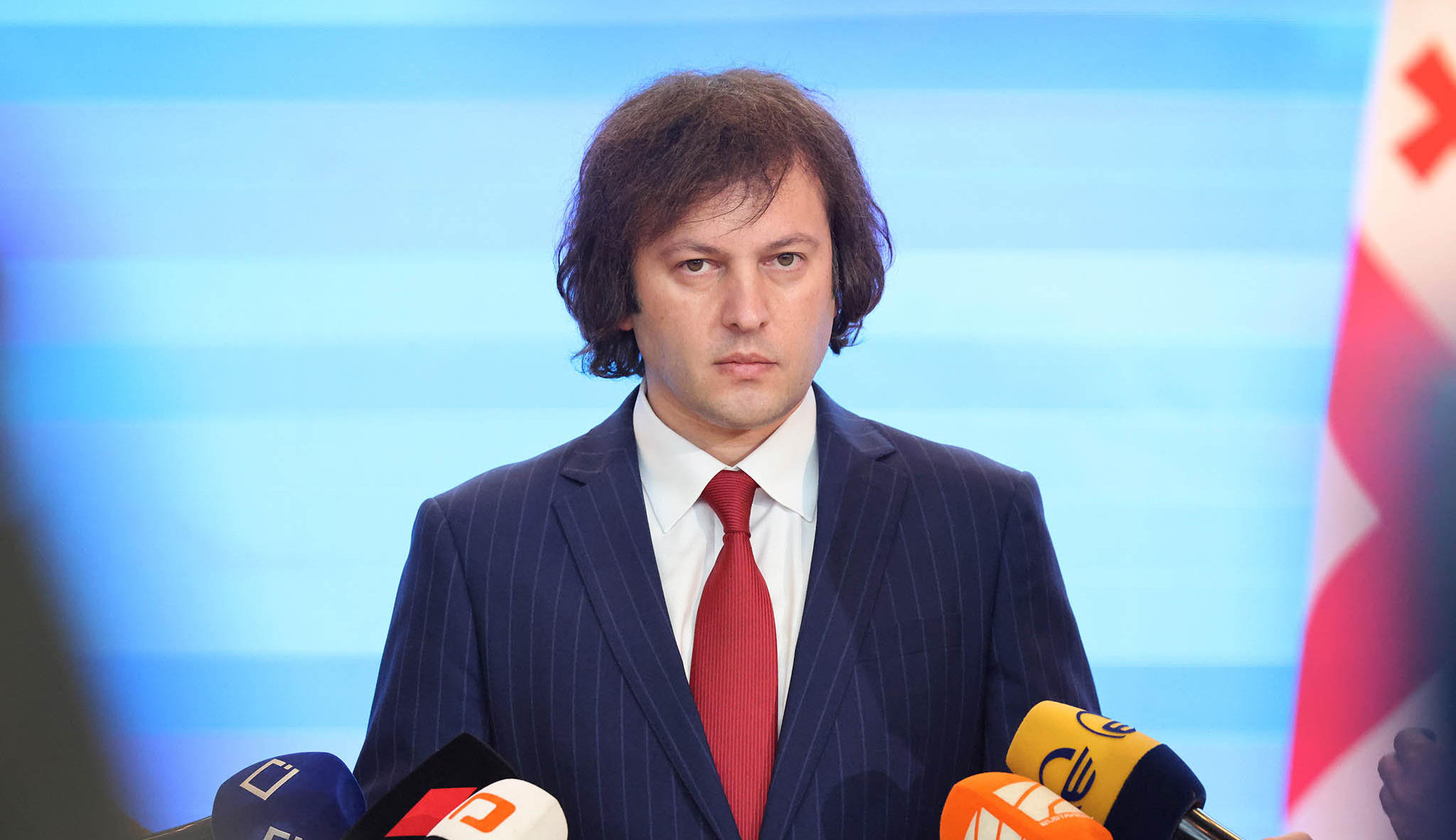
“If anyone or anything is regressing in today’s world, it is the European Union, thanks to European bureaucracy,” Georgian Prime Minister Irakli Kobakhidze said in an interview with the Public Broadcaster, responding to a question about a statement by EU Commissioner Marta Kos.
According to the Prime Minister, the EU is moving backward in all areas, including the economy, democracy, human rights, and press freedom.
“This is the result of the activities that European bureaucracy has been engaged in to this day. As for attitudes toward Georgia, we are ready to discuss all issues - we have said this many times and can say it again. If there are any demands, any reasonable conditions, we are ready to consider anything, given that we have a declared goal of becoming a full member of the European Union. But let us recall what they were demanding - they demanded handing over the judiciary to the opposition, handing over the Central Election Commission to the opposition. Imagine a country with a democratically elected government chosen by the people, and their interest is for all institutions to be removed from the influence of that democratically elected government. This is not about controlling institutions or using them for political interests; it is about a healthy constitutional system. They want certain institutions to be taken out of the constitutional order,” Kobakhidze said.
The Prime Minister noted that one such institution was the National Bank.
“They involved thousands of institutions in this, but first and foremost it was a demand from European bureaucracy. They directly prohibited us from appointing members of the National Bank’s board. What was the real goal? To form the National Bank’s board together with the opposition. Forming it together meant staffing it with their people - otherwise, how would consensus be reached? Why did they need the National Bank? Let us look at the results of the National Bank’s work today - with a very high probability, by the end of the year our foreign currency reserves will exceed USD 6 billion for the first time. The lari exchange rate has been firmly maintained, and so on. This is in the state’s interest. We have no need to exert influence over institutions for our own subjective interests. The only reason we need the National Bank to remain within the constitutional order is to protect state interests - to maintain a stable exchange rate, ensure clear rules in the banking system, and build up foreign reserves, all of which have been ensured under the current president and board of the National Bank. They demanded that such a board and president should not exist - instead, they wanted someone like Koba Gvenetadze as president of the National Bank, under whom everyone remembers what happened to the lari exchange rate and where the reserves were. When European bureaucracy, in the name of the EU, demands that the National Bank be taken out of the constitutional order - leaving aside the judiciary, the CEC, and so on - it is clear that their intentions toward Georgia are not benevolent,” Kobakhidze said.
According to the Prime Minister, under such conditions, it is naturally difficult to improve relations.
He added that, unfortunately, there is no progress in Georgia–EU relations, mainly because the attitude of European bureaucracy toward the Georgian people and the government elected by them has not changed.
“Unfortunately, there is no progress in Georgia–EU relations. The main reason is that the attitude of European bureaucracy toward the Georgian people and the government elected by them does not change. This is the core of the current situation. The main problem is that European bureaucracy does not recognize Georgian democracy and the democratic choice of the Georgian people. Everything developed around the 2024 elections, when the EU Ambassador openly expressed his electoral position and called on voters to go to polling stations and support the opposition against the Georgian Dream government. European bureaucracy, together with the radical opposition, lost the elections and still cannot accept this. In reality, everyone recognizes the government - this is evidenced by official events in which the Georgian government regularly participates. The issue is not recognition; they continue to harbor resentment toward the Georgian people for once again supporting Georgian Dream and the course chosen by the country - a course of peace and pragmatism. As long as this attitude does not change, there will naturally be no progress. We hope this attitude will change,” Kobakhidze said.
The Prime Minister also stated that the EU is weakening day by day and year by year.
According to him, the government’s main interest is for current trends within the EU to reverse, as Georgia’s declared goal - including a constitutional objective - is EU membership.
“The European Union is weakening day by day, year by year. I have said this many times, and what I was talking about has been directly reflected in the U.S. National Security Strategy. They stated that the EU’s share of the global economy has declined from 30% in 2008 to around 17.5% last year and is expected to drop further to about 17% this year. The EU is experiencing economic decline year after year. Democracy, human rights, freedom of speech - the situation is very serious in all these areas, and the trends are extremely troubling. The end of the war could be one factor. Whether the weakening of the EU will lead European bureaucracy to speak fairly about Georgia, I do not know. Our main interest is for these negative trends within the EU to reverse. If regression continues - economically, democratically, in terms of human rights - the overall context for us will also change, given that EU membership is our declared and constitutional goal. Therefore, we are also subjectively interested in seeing negative trends within the EU turn positive - trends that are clearly visible and openly discussed by the U.S. administration,” the Prime Minister said.
Irakli Kobakhidze also spoke about visa liberalization, saying that “even this last instrument of blackmail will not be able to provoke an artificial revolution in the country.”
He believes the EU will ultimately opt for a more pragmatic decision.
“It is in our interest and in the interest of the population to maintain comfort and avoid inconveniences such as standing in visa lines. However, all instruments of blackmail have been so worn out that even this one - the possible suspension of visa liberalization - has no real leverage. Hopefully, they understand that even this last instrument of blackmail will not be able to provoke an artificial revolution in our country, because society thinks soberly and approaches unjust decisions by European bureaucracy pragmatically. Taking all this into account, I believe they will not make an impragmatic decision. Even if such a decision were made theoretically, it would still not cause a revolution, and in the end, they would lose the last remaining instrument of blackmail against the Georgian people. I think European bureaucracy will lean toward a more pragmatic decision in this case,” the Prime Minister concluded.