Irakli Pavlenishvili: When dealing with the civilized family, Georgia will be largely influenced, but our country’s fate is decided in Georgia – Levan Sanikidze has no other opinion
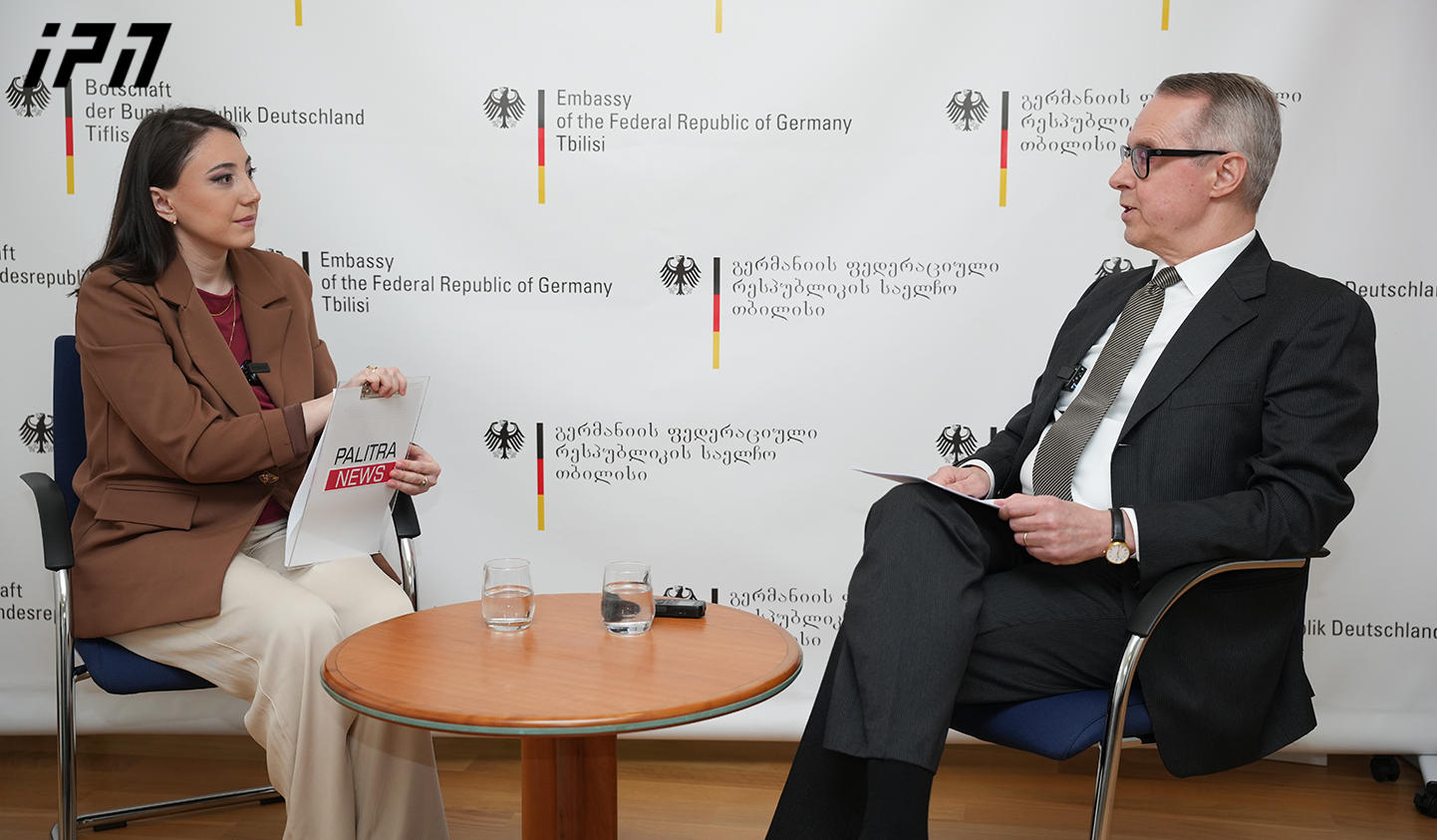
“When dealing with the civilized family, Georgia will largely be under external influence; however, our country’s fate is decided in Georgia. Levan Sanikidze has no other opinion on this – everything can be misrepresented,” said Irakli Pavlenishvili, one of the leaders of the “National Movement,” commenting on a statement by his colleague Levan Sanikidze, who had said that “the fall of Ivanishvili’s government depends 70% on external factors and 30% internally.”
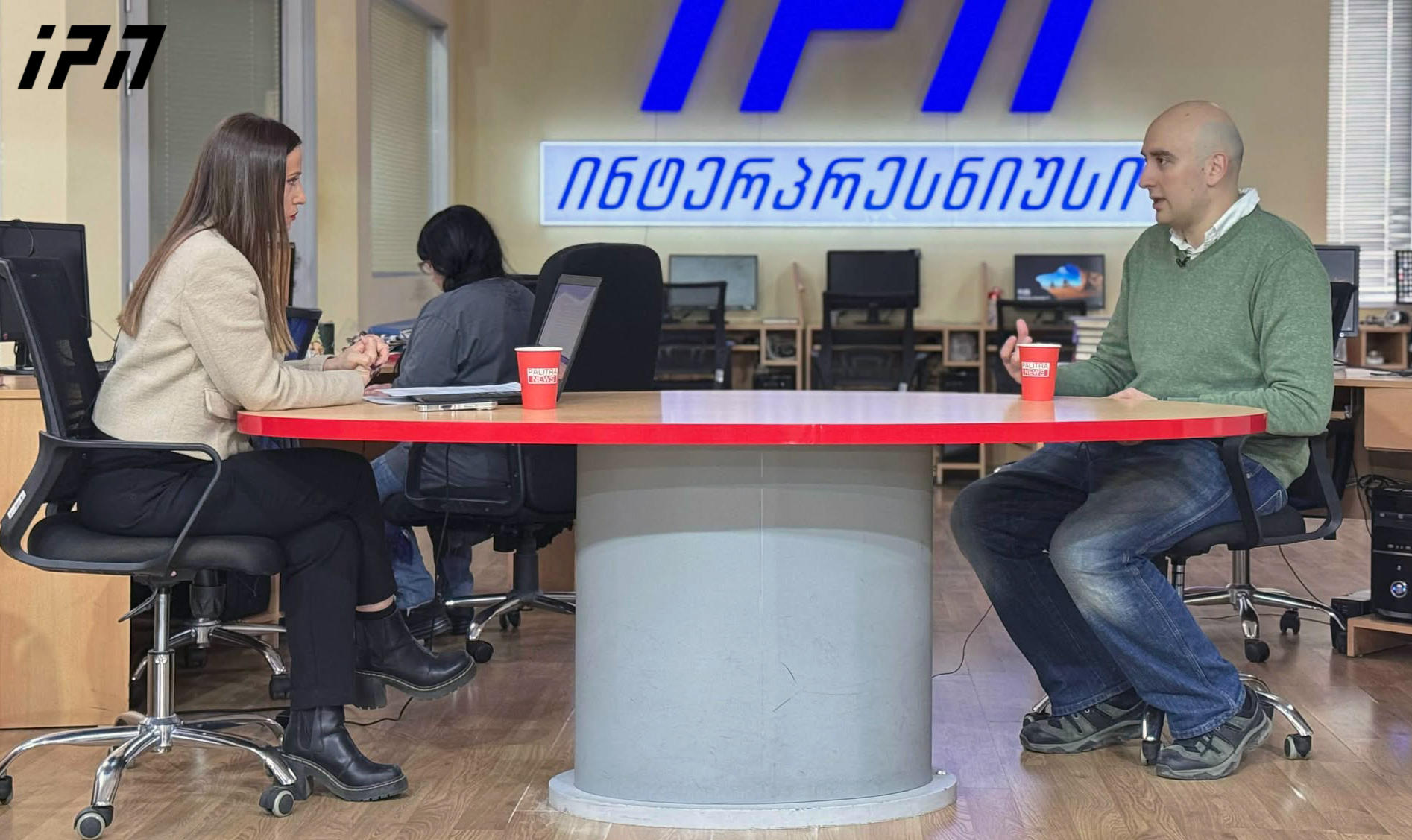
Speaking on the “Day’s Newsroom” program on PalitraNews, Pavlenishvili said: “Any statement can be taken out of context and misrepresented as if this person believes that our country’s fate is not decided in Georgia. The way ‘Georgian Dream’ and that group of the opposition, who constantly make statements against us, interpreted it, doesn’t matter if Sanikidze spoke or not – these people are daily attacking our party.
“Sanikidze’s point is very simple, and it is probably the opinion of everyone, that not only Georgia’s but all of Europe’s fate is being decided in Ukraine. If Russia gained certain benefits through its aggressive actions and the Western world did not demonstrate its resilience and strength—which I firmly believe will not happen—the outcome would be different. In this case, as Mercy [commenting] often says, Germany’s and Europe’s fate depends on how the conflict in Ukraine is resolved.
“When dealing with the civilized family and such large geopolitical processes, Georgia will largely be under influence. However, Georgia’s fate is decided in Georgia. Sanikidze has no other opinion on this. The main point of his statement was that the fate of Georgia, as well as other European countries, largely depends on what happens in Ukraine, how the conflict is resolved, and what the final outcome will be. Georgia’s own fate has always been decided by Georgians. In 2003, during the Rose Revolution, if anyone thinks that the US or any other political actor’s will and support determined the specific revolutionary process, they are greatly mistaken,” Pavlenishvili said.
Additionally, Pavlenishvili commented on the “For Georgia” faction’s initiative to create an investigative commission to examine the legality of special measures used during the dispersal of protests. He argued that “Ivanishvili will not investigate his own crimes.”
“We may calm these people [Gakharia’s party]. Just as a specific result was achieved internationally regarding June 20, the barbaric dispersal of protests in November-December will also be addressed. Regarding their activity, it appears somewhat tragicomic to the entire protest electorate. Raising the issue in Parliament to investigate the ruling party’s own crimes and establish a commission where we know what’s been happening over the past year, the laws they pass, and their attitudes… everyone knows this is completely ineffective, and Ivanishvili will not investigate his own crimes. It is impossible for a perpetrator or potential accused to investigate their own crime. We must demand the involvement of international institutions,” Pavlenishvili said.
He also commented on the statement by Mikhail Kalugin, Director of the Fourth Department of the CIS Countries at Russia’s Ministry of Foreign Affairs, that “Moscow is seriously aiming to normalize relations with Georgia.” Pavlenishvili assessed that Ivanishvili has long been moving toward normalizing relations with Russia.
“Before the elections, a statement was made that drew a significant response in Georgian society. I mean apologizing to the occupiers. Subsequent steps included the so-called ‘betrayal commission’ led by Tsulukiani, which directly attempted to blame Georgian military and political leadership for alleged violations and crimes during the August war—a harmful step by Russia. They tried to create a legal basis for Kremlin political maneuvering.
“The steps taken by ‘Georgian Dream’ left us isolated from the West, exposed to Russian power, and without a balancing factor. This policy is destructive. The intention of ‘Georgian Dream’ was normalization, but it should not happen at the expense of national interests; rather, it should be in the manner outlined in Papuashvili’s statement [recognition of Georgia’s territorial integrity and sovereignty by Russia]. Overall, the political process in the country shows that Ivanishvili’s policy toward Russia is wrong. Strategically, he tries to do everything to normalize relations with Russia. Yet Russia gives the same response. That is the problem. Whatever Kobakhidze says, it will not change Russia’s policy. Severing relations with the West in the hope that Russia may act favorably is absolute folly. Ivanishvili does this deliberately. He cannot be unaware of this. Therefore, the statements of his team are simply an echo of the fact that these people cannot fully align with Russia either. The goal of the policy toward Russia was to pass some kind of ‘burden’ onto Russia. I don’t know what that ‘burden’ would be; I do not want to predict, but it is clear that Russia does not agree with it either,” Pavlenishvili concluded.