Kakha Gogolashvili: Britain's steps are rational and concrete, while the authorities keep the population in emotional moods - "Georgian Dream" identifies Georgia with the party and presents criticism of the party as an attack on Georgia, which it was not
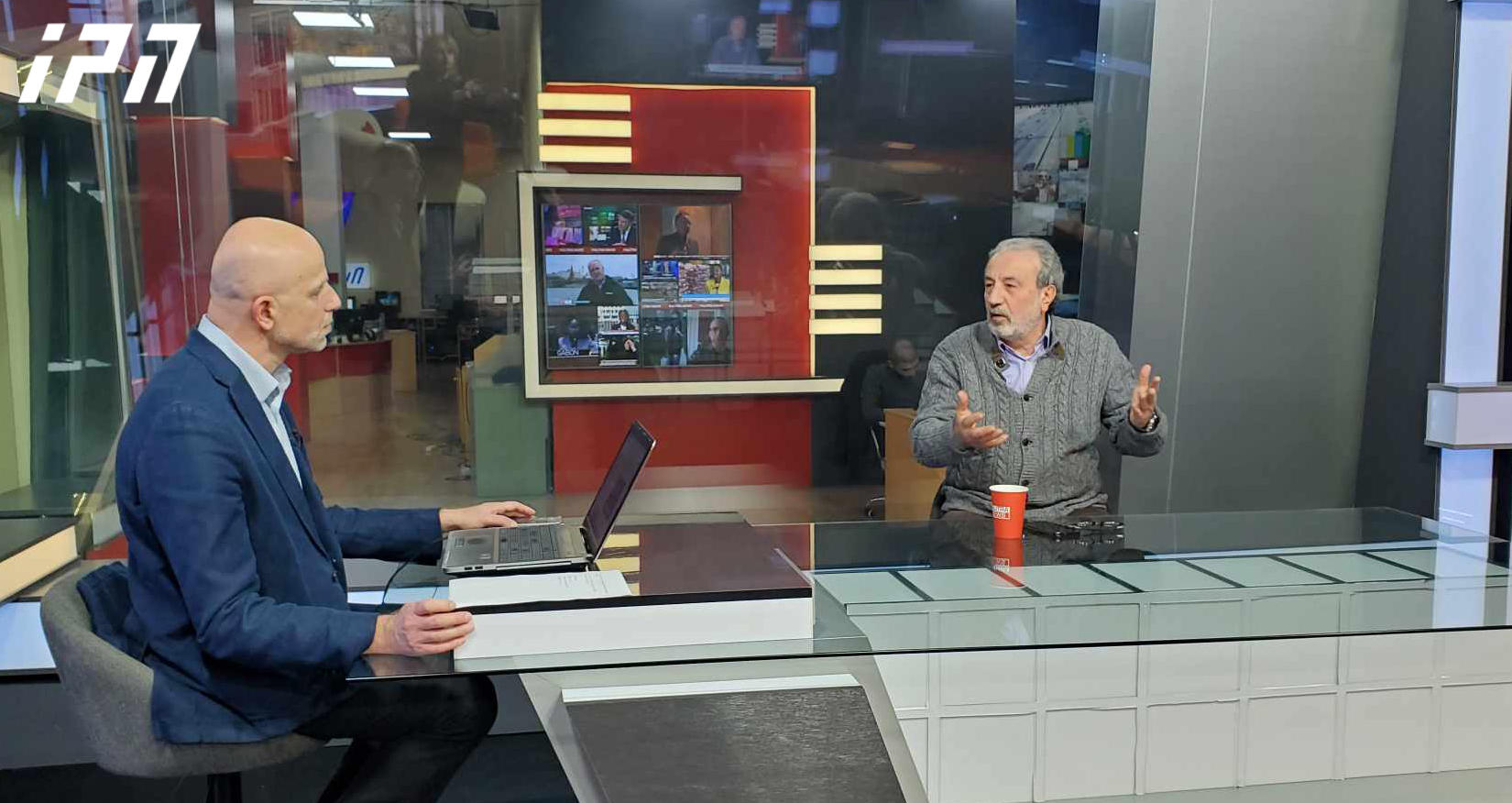
The British government considered that certain Georgian media outlets are being used to spread Russian narratives, — this was stated by Kakha Gogolashvili, director of the European Studies Center and researcher at the Rondeli Foundation, while discussing the sanctions imposed by the United Kingdom on "Imedi" and "POSTV."
As he stated on PalitraNews' program "Resume," the issue should be viewed from a security perspective, while the authorities' argumentation has long been emotional in nature and serves to shape public moods.
"We must take into account an important factor: there is a war in Europe. A war has been ignited in Europe, and there are two sides; of course, both sides are participants in a hybrid war. During war, information is used as a strategic tool, and it matters whose narratives you spread, whose positions you express and instill in society. From this perspective, you are being used as an instrument of this hybrid war. In this case, the British government considered that in the war it is engaged in, certain Georgian media outlets are being used to spread Russian narratives. This should be viewed from a security standpoint and nothing else. There is nothing emotional or discriminatory here. It is understandable that representatives of the authorities will try to give it a different color. All their arguments have long been emotional, and they keep the population in specific emotional moods. Britain's side is rational calculation and concrete steps," — states Gogolashvili.
He also states that "Georgian Dream" and its satellite organizations equate Georgia's interests with the party's interests, while presenting criticism of the party or its supporters as actions against the country.
According to Gogolashvili's assessment, the current situation is related to political narratives and not to actions directed against the state.
"In general, 'Georgian Dream' and its satellites — whether media outlets or other organizations — equate Georgia with 'Georgian Dream' and Georgia's interests with 'Georgian Dream's' interests, Georgia's positions with 'Georgian Dream's' positions. If someone attacks their supporters or 'Georgian Dream,' they present it as an attack on Georgia. This is an additional narrative, a specific message box that is instilled in the population through frequent repetition; in this case, too, we are dealing with this. There has been no attack on Georgia whatsoever. Restrictions have been imposed on specific organizations — in this case, media organizations — which cannot even be considered an attack," — states Gogolashvili.
He also says that before the decision to impose sanctions, there was likely intense diplomatic communication, indicating that the issue had been discussed in advance.
"Sanctions on government media outlets are, of course, a scandal between two countries. Of course, it casts a shadow on relations. Couldn't this have been avoided? The same ambassador could have been summoned earlier to clarify what claims Britain had. The ambassador is summoned only after the sanctions are imposed. However, the ambassador must have had communication. Britain is the most prominent state in diplomacy. If Britain does something openly, 90% of it is done through diplomatic channels. Britain resolves major problems through diplomacy. So, from Britain's side, there must have been a lot of groundwork with the Georgian government," — stated Gogolashvili.