Kaja Kallas and Marta Kos: The new legislation imposes a broad system of state control over political activity in the country - the authorities are moving further away from the goal enshrined in the Constitution regarding EU membership
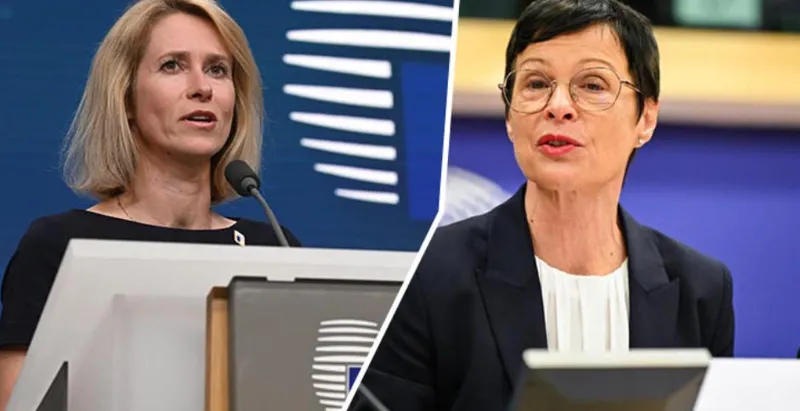
The adoption by the Georgian Parliament on March 4 of the legislative package on foreign funding and political activity is part of the Georgian authorities' systematic efforts aimed at restricting the country's democratic and civic space, - this is stated in a joint declaration issued by the EU High Representative and Vice-President of the European Commission Kaja Kallas and the Commissioner for Enlargement Marta Kos.
The statement, disseminated by the EU Delegation to Georgia, notes that only the name of the EU candidate country remains for Georgia.
“The new legislation imposes a broad system of state control over political activity in the country. It introduces potential criminal liability for individuals or organizations receiving support from foreign sources. Its vague provisions create serious legal uncertainty and significant risks of arbitrary and selective enforcement.
By adopting this legislative package, the Georgian authorities are further disregarding their own international obligations related to the protection of human rights, the obligations undertaken under the Association Agreement between the EU and Georgia, and are moving further away from the goal of EU membership enshrined in Georgia's Constitution. This adds to the actions already taken by the Georgian authorities, which have led to the unjust detention of politicians, journalists, and activists; they must be released immediately.
The actions of the Georgian authorities will have consequences. For example, today, in response to the deliberate and continued violation by Georgia of key commitments in the areas of democracy and fundamental rights under the visa-free regime, the Commission is suspending visa-free travel for holders of diplomatic, service, or official passports under the renewed visa suspension mechanism.
In this context, it is important to recall the depth and essence of the cooperation that has developed between the EU and Georgia over the years. The EU and its member states have consistently demonstrated their commitment to Georgia's prosperity and stability and have provided reliable support to the country in critical moments, including through the EU Monitoring Mission in Georgia since 2008.
The EU stood by Georgia during economic crises and provided financial assistance. After Russia imposed restrictions on Georgian exports, the EU expanded trade opportunities for Georgian producers. Unlike holders of diplomatic, service, or official passports, Georgian citizens can travel visa-free to the EU. The EU offers hundreds of scholarships to Georgian youth. The EU's support for Georgia's security, territorial integrity, and sovereignty within its internationally recognized borders remains unwavering. We opened the door for Georgia to join the EU family by granting candidate status in 2023. The EU will continue to stand ready to support the Georgian people on their European path.
The Georgian authorities are placing this long-standing partnership in serious jeopardy and, unfortunately, are moving Georgia further away from the EU path, from the goal supported by the overwhelming majority of Georgia's population. At this stage, with deep regret, we note that only the name of an EU candidate country remains for Georgia,” - the statement reads.