GYLA files third complaint to European Court of Human Rights on behalf of Mzia Amaglobeli
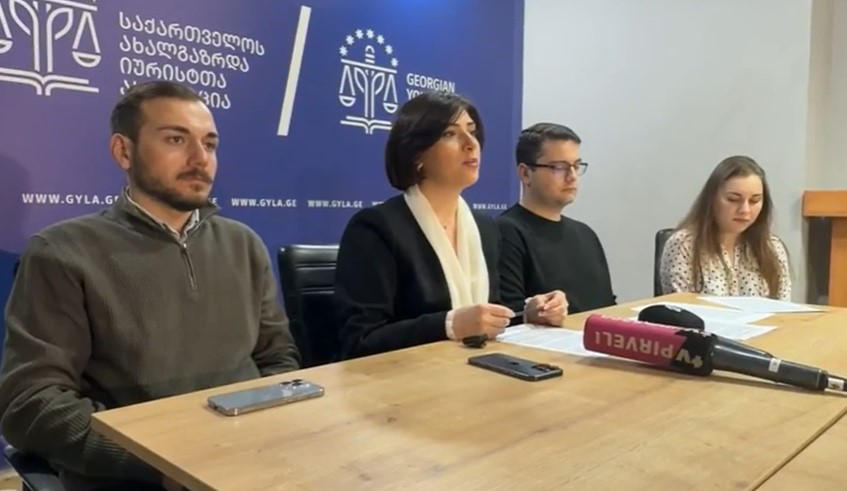
The Georgian Young Lawyers Association (GYLA) has filed a third complaint with the European Court of Human Rights on behalf of Mzia Amaglobeli, which, according to the organization, concerns ill-treatment committed on January 12, 2025.
According to the Association, the Strasbourg court is already considering 2 cases involving Mzia Amaglobeli.
“The first case concerns the illegal use of pre-trial detention against Mzia, where GYLA has already submitted a written response to the state’s position, and the complaint in the second case, which is related to the administrative detention of Mzia Amaglobeli and related violations, has already been registered by the European Court.
On January 12, 2025, at approximately 1:00 am, the police illegally and violently detained Mzia Amaglobeli at the entrance to the Adjara Police Department, as a result of which she suffered physical injuries. When she was taken into the yard of the police department, the head of the Batumi police, Irakli Dgebuadze, verbally abused her, cursed her and threatened to “smear her with blood.” He also attempted to physically assault Mzia Amaglobeli in the yard of the police department, but was restrained by his own officers. The ill-treatment of Mzia Amaglobeli continued at the police department. In addition, Mzia Amaglobeli was denied access to a lawyer for several hours, searched without the presence of her lawyers, and handcuffed behind her back for humiliation, despite the fact that there was no need for this.
In the above-mentioned complaint submitted to the European Court of Human Rights, GYLA argues that the fundamental rights provided for by the Convention were violated against Mzia Amaglobeli: the substantive part of Article 3 (prohibition of torture, inhuman and degrading treatment) in conjunction with Article 14 (prohibition of discrimination), the procedural part of Article 3 (prohibition of ineffective investigation), Article 8 (right to protection of private life), in conjunction with Article 14 (prohibition of discrimination), Article 13 (right to an effective remedy) in conjunction with Article 3”, reads the statement released by the organization.
GYLA continues to defend Mzia Amaglobeli’s rights in the European Court and will provide the public with relevant updated information from time to time.